The fusion of control, chaos, and calculated artistry on asphalt Wheeled Fury — only at SpeedsRun Online.
The Birth of a Drift Dynasty
The phenomenon known as “drifting” wasn’t born in laboratories or racing boardrooms — it erupted on winding mountain roads of Japan. Drifting evolved from underground races into a globally recognized motorsport, celebrated for its skill and showmanship. The essence of 4-wheeled fury lies not just in speed, but in precision — a driver’s ability to dance with danger while maintaining graceful control.
The Formula of Controlled Chaos
To drift is to deliberately push traction to its limit. The driver countersteers, balances throttle, and manipulates momentum through corners. It’s an elegant rebellion — an art form that thrives at the edge of mechanical grip and human instinct. Learn the science of this craft through Car and Driver’s technical breakdown.
Iconic Drift Machines: Legends of Smoke and Steel
From the Nissan Silvia S15 to the Toyota AE86 immortalized in Initial D, drift cars are built for balance. Tuned suspensions, lightweight chassis, and rear-wheel drive layouts make these machines drift dynamos. Our own SpeedsRun Garage showcases builds inspired by these legendary vehicles.
Drift Technique: The Handbrake Symphony
The heart of drifting lies in technique. From clutch kicking to power oversteer, every maneuver is a symphony of timing. Skilled drifters rely on instinct as much as engineering. Explore Drifted.com for tutorials, tire setup advice, and gear recommendations.
Global Drift Arenas: Where Asphalt Meets Adrenaline
The art of drift has evolved from hidden mountain roads to global circuits like Ebisu (Japan), Long Beach (USA), and Silverstone (UK). These tracks are the proving grounds where man and machine become one in tire smoke and precision.
https://www.google.com/maps/d/u/0/embed?mid=1cGVrPQquzQk8BDj5SGwF7QbZxBvBaL4&ehbc=2E312F
The Psychology of Precision
Every drift run begins in the mind. Elite drivers enter a state of focus often described as “flow” — total immersion in motion. Psychology Today explores how athletes achieve this level of heightened concentration under pressure.
Culture, Style, and the Drift Identity
Drifting isn’t just sport — it’s culture. From streetwear brands to music and visual aesthetics, drift culture thrives as a fusion of rebellion and artistry. Explore related lifestyle content at SpeedsRun Culture and see how style meets performance.
The Future of Drift Engineering
The next generation of drift cars blends electric torque with mechanical control. Brands like Top Gear highlight innovations in EV drift prototypes and AI stability systems, hinting at a new era of power slides powered by clean energy.
Where to Experience Drift Events
For those seeking firsthand exposure, global drift events like Formula Drift USA, D1GP Japan, and European Drift Masters offer thrilling experiences. Visit our Event Directory to find upcoming local and international competitions.
© 2025 SpeedsRun Online | Powered by Velocity & Vision
Follow us on Instagram • YouTube • X
The Silent Language of Tire Smoke
Tire smoke isn’t just spectacle — it’s a visual signature of control. Every cloud of burnt rubber tells a story: entry speed, throttle angle, surface friction. Professional drifters learn to read smoke like language, understanding when grip is fading or when tires are at their limit. The thick white haze, when perfectly balanced, becomes a painter’s brushstroke on asphalt.
Symmetry and Balance: The Geometry of Drift
Behind every beautiful drift lies geometry — camber, toe, and caster adjustments choreographed in harmony. Suspension tuning defines how a car pivots around its axis. Too much camber creates oversteer instability; too little dulls response. Teams like Formula Drift emphasize that setup precision separates amateurs from masters.
Beyond Speed: The Philosophy of the Slide
True drifters chase not lap times, but moments of balance between chaos and control. Drifting is a philosophy of defiance — a belief that perfection comes not from control alone, but from the ability to let go just enough. This is why “4-wheeled fury” is often described as ballet for machines.
The Masters of Motion: Drift Legends
Icons like Keiichi Tsuchiya, Vaughn Gittin Jr., and Daigo Saito didn’t just drive — they redefined vehicle dynamics. Their runs are studied worldwide, frame by frame, by new generations of enthusiasts. Learn about these legends on Wikipedia and through Red Bull Drift Culture.
Precision Under Pressure: The Role of Reflex
Drift driving engages every human reflex. Steering inputs happen in milliseconds — muscle memory and instinct taking precedence over thought. Drivers train through repetitive slide control drills, conditioning reactions that can respond faster than conscious calculation.
The Pulse of the Crowd
Unlike time-trial racing, drifting thrives on human energy. The roar of fans amplifies adrenaline, pushing drivers to attempt tighter entries, longer slides, and bolder transitions. The synergy between audience and driver is electric — a reminder that drifting is as much performance art as motorsport.
Soundtracks of Speed
The soundtrack of drift — turbo whistles, rev limiters, and backfire pops — is pure automotive symphony. Modern events use synchronized sound analysis to study rhythm and throttle patterns, offering spectators a visceral auditory experience.
Global Drift Academies: Where It All Begins
Around the world, academies like the JDM Allstars Drift School and Drift Experience UK offer training for newcomers. These institutions blend technical theory with on-track coaching to instill safe, calculated control.
The Technology Behind the Torque
Modern drift vehicles integrate telemetry, tire temperature sensors, and throttle modulation systems to optimize performance. Even electric drifters now use software-tuned torque vectoring to simulate analog power delivery. Read about this evolution on MotorTrend.
Designing a Drift Track
A drift track is an ecosystem of corners, clipping points, and elevation. Each section tests driver discipline — too aggressive, and you lose line; too safe, and the drift dies. Track designers aim for rhythm, ensuring cars dance across apexes like choreographed chaos.
Digital Drift: The Rise of Sim Racers
Simulators like Assetto Corsa and CarX Drift Racing have built a new wave of virtual drift masters. Many of today’s pro drifters started in gaming rigs, proving that precision can be learned both digitally and physically.
The Aesthetics of Angle
In drifting, beauty lies in the angle. The best drivers sustain wide arcs with unwavering stability — a visual representation of confidence and control. Judges score style and fluidity as highly as technical accuracy.
The Physics of Fury
Drifting is pure applied physics: inertia, friction, centripetal force, and vector manipulation. Understanding these forces allows drivers to exploit weight transfer, creating seamless transitions through corners.
Drifting and Sustainability
As motorsport evolves, drifting explores green innovation — biodegradable tire compounds, synthetic fuels, and electric conversions. Organizations like FIA are encouraging drift formats with environmental responsibility.
Visual Storytelling in Drift Photography
Drift photography captures chaos in clarity — tires smoking, headlights slicing fog, motion frozen mid-angle. Photographers position themselves at corner exits, anticipating the moment art meets aggression.
From Street to Stadium
What began in Japan’s mountain passes has now filled grandstands worldwide. Modern drift arenas feature grand architecture, advanced safety tech, and even augmented reality scoring systems.
Women of the Drift World
Female drifters like Becky Evans and Sayaka Shimoda are reshaping motorsport culture. They embody precision, grace, and technical expertise, proving that mastery transcends gender.
The Role of Tires: Grip and Glory
Tire selection is everything. Compounds, tread design, and temperature behavior define the limits of performance. Drift teams often experiment with pressure ratios and compounds for balance between durability and smoke output.
Drift Evolution in Pop Culture
From The Fast and the Furious: Tokyo Drift to anime and gaming, drift culture has become a global aesthetic. It represents style, rebellion, and precision — a lifestyle of artistry on wheels.
Engineering for Endurance
A drift car’s life isn’t about longevity, but about surviving bursts of fury. Reinforced drivetrains, hydraulic handbrakes, and differential cooling systems ensure mechanical resilience under extreme load.
The Global Drift Community
From Poland to New Zealand, communities connect through shared obsession with sliding perfection. Forums like Reddit’s r/Drifting keep this culture alive with daily discussions, setups, and event highlights.
Adrenaline and Aftermath
After every run comes silence — a moment where drivers reflect on performance, replaying every flick of the steering wheel in their minds. This decompression is essential to maintain mental clarity and emotional control.
The Art of Car Control
Drift mastery represents the ultimate form of vehicle control. Where grip drivers rely on traction, drifters thrive in its absence — balancing physics, instinct, and experience in perfect synchrony.
The Spirit of Drift: A Cultural Constant
No matter how technology advances, the spirit of drift will remain unchanged — courage, creativity, and chaos, balanced on the knife-edge of mastery. It’s not just a motorsport; it’s a declaration of freedom on four wheels.
The Unseen Mechanics Beneath the Drift
Beneath every drift lies a symphony of mechanical coordination. Differential gears split torque distribution, suspension geometry adjusts for chassis roll, and steering racks are modified to achieve maximum lock. Each component contributes to that perfect, smoky slide. The balance is fragile — too stiff a spring and control is lost, too soft and precision fades. It’s a constant calibration of chaos engineered into beauty.
The Evolution of the Handbrake
What was once a simple parking mechanism is now a driver’s sword in battle. The hydraulic handbrake evolved from necessity into a precision instrument of control, capable of initiating drifts mid-turn with fingertip finesse. Modern hydraulic systems use adjustable bias valves, allowing drivers to fine-tune brake pressure for surface and tire conditions. Entire competitions hinge on how delicately that lever is pulled.
Drift Dynasties Across the Continents
From Japan’s mountain passes to America’s city circuits, drifting transcends geography. Nations have built their own interpretations — Japan refined the art, Europe emphasized speed, and the Middle East elevated it with desert events. Each region injects its identity, creating a tapestry of styles unified by smoke and precision. Learn about global circuits via RacingCircuits.info.
The Science of Weight Transfer
The physics of drifting depend entirely on weight transfer — the moment when mass shifts from one corner of the car to another. It’s this dance of momentum that enables control through instability. Expert drifters time this transfer through steering, braking, and throttle synchronization so perfectly that the car’s inertia becomes a controllable force rather than a threat.
The Drift Economy: Smoke, Sponsorships, and Social Reach
Drifting isn’t just competition — it’s an economy. Sponsorships, tire manufacturers, content creators, and live event platforms all orbit around this high-octane ecosystem. With platforms like Hoonigan, drifters become global influencers, monetizing every burnout through viewership and partnerships. The smoke may fade, but the digital footprint endures.
The Role of Artificial Intelligence in Drift Training
Artificial intelligence now simulates real-world drift physics, analyzing telemetry to identify inefficiencies in human driving. AI-driven software predicts optimal angles, entry speeds, and throttle application. Systems like Toyota’s GR development lab use machine learning to test digital drifters before human trials — a new frontier of precision.
Drifting at Night: The Neon Frontier
Under floodlights or neon street signs, drifting becomes something more than sport — it becomes cinematic. Night drifting amplifies danger; depth perception fades and instinct rules. The spectacle of glowing brake rotors and reflective tire smoke makes these events mesmerizing to both driver and spectator alike.
The Engineering of Smoke: Tire Chemistry
Tire smoke isn’t accidental — it’s engineered. Manufacturers like Falken Tires and Toyo Tires experiment with compounds that create distinct smoke colors and densities for better visual appeal during events. These innovations turn science into performance art.
Adapting to Weather: The Drift in the Rain
Rain transforms a drift track into a slick, unpredictable dance floor. While traction vanishes, control becomes art. Drifting in wet conditions demands feather-light throttle work and deep understanding of tire feedback — a skill only the most fearless drivers master.
The Economic Accessibility of Drifting
Contrary to popular belief, drifting can be surprisingly accessible. Many grassroots events allow entry with stock cars, providing drivers a platform to learn without high-end builds. Clubs such as Drift Club USA promote low-cost participation and mentorship programs.
Custom Livery and Drift Identity
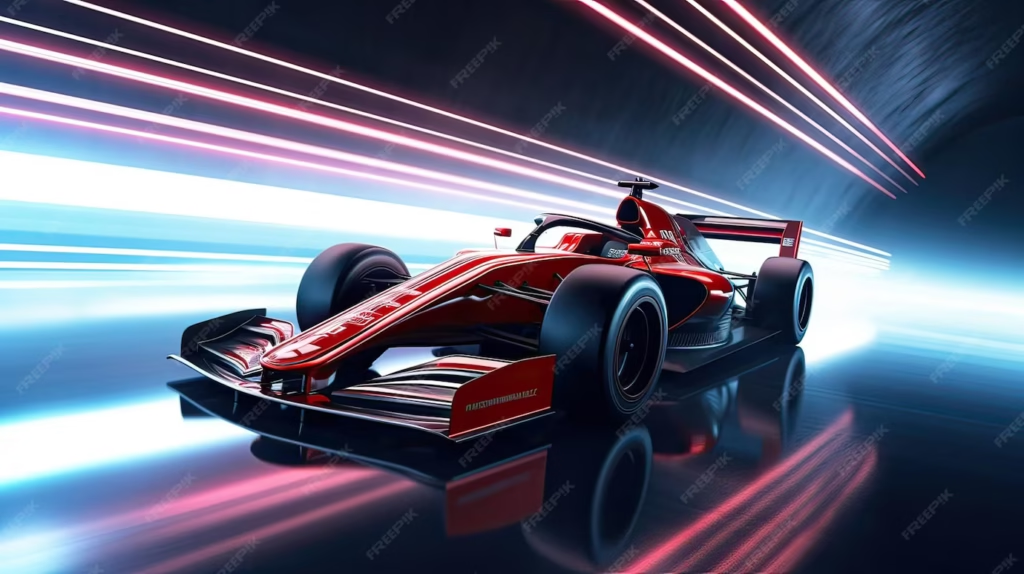
Livery design has evolved into an art form. Each wrap tells a story — sponsors, heritage, or personal flair. Digital render tools like LiveryLab let teams visualize their aesthetic before it ever hits the asphalt.
Human Endurance in the Drift Cockpit
The strain on a drift driver’s body is immense. G-forces pull at muscles, heat builds inside cockpits, and concentration must stay razor-sharp. Many athletes follow endurance training and cognitive focus routines akin to fighter pilots, conditioning both body and mind for performance under pressure.
The Future of Drift Electric
Electric drift cars are rewriting the rulebook. Their instant torque, low centers of gravity, and regenerative systems introduce new dimensions to slide dynamics. Manufacturers like Nissan and Porsche experiment with EV prototypes that deliver silent, tire-shredding power.
Sound and Fury: The Acoustics of Power
Every drift run carries its own rhythm — the crescendo of turbo spools, the sharp staccato of limiter hits, the basso growl of downshifts. Engineers now use acoustic profiling to shape how drift cars sound, giving each build a sonic signature that matches its driver’s persona.
Drifting as a Spectator Sport
What makes drifting mesmerizing isn’t just motion — it’s the unpredictability. Spectators come for the suspense of control on the edge. Cameras and drones now track car angles in real-time, enhancing viewer immersion for digital broadcasts.
Mechanical Failures and Comebacks
In drifting, mechanical breakdowns are inevitable. Blown turbos, snapped axles, or clutch explosions are part of the price for pushing limits. Yet, the greatest moments often come from the comebacks — the rebuilds and resilience that define a true drift dynasty.
Team Dynamics and Pit Precision
Drift teams are well-orchestrated crews. While the driver battles on track, technicians in the pit monitor tire pressure, temperatures, and telemetry in real time. Communication must be instant — every second off the pace could spell defeat.
The Economics of Tire Burn
In pro circuits, tire budgets are as vital as horsepower. Some teams go through dozens of tires per weekend, making sponsorships with manufacturers like Nitto essential for sustainability. Tire management becomes as tactical as throttle control.
The Drift Lifestyle: More Than Motorsport
To live the drift life is to embrace late nights in garages, camaraderie on road trips, and the smell of burning rubber as poetry. Drifting is a culture of constant pursuit — a lifestyle built on risk, rhythm, and relentless motion.
The Aerial Perspective: Drones in Drift Filming
Drone cinematography has transformed how drifting is captured. High-speed FPV drones chase cars mid-drift, revealing angles once impossible to film. Entire visual experiences are crafted through these flying cameras, merging art with velocity.
Safety in the Smoke
Modern drift events prioritize safety with advanced barriers, roll cages, and FIA-approved fire systems. The sport has matured — what began as chaos is now guided by discipline, ensuring drivers can explore danger without courting disaster.
Fans and Family: The Drift Brotherhood
Drift culture isn’t competitive hostility; it’s mutual respect. Drivers share tools, advice, and passion. The community thrives because it’s bound by admiration for skill — not rivalry alone.
Legacy of the Drift Pioneers
Every burnout honors the legends who came before. From illegal touge runs in Japan’s mountains to world-stage arenas, pioneers built the foundation of this culture with grit, not glamour. Their influence shapes every slide today.
Artistry in Chaos: The Essence of Drift
In the end, drifting is organized madness — art carved into motion, logic suspended by momentum. It’s the ultimate expression of freedom and control sharing the same moment. And for those who live it, nothing compares to the sensation of four-wheeled fury in harmony with human instinct.
Frequently Asked Questions About 4-Wheeled Fury
What does the term “Wheeled Fury” mean in motorsport culture?
“Wheeled Fury” represents the raw passion and mechanical aggression behind high-speed drifting and racing. It symbolizes cars pushed to their mechanical limits — a perfect harmony of chaos and control. Learn more about this culture on SpeedsRun Online.
Which vehicles best embody the spirit of Wheeled Fury?
Icons like the Toyota GR Supra, Nissan Z, and Ford Mustang GT are celebrated as the ultimate machines of Wheeled Fury thanks to their drift-ready balance and explosive torque.
Where did the Wheeled Fury drift culture originate?
The roots of Wheeled Fury trace back to 1970s Japan, when racers like Keiichi Tsuchiya began perfecting controlled slides on mountain passes — giving birth to the modern drift scene. Learn more from MotorTrend.
Is Wheeled Fury only about drifting?
Not at all — while drifting is central, Wheeled Fury extends to track racing, time attack, and even gymkhana events. It’s a mindset of precision and passion, not just a specific technique.
How can beginners experience Wheeled Fury safely?
Many local drift schools and racetracks offer beginner-friendly courses. Sites like Drift Limits and Formula Drift provide safe, structured environments to unleash Wheeled Fury without risking public safety.
What’s the role of tires in controlling Wheeled Fury?
Tires are the foundation of every controlled slide. The right compound determines traction, drift angle, and smoke density. Brands like Falken and Toyo Tires engineer special drift compounds for sustained Wheeled Fury.
Can electric vehicles deliver true Wheeled Fury?
Absolutely. Electric vehicles such as the Porsche Taycan and Tesla Model S Plaid achieve instant torque, making them capable of electric Wheeled Fury with zero lag. Why do professional drifters chase Wheeled Fury?
For professionals, Wheeled Fury is the purest form of skill expression — combining balance, timing, and courage. The allure is not just victory but the art of control amid chaos.
What are the physical demands of driving in a Wheeled Fury event?
Drivers endure intense G-forces, heat, and concentration fatigue. Maintaining focus through each turn requires the same physical conditioning as endurance athletes.
Which famous tracks are known for testing Wheeled Fury?
Circuits like Suzuka, Nürburgring, and Fuji Speedway are legendary arenas where true Wheeled Fury is both tested and proven.
What kind of engines create the most Wheeled Fury?
High-revving turbocharged inline-six and V8 engines dominate the drift scene, producing explosive powerbands and throttle precision. Check out the Jay Leno’s Garage archives for famous examples.
Is Wheeled Fury sustainable for the future of motorsport?
Sustainability is evolving through biofuels, hybrid engines, and EV drifting initiatives, ensuring Wheeled Fury adapts to a cleaner future. Learn more from FIA’s green racing programs.
Can women drivers excel in the world of Wheeled Fury?
Absolutely. Drivers like Leah Pruett and Emma Gilmour are redefining what Wheeled Fury means — proving talent has no gender.
What safety measures define modern Wheeled Fury events?
FIA-approved roll cages, fire suppression systems, and regulated run-offs keep the intensity of Wheeled Fury within safe limits. Organizers prioritize precision as much as protection.
Are there simulation games that capture Wheeled Fury?
Yes — simulators like Assetto Corsa and Steam’s drift mods replicate Wheeled Fury physics with incredible realism.
How do car setups influence Wheeled Fury performance?
Suspension tuning, camber angles, and gear ratios define how effectively a car can sustain Wheeled Fury. The ideal setup balances power delivery with steering response.
What is the psychological rush behind Wheeled Fury?
Drivers often describe entering a flow state — pure focus and adrenaline where instinct overrides thought. That rush is the addictive essence of Wheeled Fury.
Which global events celebrate Wheeled Fury annually?
Events like Formula Drift, Red Bull Drift Shifters, and SpeedsRun Grand Circuit attract thousands of fans to witness Wheeled Fury in motion.
How do drivers train for consistent Wheeled Fury?
They rely on data logging, seat time, and mental conditioning. Professional simulators analyze corner entry angles and throttle mapping to perfect the art of Wheeled Fury.
Can Wheeled Fury exist on public roads?
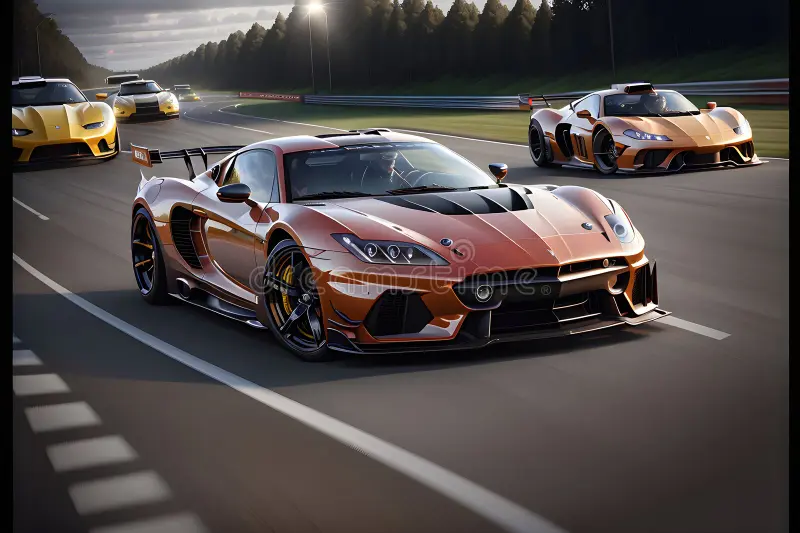
No — true Wheeled Fury belongs on controlled tracks or drift arenas. Street drifting endangers lives and undermines the sport’s legitimacy. Always keep it track-legal.
What role does aerodynamics play in Wheeled Fury control?
Aerodynamic balance stabilizes high-speed slides. Rear wings and diffusers generate downforce, maintaining traction even when cars move sideways in a Wheeled Fury run.
Who are the most famous champions of Wheeled Fury?
Legends like Daigo Saito, Vaughn Gittin Jr., and Chris Forsberg define modern Wheeled Fury with unmatched precision.
What kind of fuel is used in Wheeled Fury competitions?
Most cars use high-octane race fuel or E85 ethanol blends for consistent combustion and torque delivery. These fuels sustain the relentless demands of Wheeled Fury.
How has social media changed the perception of Wheeled Fury?
Platforms like Instagram and YouTube have turned Wheeled Fury into a visual movement, connecting millions of fans to drift culture worldwide.
Can autonomous vehicles ever achieve Wheeled Fury?
Experimental AI projects by Toyota AI Ventures show potential, but true Wheeled Fury demands human instinct — something machines can’t replicate yet.
What legacy will Wheeled Fury leave in the future of motorsport?
Wheeled Fury will always stand as the intersection of art, adrenaline, and innovation — a reminder that driving is not just transport but transcendence. Explore more at SpeedsRun Online.