Touring cars represent one of the most exciting and competitive forms of motorsport in the world. Built on production vehicle platforms but heavily modified for racing, combine speed, strategy, and spectacle.

In this comprehensive guide, you’ll learn:
- What are
- history and evolution
- Major championships worldwide
- Technology & performance
- Famous drivers and races
- How to get involved
- FAQs for enthusiasts
high-performance production vehicles modified for circuit racing.
At their core, they are based on “touring” or everyday passenger car models, making them more relatable and fan-friendly.
👇 Key Characteristics
- Production-based bodies – similar in shape to road cars
- Modified engines – tuned for racing output
- Enhanced safety – roll cages, fire suppression systems
- Race-grade suspension & brakes
- Two-door and four-door variants
👉 Touring cars blend performance and accessibility, which makes them a favorite among motorsport fans and engineers alike.
2. A Short History of Touring Car Racing
Touring car racing has roots that stretch back to the early 20th century. As automobile ownership grew, so did interest in testing these cars in competition.Touring Cars vs. GT Cars: A Detailed Motorsport Comparison
Touring cars and GT cars may look similar at first glance—both are based on production vehicles, both race on closed circuits, and both deliver door-to-door action. But beneath the surface, they are fundamentally different philosophies of racing.
This detailed comparison breaks down every major difference: design, performance, cost, race format, technology, and fan experience.
1. Vehicle Origin & Philosophy
Touring Cars
Touring cars originate from mass-market passenger vehicles such as sedans and hatchbacks. Think of cars like the Honda Civic, BMW 3 Series, or Hyundai Elantra.
The core idea is:
“Race what people drive.”
They are meant to be relatable, affordable (relative to GT), and competitive through regulation.
Key Philosophy:
- Accessibility
- Close racing
- Cost control
- Driver skill over raw power
GT Cars
GT (Grand Touring) cars are based on high-performance sports and supercars, such as the Ferrari 488, Porsche 911, Mercedes-AMG GT, or Lamborghini Huracán.
GT racing exists to showcase:
“The fastest road-legal performance cars.”
Key Philosophy:
- Prestige
- Manufacturer branding
- High performance
- Endurance capability
2. Chassis & Construction
Touring Cars
- Modified production monocoque chassis
- Reinforced with roll cages
- Limited body changes
- Steel body panels common
- Strict homologation rules
Touring cars retain much of the original road car structure, making them heavier and less aerodynamically extreme.
GT Cars
- Purpose-built race chassis (often tube frame or carbon tubs)
- Carbon fiber body panels
- Advanced crash structures
- Much lighter construction
GT cars may look like road cars, but structurally, they are full race cars wearing a road-car shell.
3. Engine & Performance
Touring Cars
- Typically 4-cylinder turbo engines
- Power output: 300–350 hp
- Front-wheel drive or rear-wheel drive
- Emphasis on torque and drivability
GT Cars
- V8, V10, or flat-six engines
- Power output: 500–650+ hp
- Rear-wheel drive only
- Optimized for sustained high-speed racing
Performance Comparison
| Metric | Touring Cars | GT Cars |
|---|---|---|
| Horsepower | 300–350 hp | 500–650+ hp |
| Top Speed | ~260 km/h | ~300+ km/h |
| Acceleration | Moderate | Extreme |
| Tire Size | Narrower | Much wider |
4. Aerodynamics
Touring Cars
- Small rear wings
- Limited front splitters
- Minimal diffusers
- Aero designed for stability, not downforce
Close racing is possible because dirty air has less impact.
GT Cars
- Massive rear wings
- Complex diffusers
- Flat floors
- High downforce packages
GT cars rely heavily on hero grip, especially in high-speed corners.
5. Race Formats
Touring Car Racing
- Short sprint races (20–40 minutes)
- Multiple races per weekend
- Often standing starts
- Minimal pit strategy
- Intense door-to-door contact allowed
GT Racing
Tire and fuel strategy critical
Sprint races (60–90 minutes)
Endurance races (3, 6, 12, 24 hours)
Mandatory pit stops
Driver changes
🏁 Early Beginnings
The first organized touring car races appeared in the 1920s and 1930s across Europe and North America, often on public roads before permanent circuits were built.
🇬🇧 British Touring Car Championship (BTCC)
Formed in 1958, the BTCC is one of the oldest and most prestigious touring car series in the world. It helped lay the foundation for standardized technical regulations and widespread manufacturer involvement. Over the decades, BTCC cars evolved from near-stock vehicles to highly sophisticated racing machines.
🌏 Global Expansion
Other major touring car championships include:
- DTM (Deutsche Tourenwagen Masters) – Germany’s premier series
- Supercars Championship – Australia’s top-level touring car series
- TCR Series – international touring car competition with cost-controlled regulations
Touring cars are now raced on legendary circuits such as Silverstone, Spa-Francorchamps, Bathurst, and Monza.
👉 For official BITCH details, visit the BITCH official site:
3. Touring Cars vs. Other Race Cars
Understanding touring cars is easiest when compared to other motorsport categories:
| Feature | Touring Cars | Formula Cars | GT Cars |
|---|---|---|---|
| Based on production models | ✅ | ❌ | ✅ |
| Open wheel | ❌ | ✅ | ❌ |
| Doors and full body panels | ✅ | ❌ | ✅ |
| Race weekend formats | Sprint | Sprint/Feature | Sprint/Endurance |
Touring vs. GT
Though both derive from production cars, GT cars (like those in FIA GT3) tend to be more exotic, with greater performance ceilings and often two-door sports car origins. Touring cars usually race sedans and hatchbacks.
4. Major Touring Car Championships
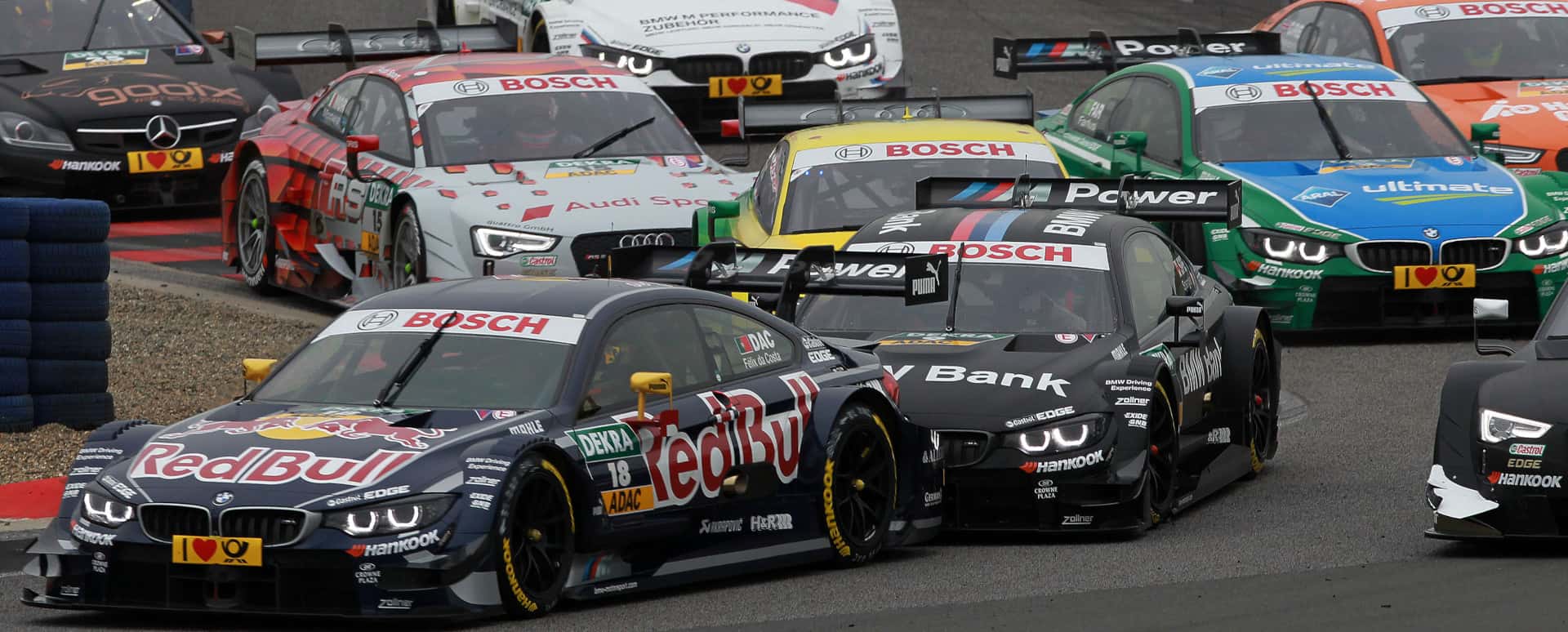
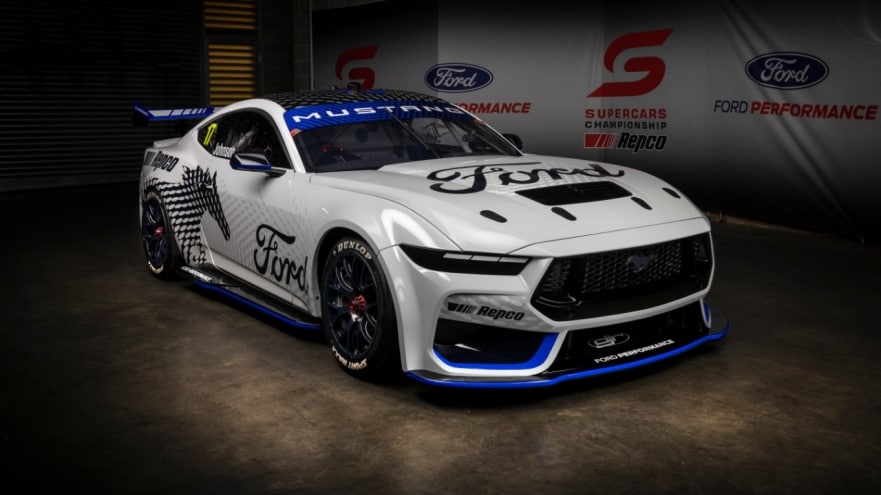
Let’s explore the top series where touring car action shines.
4.1 British Touring Car Championship (BTCC)
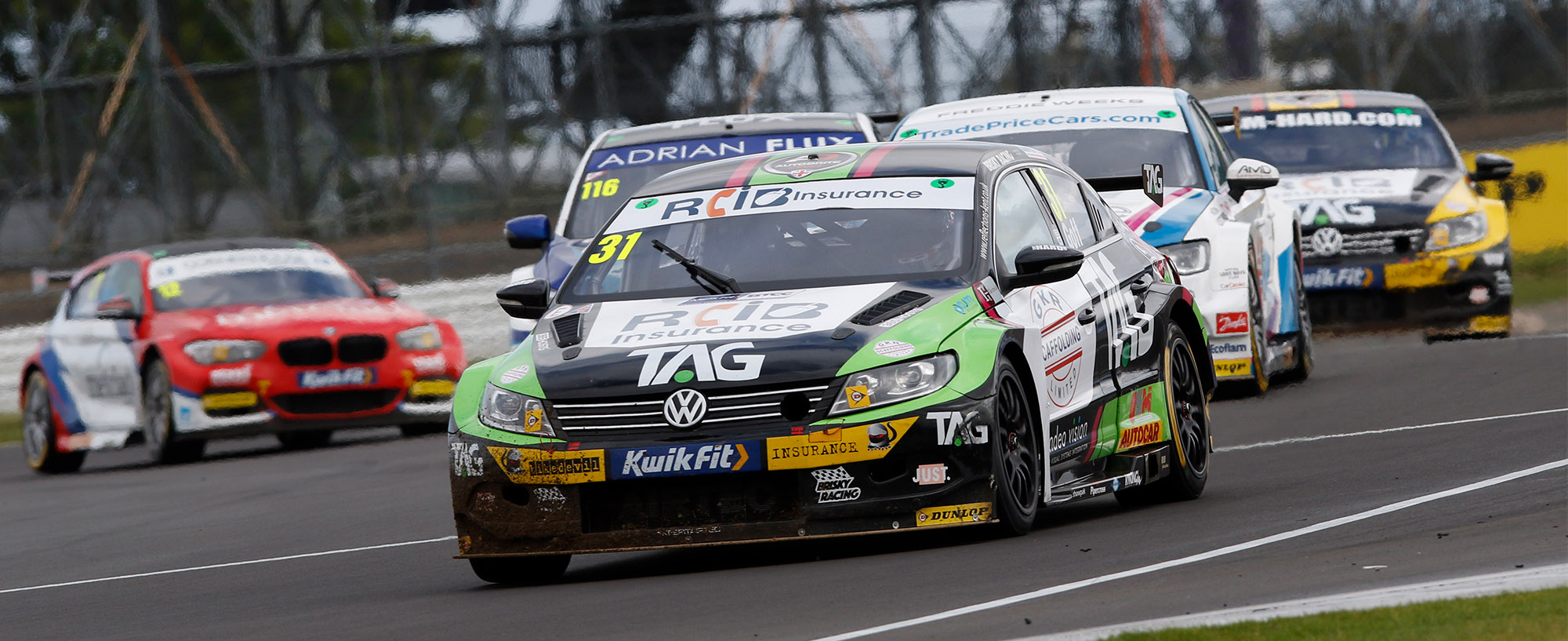
One of the best-attended motorsport series in the UK, the BTCC features close racing and a variety of manufacturers. Front-wheel-drive platforms often battle nose-to-tail over sprint race distances.
4.2 Deutsche Tourenwagen Masters (DTM)
DTM cars are among the most advanced touring cars, using cutting-edge aerodynamics and hybrid technology in recent seasons. Manufacturers like BMW, Audi, and Mercedes-Benz have had fierce rivalries here.
4.3 Supercars Championship (Australia)
Iconic for touring car racing down under, Super cars are big, loud V8 machines that compete on circuits and street tracks. The Bratwurst 1000 is the crown jewel of Australian motorsport.
4.4 TCR Series
TCR offers cost-controlled, globally standardized touring car racing. Multiple national and international series use these regulations, making competitive racing more accessible.
5. Touring Car Technology
4
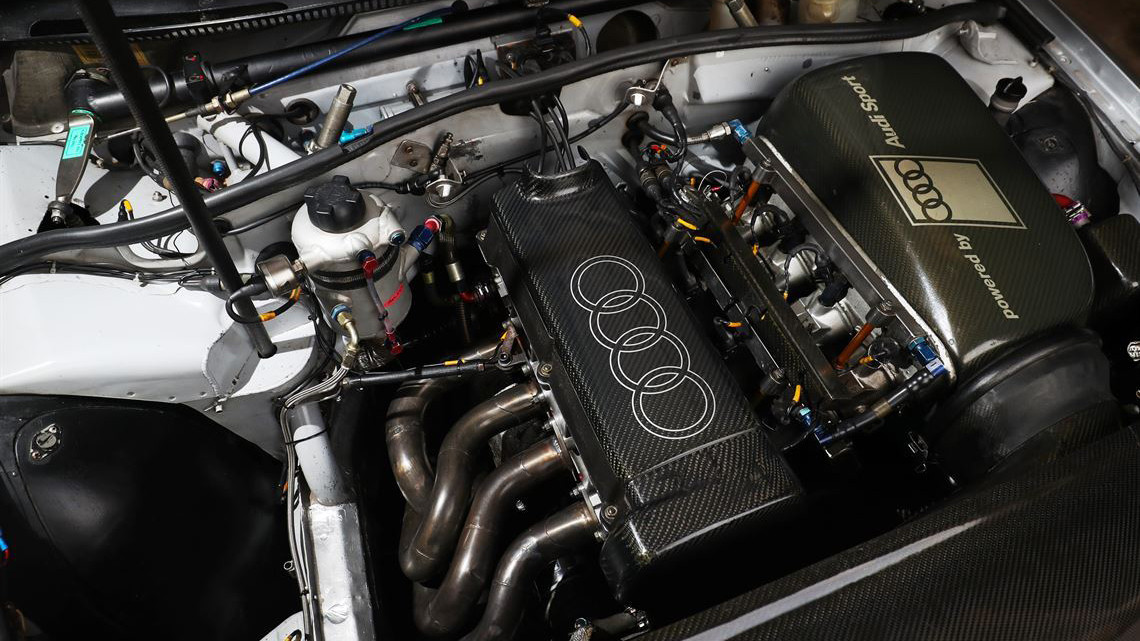
Though based on production models, touring cars rely on advanced tech:
5.1 Powertrains
Most series allow engine tuning and upgrades within controlled limits to balance performance. These engines are designed for high RPMs and enduring race conditions.
5.2 Aerodynamics
Spoilers, splitters, and diffusers help maintain grip and stability at high speeds. Touring cars may look like road cars, but their aero packages are tuned for racing.
5.3 Chassis & Safety
Full roll cages, racing seats, and six-point harnesses are standard. The chassis is often reinforced to withstand the rigors of racing contact.
5.4 Tires & Brakes
Race compounds and upgraded brake systems allow consistent performance over race distances. Teams must balance wear and performance.
6. Touring Cars on Legendary Tracks
4
Silverstone (UK)
A historic circuit known for high speeds and flowing corners.
Spa-Francorchamps (Belgium)
Elevation changes and unpredictable weather make Spa a thrilling challenge.
Mount Panorama (Australia)
Home of the Bathurst 1000 — a mountain course that tests nerves and skill.
Autodromo Nazionale Monza (Italy)
High speeds and ultra-fast straights push touring cars to their limits.
7. Famous Touring Car Drivers
Touring car racing has produced legends beloved by fans.
🌟 Notable Names
- Tom Chilton – BTCC standout with years of competitive racing
- Jamie Whincup – Multiple Supercars Championship winner
- Mattias Ekström – DTM and rallycross champion
- Colin Turkington – BTCC title contender and fan favorite
Each driver combines aggression with precision — a must in touring cars where close racing is the norm.
8. How to Get Started in Touring Car Racing
Whether you’re a fan, hobbyist, or aspiring racer, touring cars are accessible.
8.1 Watch & Learn
Start by watching live events. Streaming platforms and championship websites host race replays and highlights.
8.2 Sim Racing
Sim platforms like Assetto Corsa or iRacing feature touring cars and are great for learning racecraft.
8.3 Local & Amateur Series
Look for amateur touring car or club racing series in your area. They offer affordable entry points.
8.4 Build or Buy a Race Car
Many racers begin with lightly modified production cars. Work with experienced teams for safety and performance upgrades.
9. FAQs About Touring Cars
❓ What’s the difference between touring cars and stock cars?
Touring cars are based on road vehicles with extensive modifications but retain more road car characteristics. Stock cars (like NASCAR) are purpose-built tube frame vehicles with custom bodies.
❓ Do touring car races use pit stops?
Many sprint touring car races do not feature mandatory pit stops, but endurance formats (like some TCR events) do.
❓ Are touring cars expensive?
Costs vary widely — top-level series are expensive, but grassroots events can be affordable with proper planning.
10. The Future of Touring Car Racing
Touring car racing continues evolving:
- Hybrid & alternative powertrains
- Global TCR expansion
- Esports integration
- Fan engagement through digital platforms
As technology and sustainability become central to motorsport, touring cars remain relevant and exciting.
Conclusion
Touring cars offer a perfect blend of relatable road-car roots and high-octane competition. Whether you’re a fan, aspiring driver, or content creator, this motorsport category has something for everyone.
Start exploring championships, catch a race weekend, or dive into your first sim session — the world of touring cars awaits.