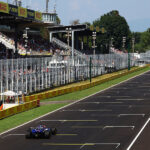
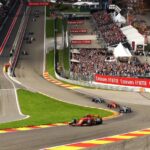
Formula 1 is widely regarded as the pinnacle of motorsport, not just because of the technological sophistication of the cars, but also due to the complexity and diversity of the circuits. While fans often talk about iconic corners, long straights, or tricky chicanes, one factor that significantly shapes racing yet isn’t always discussed in depth is track elevation. Elevation changes—whether steep climbs, sharp drops, rolling gradients, or dramatic altitude shifts—play a powerful role in determining car performance, driver strategy, and race outcomes.
In this article, we explore how elevation impacts Formula 1 racing Track, the unique challenges it brings to both drivers and engineers, and why elevation changes make certain circuits legendary.
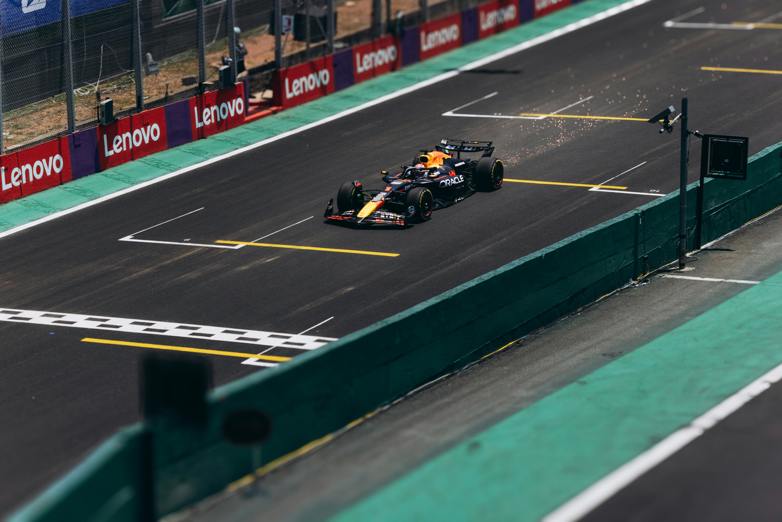
1. What Track Elevation Really Means in Formula 1
“Track elevation” refers to any vertical changes in a circuit’s layout—such as uphill climbs, downhill braking zones, crested corners, and high-altitude environments. Elevation can influence how cars generate grip, how engines perform, and how drivers approach each section of the track.
There are two main types of elevation change in F1:
A. Vertical Gradients
These include steep uphill and downhill sections, like those seen at Spa-Francorchamps (Eau Rouge-Raidillon) or the Red Bull Ring.
B. High-Altitude Circuits
These are tracks located thousands of meters above sea level, like the Autódromo Hermanos Rodríguez in Mexico City.
Both forms require special attention, as they dramatically influence energy recovery, braking stability, and straight-line speed.
2. Elevation and Aerodynamics: How Air Density Changes Performance
Aerodynamics is the backbone of modern F1 performance. Downforce—the force pushing a car onto the ground—depends on air density. Elevation changes can alter how much downforce the car generates, especially at high-altitude circuits.
A. High Altitude = Thin Air = Less Downforce
When a track is located at a high elevation, the air becomes thinner. With fewer air molecules passing over the wings and bodywork, downforce drops significantly. This reduces:
- Cornering stability
- Mechanical grip
- Braking performance
- Tire warm-up consistency
Teams often run maximum wing levels at high-altitude circuits just to achieve the same downforce they would get at medium wing settings elsewhere.
B. Straight-Line Speed Increases
Thinner air also means less aerodynamic drag, resulting in significantly higher top speeds. This combination—less downforce but more straight-line speed—creates a unique setup dilemma for engineers.
3. Power Unit Performance at Different Elevations
Modern F1 power units rely heavily on hybrid turbo technology, and elevation impacts them in complex ways.
A. Turbo Efficiency Improves at High Altitude
Turbochargers compress air before it enters the engine. At altitude, because the air is thinner, the turbo must work harder to maintain pressure, but hybrid systems allow it to do so more efficiently than naturally aspirated engines of the past.
B. Engine Cooling Becomes More Difficult
Thin air reduces the cooling capacity of the radiators, meaning engines run hotter. Teams must adjust cooling packages by:
- Opening up larger bodywork vents
- Optimizing airflow around radiators
- Prioritizing thermal management over aerodynamic efficiency
C. ERS and Battery Management
High speeds and long braking zones at elevation-heavy circuits affect how effectively the Energy Recovery System can harvest and deploy electrical power. Downhill braking may harvest more energy, while long uphill sections can drain battery reserves quickly.
4. Elevation and Driver Technique: Why Every Crest and Drop Matters
Drivers face unique challenges at elevation-heavy circuits that require sharp reflexes and precise car control.
A. Uphill Corners Demand Extra Power and Precision
Climbing steep gradients requires more traction and engine torque. Drivers must balance throttle application to avoid wheelspin or rear-end instability.
B. Downhill Braking Zones Are More Dangerous
Gravity increases stopping distances in downhill braking areas. This makes the car:
- More prone to lock-ups
- Harder to stabilize
- More unpredictable under heavy braking
Drivers often brake earlier to compensate.
C. Blind Crests Test Driver Confidence
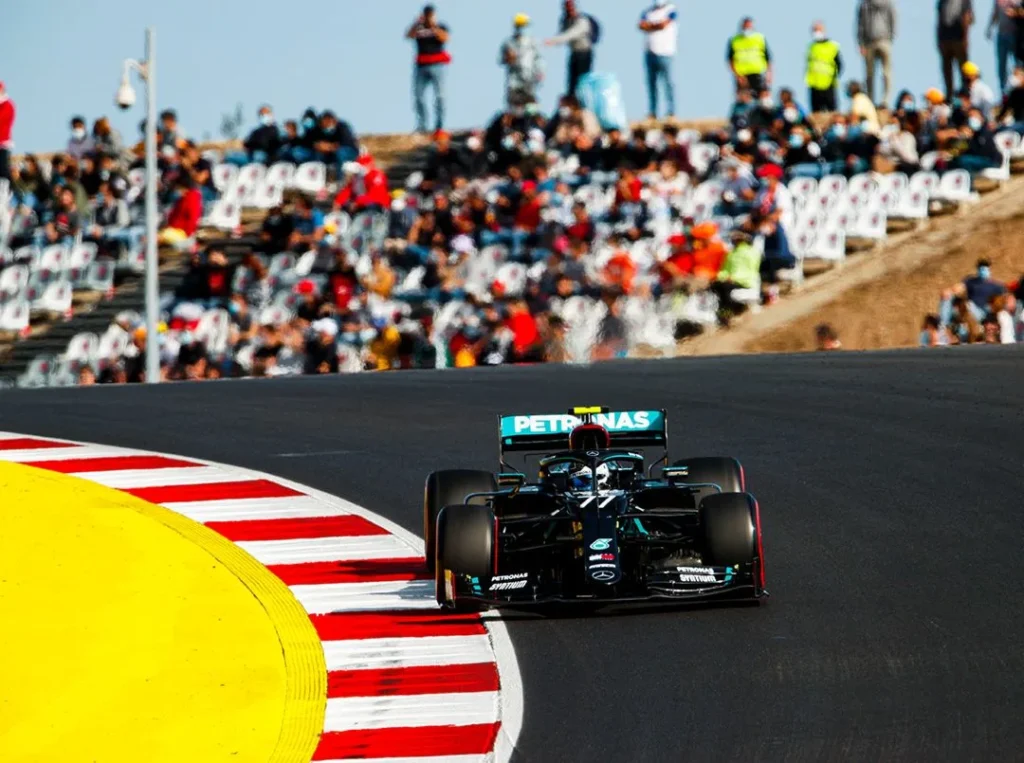
Corners like the crest at Portugal’s Portimão or the top of Raidillon at Spa force drivers to commit at high speed without full visibility. These sections reward confidence, consistency, and perfect racing lines.
5. How Elevation Influences Tire Performance
Tires are the only part of the car that touches the track, so changes in elevation can dramatically impact their behavior.
A. Temperature Fluctuations
Elevation affects track and ambient temperatures. High-altitude circuits often have cooler air, which makes tire warm-up harder. Meanwhile, steep climbs and descents place uneven loads on the tires, accelerating wear on specific corners.
B. Load Transfer
Going uphill shifts weight to the rear tires, improving traction but reducing front-end grip. Downhill sections do the opposite, loading the front tires more heavily and increasing the risk of front lock-ups.
C. Cornering Forces
Rapid elevation changes can produce vertical forces that combine with lateral forces, especially in high-speed sections. This stresses the tires beyond normal levels.
6. Track Elevation and Strategic Decisions
Elevation doesn’t just influence car behavior—it plays a major role in race strategy.
A. Fuel Consumption
Cars often consume more fuel during uphill sections and less during long downhill stretches. Teams must factor elevation into their fuel models to avoid underestimating requirements.
B. DRS and Overtaking
Downforce loss at high-altitude circuits affects the power of DRS (Drag Reduction System). With less drag overall, DRS becomes less powerful, making overtaking harder.
C. Pit Stop Windows
Tire degradation influenced by elevation changes can force teams to alter pit strategies. High-altitude circuits may cause overheating, while undulating tracks may lead to uneven tire wear across axles.
7. Iconic F1 Circuits Where Elevation Defines the Race
Spa-Francorchamps (Belgium)
Home to the dramatic Eau Rouge and Raidillon sequence, Spa’s elevation changes create extreme forces that test both car stability and driver bravery.
Interlagos (Brazil)
Built on hilly terrain, Interlagos features altitude shifts that influence braking zones, corner speed, and tire wear—especially in the middle sector.
Red Bull Ring (Austria)
With its rolling hills and steep climbs, the Red Bull Ring creates unique traction and braking challenges, particularly in the first and third sectors.
Mexico City (Mexico)
Located over 2,200 meters above sea level, Mexico poses the most extreme high-altitude challenge in Formula 1, affecting downforce, engine performance, and cooling.
Portimão (Portugal)
Known for roller-coaster-like elevations and blind crests, Portimão pushes drivers to their limits with unpredictable rhythm and constantly shifting visibility.
8. Why Track Elevation Enhances Racing Excitement
Elevation changes introduce variety, unpredictability, and technical complexity into a race weekend. They:
- Create natural overtaking opportunities
- Challenge the limits of car design
- Force teams to innovate setups
- Test driver courage and adaptability
- Shape the identity and character of each circuit
In many ways, elevation is what separates iconic circuits from forgettable ones. Fans love watching cars attack steep climbs, crest blind corners, and plunge into downhill braking zones—all of which add layers of difficulty and drama.
Elevation Is a Silent Architect of F1 Performance
Track elevation plays a profound role in shaping Formula 1 racing, impacting everything from aerodynamic load and power unit performance to tire wear, braking stability, and driver technique. It transforms circuits into three-dimensional challenges where gravity, air density, and terrain become strategic factors.
Whether through dramatic altitude conditions in Mexico or breathtaking undulations at Spa and Portimão, elevation enriches racing and adds complexity that keeps engineers guessing, drivers on edge, and fans glued to the action.
Fans can follow updates, live streams, and track maps on SpeedsRun Online and affiliated social media channels.