Speed racing aviation, also known as air racing, is one of the most thrilling and technically demanding motorsports in the world. Unlike traditional motorsports on land, aviation racing takes place in three dimensions, combining speed, aerodynamics, engineering, and pilot skill. Air racing aircraft fly at extremely low altitudes and very high speeds, often exceeding 400–500 mph, while navigating tight courses marked by pylons or checkpoints.Air racing pushes both pilots and aircraft to their limits. It has played a critical role in advancing aviation technology, aerodynamics, engine efficiency, and flight safety. Many technologies used in modern aircraft were first tested in air racing competitions.

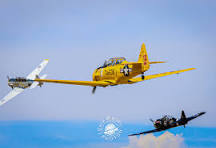
🖼️ Speed Racing Aviation Aircraft Examples
Classic and Modern Racing Aircraft
- Hughes H-1 Racer
- Modified P-51 Mustang racers
- Formula One racing planes
- Jet-powered air racers
- Drone racing aircraft
What Is Speed Racing Aviation?
Speed racing aviation is a competitive sport in which pilots race aircraft over a predefined course in the shortest possible time. These courses may include:
- Closed circuits
- Straight-line speed runs
- Pylon racing courses
- Aerobatic racing gates
Aircraft compete in various categories depending on engine type, aircraft weight, and maximum speed.
History of Speed Racing Aviation
Early Beginnings (1920s–1930s)
Air racing began in the early 20th century, when aviation pioneers competed to demonstrate speed and technological superiority.
One of the most famous early racing aircraft was the Hughes H-1 Racer, built in 1935. It set world airspeed records and demonstrated advanced aerodynamic design techniques that influenced future aircraft.
Another legendary aircraft, the Macchi M.C.72, set speed records for piston-engine seaplanes in the 1930s, showcasing Italy’s leadership in racing aviation technology.
Post-War Racing Era (1940s–1960s)
After World War II, surplus military aircraft were converted into racing machines. These modified fighters became some of the fastest propeller-driven aircraft in the world.
For example:
- Modified P-51 Mustang racers exceeded 500 mph.
- Racing aircraft achieved unprecedented performance levels.
The Reno Air Races, founded in 1964, became one of the most important air racing competitions.
Modern Speed Racing Aviation
Today, speed racing aviation includes multiple racing formats:
- Propeller aircraft racing
- Jet aircraft racing
- Drone racing
- Autonomous air racing
Some racing aircraft now exceed speeds of 500 mph, especially in jet racing categories.
Types of Air Racing Competitions
1. Pylon Racing
Pylon racing is the most popular air racing format.
Pilots fly around pylons at low altitude and maximum speed.
Features:
- Tight turns
- Close competition
- High risk
- Extreme pilot precision
Aircraft fly at speeds exceeding 400 mph.
2. Closed Circuit Racing
Aircraft fly multiple laps around a closed course.
Goals:
- Fastest lap time
- Fastest total race time
3. Time Trial Racing
Pilots compete individually against the clock.
Focus:
- Maximum speed
- Precision flying
4. Jet Racing
Jet aircraft represent the fastest category of air racing.
Speeds exceed:
- 500 mph
- Sometimes approaching 600 mph
5. Drone Racing
Drone racing is the newest form of speed racing aviation.
AI-powered drones can reach speeds of 100 km/h or more and compete autonomously.
The Fastest Speed Racing Aircraft Ever Built
Hughes H-1 Racer
- Built in 1935
- Set world speed records
- Revolutionary aerodynamic design
Modified P-51 Mustang Air Racers
Aircraft like “Dago Red” achieved speeds over 507 mph.
Jet Air Racers
Jet aircraft in racing competitions exceed 500 mph.
Experimental Racing Aircraft
Aircraft like the Polen Special set speed records exceeding 300 mph.
Aircraft Design for Speed Racing Aviation
Speed racing aircraft use advanced design techniques:
Aerodynamic Design
Features include:
- Streamlined fuselage
- Thin wings
- Reduced drag
- Smooth surfaces
Aerodynamics reduce air resistance and increase speed.

Lightweight Materials
Materials include:
- Carbon fiber
- Aluminum alloys
- Composite materials
These materials improve speed and maneuverability.
High-Performance Engines
Racing aircraft engines produce extreme power.
Features include:
- Turbocharging
- Supercharging
- High RPM engines
These engines maximize thrust.
How Speed Racing Aviation Works
Race Course Layout
Typical race courses include:
- 3 to 8 mile circuits
- Multiple pylons
- Low altitude flying
Aircraft fly extremely close to the ground for maximum speed.
Pilot Skill and Strategy
Pilots must:
- Maintain maximum speed
- Navigate pylons precisely
- Control aircraft stability
- Avoid collisions
Pilot skill is critical for winning.
Why Speed Racing Aviation Is Important
Speed racing aviation has helped develop many aviation technologies.
These include:
- Advanced aerodynamics
- High-performance engines
- Lightweight materials
- Flight control systems
These technologies are used in:
- Military aircraft
- Commercial aircraft
- Spacecraft
Technology Used in Speed Racing Aviation
Aerodynamics Technology
Aerodynamic improvements reduce drag and increase speed.
Engine Technology
Advanced engines produce more thrust and efficiency.
Flight Control Systems
Modern racing aircraft use advanced control systems.
Materials Engineering
Lightweight materials improve speed and performance.
Safety in Speed Racing Aviation
Safety is critical because air racing involves extreme speeds and close proximity flying.
Safety measures include:
- Pilot training
- Aircraft inspection
- Race rules
- Airspace control
Despite risks, safety has improved significantly.
Internal Links (Example for Your Website)
You can link internally to:
- /air-racing-guide
- /fastest-aircraft
- /aviation-speed-records
- /aircraft-engine-technology
Example internal link in content:
Learn more in our guide to fastest aircraft technology.
External Links (Example for Website)
You can link to trusted aviation websites:
- FAA.gov
- NASA.gov
- Airrace.org
Example external link usage:
Visit official aviation authority websites for more details.
The Future of Speed Racing Aviation
The future includes:
- AI racing aircraft
- Autonomous drone racing
- Electric racing aircraft
- Hypersonic racing aircraft
AI technology is already capable of beating human pilots in drone racing competitions.

Why Speed Racing Aviation Is So Popular
Reasons include:
- Extreme speed
- Advanced technology
- Pilot skill
- Exciting competition
Air racing attracts thousands of fans worldwide. Main Purpose of Speed Racing Aviation
The primary goals include:
- Achieving the fastest lap time
- Navigating tight turns and obstacles
- Demonstrating pilot skill and aircraft performance
- Advancing aviation technology
- Entertaining spectators with extreme aerial performance
Types of Speed Racing Aviation
1. Closed-Course Air Racing
Aircraft fly around pylons or gates in a fixed circuit.
Example:
- Reno Air Races
Features:
- Oval race course
- Extremely high speeds
- Low-altitude flying (10–50 meters above ground)
2. Aerobatic Air Racing
Pilots fly through air gates while performing precision maneuvers.
Example:
- Red Bull Air Race
Features:
- Vertical turns
- High G-forces
- Precision flying
3. Time Trial Racing
Pilots compete individually to achieve the fastest time.
Features:
- Focus on speed efficiency
- No direct aircraft contact
- Highly technical flying
Aircraft Used in Speed Racing Aviation
Speed racing aircraft are specially modified for performance.
Common Aircraft Types
1. Formula One Air Racers
Examples include:
- Cassutt Aircraft Company aircraft
- Van’s Aircraft racers
Speed:
- 300–400 km/h
2. Unlimited Class Aircraft
Examples include modified warbirds such as:
- North American Aviation P-51 Mustang
- Hawker Aircraft Sea Fury
Speed:
- 700–800+ km/h
3. Jet Air Racers
Modern jet racing aircraft can reach:
Speed:
- 800–1000 km/h
These aircraft use turbine engines for extreme performance.
Technology Behind Speed Racing Aviation
1. Aerodynamics
Aircraft are designed to reduce drag and increase speed.
Key features:
- Streamlined body
- Thin wings
- Smooth surfaces
Benefits:
- Faster speeds
- Better efficiency
2. Powerful Engines
Speed racing aircraft use high-performance engines.
Examples:
- Piston engines
- Turbocharged engines
- Jet engines
These engines provide massive thrust.
3. Lightweight Materials
Materials include: 4. Advanced Cockpit Systems
Pilots use advanced instruments such as:
- Digital flight displays
- GPS navigation
- Speed monitoring systems
These systems improve safety and performance.
Speed Racing Aviation Course Design
Courses are designed for maximum challenge.
Typical features include:
- Air gates (20–30 meters high)
- Sharp turns
- Low-altitude flying
- High-speed straight sections
Pilots must balance speed and control.
Role of the Pilot
The pilot is the most important factor in speed racing aviation.
Pilots must have:
- Fast reflexes
- Excellent coordination
- Strong physical endurance
- Advanced aviation training
Pilots experience forces up to:
- 10 G-forces
This is extremely demanding physically.
How Fast Are Speed Racing Aircraft?
Typical speeds:
| Aircraft Type | Speed |
|---|---|
| Formula One Racers | 300–400 km/h |
| Sport Class Racers | 400–600 km/h |
| Unlimited Class Racers | 700–800 km/h |
| Jet Racers | 800–1000 km/h |
These speeds are faster than many commercial aircraft at low altitude.
Why Speed Racing Aviation Is Important
1. Technology Advancement
Air racing improves aviation technology.
Innovations later used in:
- Commercial aircraft
- Military aircraft
2. Pilot Training
Air racing improves pilot skills such as:
- Reaction time
- Aircraft control
- Precision flying
3. Entertainment and Spectator Sport
Millions of people watch air racing worldwide.
Events attract:
- Aviation fans
- Engineers
- Pilots
- Media
Safety in Speed Racing Aviation
Safety measures include:
- Strict aircraft inspections
- Pilot certification requirements
- Emergency rescue teams
- Safety zones for spectators
Safety is the top priority.
History of Speed Racing Aviation
Speed racing aviation began in the early 1900s.
Major historical developments:
- 1910: First air races
- 1920s–1930s: Golden age of air racing
- 1964: First modern Reno Air Races
- 2003: Launch of Red Bull Air Race
Air racing continues to evolve.
Difference Between Speed Racing Aviation and Commercial Aviation
| Feature | Speed Racing Aviation | Commercial Aviation |
|---|---|---|
| Purpose | Competition | Transportation |
| Speed | Extremely high | Moderate |
| Altitude | Low | High |
| Aircraft Design | Performance focused | Passenger focused |
Future of Speed Racing Aviation
Future developments include:
- Electric racing aircraft
- AI flight systems
- Improved aerodynamics
- Safer aircraft design
Speed racing aviation will continue to grow.


One Comment