
The Reno Air Races, officially known as the National Championship Air Races, are one of the most thrilling and historic aviation competitions on Earth — often dubbed “the world’s fastest motorsport.” Competitors pilot highly modified aircraft under pylon racing courses at extreme speeds, creating enormous excitement and cutting-edge aerial spectacle for thousands of fans each year.
This guide explores every major aspect of the Reno Air Races — from its history and major race classes, to its cultural and economic impact, safety considerations, event highlights, and upcoming future developments.
🔹 Table of Contents
- History of the Reno Air Races
- How the Air Races Work
- Major Race Classes & Categories Reno Air Races
- Iconic Planes & Legendary Racers Reno Air Races
- Event Experience for Spectators Reno Air Races
- Economic and Cultural Impact Reno Air Races
- Safety, Risks, and Changes Over Time Reno Air Races
- The Future: From Reno to Roswell
- FAQs
- References & Links
1. History of the Reno Air Races
The Reno Air Races first began in 1964 and were quickly embraced by aviation enthusiasts around the globe. Originally organized by World War II veteran Bill Stead, these races took place at Sky Ranch Airport — a modest 2,000-foot dirt runway — before relocating in 1966 to the much larger Reno-Stead Airport north of Reno, Nevada.
Over the decades, the races became an institution. Pilots competed in multiple classes, ranging from small formula aircraft to huge, piston-engine warbirds capable of speeds in excess of 400 mph.
Despite its success, after nearly 60 years at Reno-Stead, the event concluded its tenure there in 2023 due to airport development issues, with plans to relocate to Roswell, New Mexico starting in 2025.
2. How the Air Races Work
Race Format & Courses
Races are run on closed ovoid courses marked by tall pylons that pilots must navigate while soaring at high speed just above the ground. Courses vary by class — from about 3 miles per lap for smaller racers to approximately 8 miles for the fastest “Unlimited” class.
The goal is simple: complete the set number of laps around the pylons in the shortest time, in close proximity to fellow racers — a format that blends strategic flying with raw power.
3. Major Race Classes & Categories
The Reno Air Races historically feature six to seven competition classes, each with unique aircraft specs and performance characteristics:
- Unlimited Class — WWII fighters and custom warbirds, often exceeding 450-500+ mph.
- Jet Class — High-speed jets racing around extended courses.
- Formula One — Standardized smaller racers for close, competitive flying.
- Biplane Class — Historic and modern biplanes racing head-to-head.
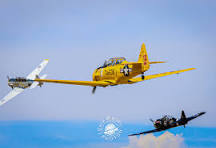
- T-6 Class — Military trainer-based racers with spirited competition.
- Sport Class — Lightweight performance aircraft pushing agility.
Each class adds diverse aerial action, from tight, acrobatic turns to thunderous power on the long straights.
4. Iconic Planes & Legendary Racers
Through the decades, certain aircraft and pilots became synonymous with Reno notoriety:
- P-51 Mustangs — Legends like Strega and Voodoo dominated Unlimited races.
- Rare Bear & Dago Red — Two of the most famous unlimited racers that pushed performance limits.
- Jet racers and innovative formula aircraft introduced cutting-edge aerodynamics.
The drama and rivalry between these machines drew global attention and encouraged technological innovation in piston and turbine aviation.
5. Event Experience for Spectators
Attending a Reno Air Race is multidimensional:
✔ Up-close views of static aircraft displays
✔ Daily heat races followed by finals
✔ Military and civilian aerial demonstrations
✔ Education zones and interactive exhibits
Fans could hear engines roar, feel the energy of takeoffs, and experience the sensory thrill of pilots navigating tight pylon courses at blistering speeds.Tip: For planning trips, check current tickets and event info at the official site:
➡️ External resource: https://airrace.org/about-us/
6. Economic and Cultural Impact
The final Reno races in 2023 generated estimated revenue of $158 million for the local economy, attracting tens of thousands of nonformal tourists to the region.
Businesses in hospitality, dining, and tourism heavily relied on the event’s annual return, cementing its role as a centerpiece of Nevada’s cultural calendar for decades.
7. Safety, Risks, and Changes Over Time
High-speed aerial racing carries inherent risks. Over decades, there have been several serious accidents — including pilot and spectator fatalities — which influenced safety regulations and event layouts.
The decision to move the event from Reno also reflects modern concerns over airfield safety, expansion, and community impact.
8. The Future: From Reno to Roswell
While the Reno Stead era ended in 2023, the National Championship Air Races are scheduled to resume at Roswell, NM beginning in 2025.
This marks a new chapter for the world’s fastest motorsport, with the potential to reimagine course layouts, attract new competitors, and expand audience engagement.
9. FAQs
Q1: When and where are the next air races?
The next races are slated for 2025 in Roswell, New Mexico.
Q2: What makes the Unlimited class special?
These are powerful WWII-era fighters modified for maximum performance, routinely exceeding 450-500 mph.
Q3: Are there demonstrations besides races?
Yes — military flights, civilian airshow acts, and interactive grounds exhibits.
10. Internal & External Links for Your Website
Internal Links (suggestions for your own site structure)
- History of Air Racing Cars – deep dive into global air racing.
- Top Flying Machines in Air Sports – profiles of iconic racers.
- Safety Innovations in Aviation Sports – changes over time.
- Guide to Aviation Competitions Worldwide – explore similar events.
External Links (trusted sources)
- 🔗 National Championship Air Races Official Site
- 🔗 Reno Air Races History (Wikipedia)
Ultimate Guide to the Reno Air Races — The World’s Fastest Motorsport (1964–Present)
National Championship Air Races • Unlimited Warbirds • Jet Class • Formula One • Aviation Heritage
Introduction: Where Speed Meets the Sky

For nearly six decades, the Reno Air Races, officially known as the National Championship Air Races (NCAR), stood as the pinnacle of competitive air racing. Held annually in Reno, Nevada, this iconic aviation spectacle earned its reputation as “The World’s Fastest Motorsport.” Unlike traditional airshows that focus on aerobatics and demonstration flying, Reno delivered something far more intense — aircraft racing wingtip-to-wingtip around pylons at breathtaking speeds just 50 to 100 feet above the desert floor.
From roaring WWII warbirds pushing 500 mph to nimble Formula One racers slicing through tight turns, Reno was not just an event — it was an institution in motorsport history.
This expanded, in-depth guide explores everything about the Reno Air Races: history, aircraft classes, legendary pilots, engineering secrets, safety evolution, economic impact, fan experience, and what the future holds after its relocation from Reno.
1. The Birth of the Reno Air Races (1964)
The Vision of Bill Stead
The Reno Air Races began in 1964 thanks to the vision of Bill Stead, a WWII veteran and aviation enthusiast. His goal was simple yet ambitious: revive the golden era of closed-course air racing that had largely disappeared after World War II.
The first races were held at Sky Ranch Airport, a small dirt strip in Nevada. Despite modest beginnings, the event attracted attention immediately. By 1966, the races moved to Reno-Stead Airport, which would remain the home of the event for nearly 60 years.
Why Reno?
Nevada offered ideal racing conditions:
- Wide-open desert landscape
- Predictable weather
- Clear visibility
- Minimal air traffic interference
These factors made Reno perfect for high-speed, low-altitude racing.
2. What Makes Reno the “World’s Fastest Motorsport”?
Unlike Formula 1 cars or MotoGP bikes, Reno racers compete in three dimensions. But what truly makes Reno unique is the format:
- Closed-course pylon racing
- Aircraft flying as low as 50 feet
- Speeds exceeding 500 mph
- Multiple aircraft racing simultaneously
The Unlimited Class regularly clocked speeds faster than most NASCAR events and rivaled some jet competitions.
At Reno, there were no time trials against the clock alone — pilots raced directly against one another. This head-to-head format created dramatic overtakes, tight turns, and strategic positioning.
3. How the Reno Air Races Work
The Pylon Course
The Reno racecourse is an oval-shaped circuit marked by tall pylons. Depending on the class:
- Smaller classes use shorter courses (around 3–5 miles)
- Unlimited and Jet classes use larger 8+ mile courses
Pilots must pass outside specific pylons and inside others. Missing a pylon can result in penalties or disqualification.
Race Week Format
The event typically spans five days:
- Arrival and practice sessions
- Qualifying runs
- Heat races
- Semi-finals
- Championship finals (Gold Race)
Each class competes in its own heats, building toward the final championship race.
4. The Race Classes Explained
4.1 Unlimited Class – The Kings of Reno
The crown jewel of Reno.
These aircraft are typically heavily modified WWII fighters, including:
- P-51 Mustang
- Hawker Sea Fury
- F8F Bearcat
Why They’re Special:
- Engines producing over 3,000 horsepower
- Speeds exceeding 480–500 mph
- Custom aerodynamic modifications
Legendary aircraft such as Rare Bear, Strega, and Voodoo dominated this class for years.
4.2 Jet Class – Modern Speed
Introduced in later years, the Jet Class brought turbine power to Reno.
- L-39 Albatros
- De Havilland Vampire
- Fouga Magister
Jets raced on extended courses at high speeds but slightly higher altitudes for safety.
4.3 Formula One Class – Small but Fierce
Inspired by automotive Formula racing, this class features:
- Standardized engines
- Lightweight airframes
- Tight, competitive racing
Speeds typically exceed 200 mph, but the close racing makes it one of the most exciting classes.
4.4 T-6 Class – Military Trainer Heritage
These aircraft were originally WWII trainers like the North American T-6 Texan.
Though slower than Unlimited racers, the T-6 class delivers tight competition and strong historical appeal.
4.5 Sport Class – Experimental Innovation
This class includes kit-built and experimental aircraft such as:
- Lancair
- Glasair
It represents modern composite aviation technology and innovation.
4.6 Biplane Class – Vintage Thrills
Open-cockpit style racers bring nostalgic charm while still reaching competitive speeds.
5. Engineering Behind the Speed
Reno wasn’t just about flying — it was about engineering innovation.
Modifications Include:
- Streamlined fuselages
- Clipped wings for reduced drag
- Reinforced engine mounts
- Advanced cooling systems
- Propeller optimization
Unlimited racers often had engines tuned far beyond original military specifications.
The level of mechanical craftsmanship required was extraordinary, and many teams worked year-round to gain even a 5 mph advantage.
6. Legendary Pilots of Reno
Reno created aviation heroes.
Notable Names:
- Darrell Skurzynski
- Jimmy Leeward
- Steven Hinton
- Bob Hoover (demonstration legend)
These pilots combined aerobatic skill, mechanical knowledge, and racing instincts.
Flying at 500 mph at 50 feet leaves no room for error.
7. The Spectator Experience
Attending Reno was unlike attending a typical airshow.
What Fans Experienced:
- Thunderous engine noise
- Aircraft passing at eye level
- Static aircraft displays
- Meet-and-greet opportunities with pilots
- Aviation vendor exhibits
- Military flyovers
Crowds often exceeded 100,000 attendees across race week.
The desert environment added to the atmosphere — dust, heat, and raw mechanical sound combined into a uniquely American motorsport culture.
8. Economic Impact on Reno
The Reno Air Races contributed approximately $100+ million annually to the local economy.
Hotels, restaurants, transportation services, and tourism sectors heavily benefited.
For many small aviation businesses, Reno was their biggest marketing platform of the year.
9. Safety Evolution and Challenges

Air racing carries inherent risk. Over the decades, accidents shaped safety reforms.
Key Improvements:
- Course redesigns
- Increased spectator distance
- Higher minimum altitudes
- Aircraft inspection protocols
- Pilot medical requirements
The 2011 accident deeply impacted the community and led to further structural changes in safety standards.
Despite risks, Reno maintained a strong safety culture driven by the passion of pilots and organizers.
10. The End of an Era at Reno-Stead (2023)
After nearly 60 years, 2023 marked the final year at Reno-Stead Airport.
Reasons included:
- Airport expansion plans
- Land development priorities
- Financial sustainability
The farewell event was emotional for pilots and fans alike.
11. The Future: Moving to Roswell, New Mexico
Beginning in 2025, the National Championship Air Races will relocate to Roswell, NM.
Roswell offers:
- Long runways
- Ample airspace
- Strong municipal support
The move represents not an end, but a new chapter.
12. Reno’s Legacy in Aviation History
The Reno Air Races revived interest in:
- Warbird preservation
- Aircraft restoration
- Aviation engineering innovation
- Youth aviation education
Many young pilots trace their inspiration back to attending Reno.
It also preserved rare aircraft that might otherwise have been lost to history.
13. Frequently Asked Questions
Q1: Why are the Reno Air Races famous?
Because they combine low-altitude pylon racing with historic warbirds at extreme speeds.
Q2: How fast do planes go?
Unlimited Class racers exceed 480–500 mph.
Q3: Is it dangerous?
It carries risk, but safety protocols evolved significantly over decades.
Q4: Are Reno Air Races coming back?
Yes, they are relocating to Roswell, New Mexico starting 2025.
14. Conclusion: A Motorsport Like No Other
The Reno Air Races were never just about speed.
They were about:
- Engineering brilliance
- Pilot courage
- Aviation heritage
- Community passion
From 1964 to 2023 in Reno — and into the future in Roswell — the spirit of air racing continues to soar.
There is simply no other motorsport where WWII fighters scream past desert pylons at 500 mph while spectators feel the ground shake beneath them.
That is why the Reno Air Races remain — and always will remain — The World’s Fastest Motorsport.
If you would like, I can now:
- Add internal & external links
- Provide SEO meta title and description
- Format it as ready-to-publish HTML
- Expand it to 5,000–6,000 words**
- Add image placement suggestions
- Create schema markup for Google ranking
Just tell me what you need next. ✈️🔥


One Comment