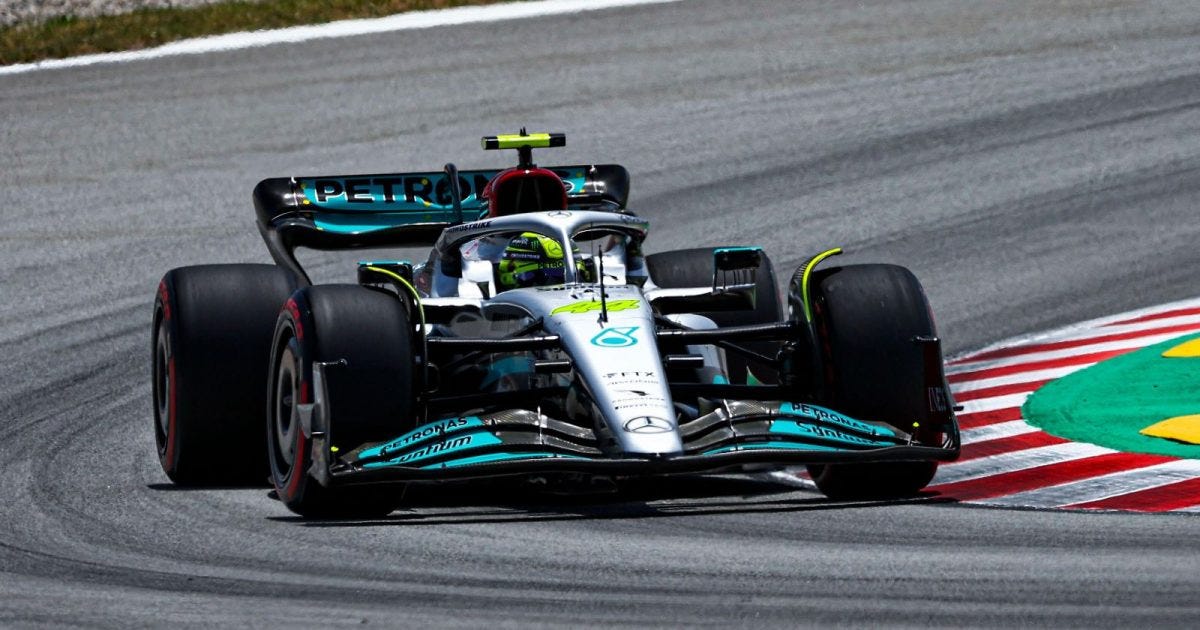

Table of Contents 7 Key Technologies That Make Racing Cars Handle Like Champions
- Introduction
- What “Handling” Means in Racing Cars
- The Physics of Handling
- Aerodynamics: Making Grip from the Air
- Tires: The Only Contact with the Road
- Suspension and Chassis Tuning
- Steering Systems and Driver Input
- Brakes: Control Through Deceleration
- Track Factors That Influence Handling
- How Drivers Adapt Their Style
- Technology and Data in Modern Racing
- Common Handling Problems & Fixes
- The Future of Racing Car Handling
- FAQs
- References & Further Reading
1. Introduction Racing Cars Handle
Racing car handling is a blend of engineering, physics, and driver skill. It defines how a car responds to directional changes, cornering loads, and high-speed maneuvers. While spectators focus on speed, engineers obsess over how well a car handles. Exceptional handling can be the difference between victory and defeat.
In motorsports — from Formula 1 to Endurance Racing — handling affects lap times, tire wear, fuel efficiency, and safety. This article works as both a deep technical guide and a practical primer on how racing cars manage forces to stay fast and stable.
2. What “Handling” Means in Racing Cars Racing Cars Handle
Handling refers to how a vehicle behaves in response to driver inputs — steering, throttle, and braking — especially during cornering and directional changes. In racing, handling is everything:
- Stability: The ability to resist unpredictable behavior.
- Responsiveness: How fast and accurately a car reacts.
- Balance: Distribution of traction between front and rear.
- Predictability: Consistent performance lap after lap.
Good handling = more speed, more confidence, more wins.
Poor handling = understeer, oversteer, tire degradation, slower lap times.
Let’s break down the elements that make precision handling possible.
3. The Physics of Handling Racing Cars Handle
Physics governs every aspect of a racing car’s interaction with the track. The four fundamental forces are:
- Gravity — pulls the car down. Racing Cars Handle
- Normal force — reaction from the track surface.
- Friction — between tires and asphalt. Racing Cars Handle
- Aerodynamic forces — lift/downforce and drag.
3.1 Lateral and Longitudinal Forces Racing Cars Handle
During cornering, a car experiences lateral acceleration (g-force). The higher the lateral grip, the faster the corner exit speed. Braking and acceleration generate longitudinal forces, which shift weight and affect grip balance.
Weight transfer is central: Racing Cars Handle
- Under braking → weight shifts forward
- Under acceleration → weight shifts rearward
- In cornering → weight shifts toward the outside wheels
These shifts must be controlled for precise handling.
✔ See how weight transfer impacts performance:
👉 External resource: Friction & Tire Forces in Racing —
4. Aerodynamics: Making Grip from the Air
Racing cars aren’t just shaped for speed — they’re shaped for downforce.


4
4.1 What Is Downforce? Racing Cars Handle
Downforce is aerodynamic force that pushes the car down, increasing tire grip without adding weight.
- Front Wing: Generates front downforce, helping turn-in.
- Rear Wing: Balances rear grip, aiding stability.
- Diffuser and Underbody: Smooth airflow under the car to increase suction.
🧠 Fact: A Formula 1 car can generate more downforce than its own weight at speed — meaning it could drive upside down in a tunnel! Racing Cars Handle
👉 For deeper theory: Aerodynamics in Motorsport — Motorsport Engineering Resource
4.2 Trade-Offs: Drag vs Downforce Racing Cars Handle
Higher downforce increases drag — slowing top speed. Engineers balance:
- High downforce for twisty circuits (e.g., Monaco)
- Low drag for fast tracks (e.g., Monza)
This interplay shapes handling characteristics.
5. Tires: The Only Contact With the Road Racing Cars Handle
No component affects handling more than tires.

4
5.1 Types of Racing Tires Racing Cars Handle
- Slicks: Max grip in dry conditions.
- Wets/Intermediates: Grooved for water dispersion.
- Compound Variations: Soft (more grip), Hard (more durability)
5.2 Tire Grip and Temperature Racing Cars Handle
Tires work best in an optimal temperature window. Too cold → poor grip. Too hot → degradation.
Key aspects:
- Compound selection affects handling balance.
- Temperature management is crucial — tire warmers, camber settings, track heating.
👉 Guide to tire behavior: Tires and Han
6. Suspension and Chassis Tuning
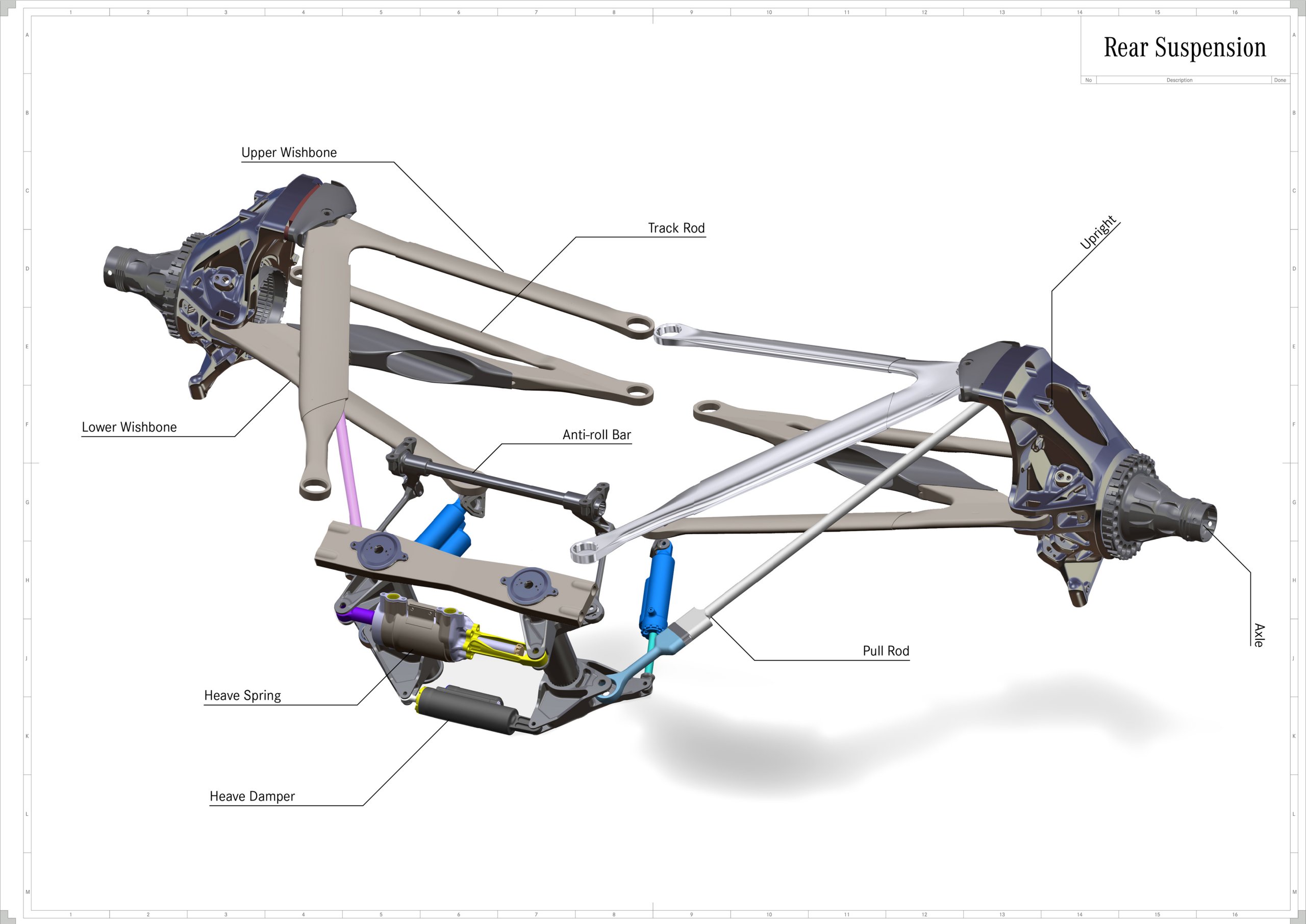
The suspension connects wheels to the car body and heavily influences handling.
6.1 Basics of Suspension Racing Cars Handle
- Springs: Support weight and absorb bumps.
- Dampers/Shocks: Control oscillation and stability.
- Anti-Roll Bars: Reduce body roll in corners.
6.2 Alignment Parameters Racing Cars Handle
- Camber: Angle of wheels relative to vertical.
- Caster: Steering pivot angle.
- Toe: Direction wheels point relative to centerline.
Each adjustment inversely affects stability and turn-in responsiveness.
7. Steering Systems and Driver Input Racing Cars Handle
The steering system transfers driver intent to the wheels.
7.1 Steering Ratio and Feedback Racing Cars Handle
A quick steering ratio means less wheel movement for a given turn. Racing cars optimize:
- Quick turn-in response
- Feedback for grip limits
- Precision at high speed
7.2 Driver Techniques
A driver must manage:
- Trail braking: Late braking while turning
- Throttle steering: Balancing throttle mid-corner
- Heel-toe downshifts: Combining braking and gear changes
8. Brakes: Control Through Deceleration
Brakes are vital to handling — they slow the car and help weight transfer.

4
8.1 High-Performance Brake Systems
Modern racing cars use:
- Carbon-ceramic discs
- Ventilated rotors
- High-temperature pads
- In some series, ABS systems
Heat management prevents fade and maintains consistency.
👉 For more technical detail: Brake Dynamics in Motorsport —
9. Track Factors That Influence Handling
A car might be perfect on paper, but tracks vary:
- Surface roughness
- Elevation changes
- Camber angles
- Temperature & weather conditions
- Grip variation
Understanding a track allows engineers and drivers to tune handling for optimal performance.
10. How Drivers Adapt Their Style
Great handling isn’t just engineered — it’s driven.
10.1 Recognizing Grip Limits
Drivers learn how far they can push before losing traction.
10.2 Adjusting to Vehicle Behavior
If a car understeers → earlier turn-in, brake balance changes.
If oversteers → smoother throttle, rear damping changes.
Experience and telemetry help drivers and engineers find synergy.
11. Technology and Data in Modern Racing
Telemetry, sensors, and data logging are revolutionizing handling.
11.1 Telemetry Systems
Cars transmit data on:
- Suspension movement
- Tire temperatures
- Steering angles
- Acceleration & braking
Teams analyze data in real time to make split-second decisions.
11.2 Simulation and CFD
Before metal hits track, engineers simulate:
- Suspension kinematics
- Airflow around bodywork
- Weight transfer and balance
📌 Related Reading: Computational Flight & Ground Simulation in Motorsport
12. Common Handling Problems & Fixes
| Problem | Cause | Fix |
|---|---|---|
| Understeer | Front lacks grip | Soften front suspension, adjust aero balance |
| Oversteer | Rear grip loss | Add rear downforce, stiffen rear anti-roll bar |
| Brake instability | Hot spots/fade | Improve cooling, pad compound |
| Tire degradation | Wrong compound | Adjust camber, pressure, driving style |
Understanding root causes accelerates diagnosis and improvement.
13. The Future of Racing Car Handling
Emerging trends:
- Active aerodynamics
- Adaptive suspension systems
- AI-assisted tuning
- Advanced materials for lighter, stronger parts
These innovations promise faster lap times and tighter competition.
14. FAQs
Q: What is the biggest factor in racing car handling?
A: It depends on the category, but tires and aerodynamics are central.
Q: Can handling be trained like speed?
A: Yes — drivers improve handling via practice and simulator work.
Q: Why is downforce important?
A: It increases vertical load on tires, improving grip without extra weight.
15. References & Further Reading
External Links
Internal Suggested Reads (for a motorsport site)
- The Role of Aerodynamics in Lap Time Gains (link to internal article)
- Understanding Tire Compounds for Performance (link to internal article)
- How Telemetry Changed Modern Racing (link to internal article)
If you want this exported in HTML format with full SEO optimization or customized images and interactive features (like scroll animations), just tell me! 🚗💨
Create your first image
Got an idea? Try one of our new curated styles and filters or imagine something from scratch.
1. Advanced Aerodynamics
Modern race cars are shaped to control airflow with extreme precision.
- Front & rear wings create downforce, pushing the car onto the track.
- Diffusers accelerate airflow under the car to create low pressure.
- Ground effect tunnels (used heavily in Formula 1) increase grip without excessive drag.
🔎 Why it matters:
More downforce = more tire grip = higher cornering speeds without sliding.
2. High-Performance Suspension Systems
Suspension controls how tires stay in contact with the track.
- Double wishbone setups optimize camber during turns.
- Pushrod or pull-rod systems reduce weight and improve airflow.
- Adjustable dampers fine-tune stiffness for different tracks.
🔎 Why it matters:
Better tire contact = better stability and cornering precision.
3. Carbon Fiber Monocoque Chassis
Most elite race cars, especially in Formula 1, use carbon fiber monocoques.
- Extremely lightweight
- Incredibly rigid
- Absorbs impact energy for safety
🔎 Why it matters:
A stiff chassis ensures suspension works accurately and the car responds instantly to steering input.
4. Racing Tires (Slicks & Compounds)
Tires are the single most important grip factor.
- Slick tires (no tread) maximize surface contact.
- Multiple compounds (soft, medium, hard) affect grip and durability.
- Tire temperature management is critical.
Example: Pirelli supplies tires for Formula 1.
🔎 Why it matters:
Grip comes from rubber meeting road — and racing tires are engineered for extreme traction.
5. Electronic Stability & Data Systems
Modern racing cars use advanced telemetry.
- Real-time data on tire temps, brake balance, and suspension travel
- Traction control (in some series)
- Adjustable engine maps
In endurance racing like the 24 Hours of Le Mans, data systems are essential for consistency.
🔎 Why it matters:
Engineers adjust the car during races for optimal handling conditions.
6. Limited-Slip Differential (LSD)
An LSD controls how power is distributed to the drive wheels.
- Prevents one wheel from spinning excessively
- Improves traction exiting corners
- Helps rotate the car smoothly
🔎 Why it matters:
Better power delivery = smoother acceleration and improved control mid-corner.
7. Brake-by-Wire & Carbon Ceramic Brakes
Race cars use extremely powerful braking systems.
- Carbon brake discs withstand extreme heat.
- Brake-by-wire (in hybrid classes) allows electronic rear brake control.
Used widely in Formula E and modern Formula 1 cars.
🔎 Why it matters:
Precise braking stabilizes the car before corner entry — critical for fast lap times.
🔥 Bonus Technologies
- Active suspension (historically used by Williams Racing in the early 1990s)
- Hybrid power units with energy recovery
- Torque vectoring systems
- Wind tunnel and CFD simulations
If you’d like, I can also explain:
- How Formula 1 cars compare to NASCAR in handling
- Why race cars feel “stiff” compared to road cars
- Or how drivers use these technologies during a lap 🚗