By the SpeedsRun Nitro Vengeance Investigative Team — a full reconstruction of the race, its tactics, battlegrounds, and aftermath.
When twelve rival crews signed the Blood Pact and put nitro to pavement, the result was more than a race — it was an act of deliberate ruin. “Nitro Vengeance” lasted 13 laps, produced a dozen broken legends, and left one circuit so scarred officials closed it for five years. Below: a lap-by-lap reconstruction, tactical analysis, map references, and reading for racers and designers. Internal dossier: Nitro Vengeance archive • Training module: Asphalt Survival Guide.
Overview — the Pact, the Prize, and the Price
The Blood Pact was simple and brutal: no mercy, no pitstop assistance, first across the line after 13 laps takes the trophy and the rivals’ gear. The starter grid was a Frankenstein mix of outlaw tuners, ex-league veterans, and mercenary pilots. Nitro was unrestricted; sabotage was tacitly permitted. The prize was a rumored fortune and the permanent naming rights to the circuit — a prize worth destroying for.
Venue inspiration: the original event took place on a hybrid street-circuit constructed inside a decommissioned industrial port and adjacent test track. If you study real-world analogues, see circuits that test grit and exposure: Macau street circuit, Isle of Man TT (road discipline), and closed test ranges like Nürburgring Nordschleife.
The Grid — Who Signed the Pact
Twelve crews took the grid; each brought a unique philosophy of violence and velocity. Highlights:
- Titan Black — veteran, heavy aero, brakes that bite like vices.
- Red Halo — nitro specialist, tuned for explosive launches.
- Sable Syndicate — asymmetric tactics, known for trap-style ambushes.
- Ghost Wrench — sabotage experts, electronics wizards.
- and eight others who sought glory or ruin.
More on the crews: SpeedsRun Crew Profiles.
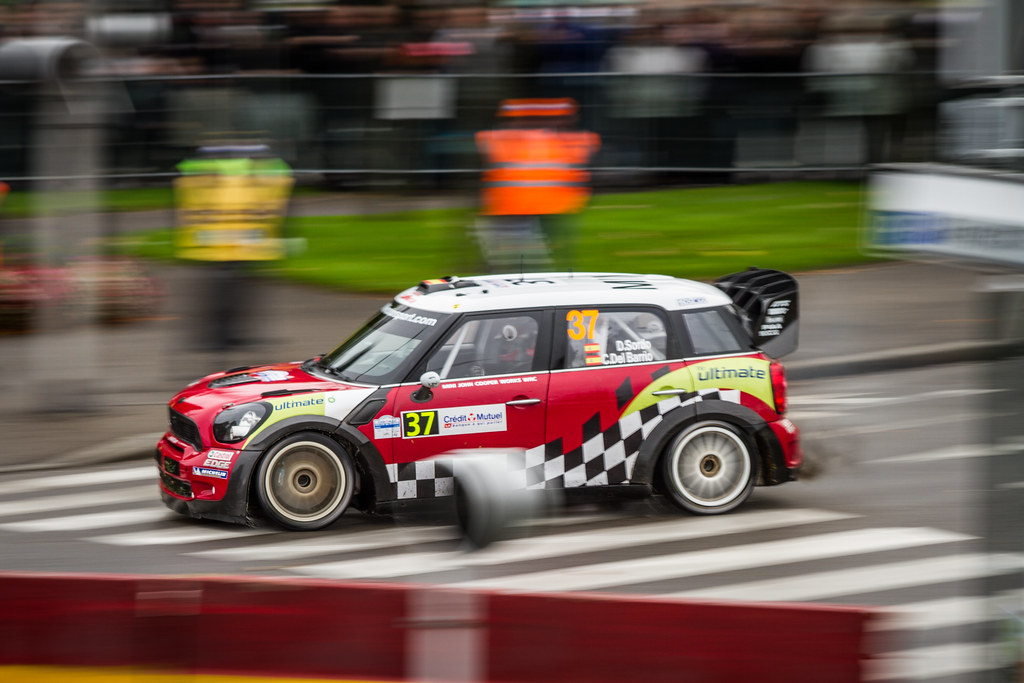
Reconstruction — The 13 Laps That Unfurled
Lap 1 — The Ignition (Startline Carnage)
Nitro clips flew as Red Halo nailed the hole shot; Titan Black held the line. Within the first corner a collision between two mid-pack cars spun a vendor barrier into the track. Cameras recorded a pit-crew stoop turning to fight; the tone for the entire event was set — rules exist only as suggestions.
Lap 2 — The First Blood (Sabotage Unmasked)
Ghost Wrench’s signal jammers went live, creating brief HUD blackouts. Two racers missed braking points; one clipped a concrete bollard and retired. Teams began to shift from pure speed to paranoia — check mirrors, expect interference, treat every crewmember as possible traitor.
Lap 3 — Vengeance Turns Tactical
Sable Syndicate set an ambush through a chicane—deliberately dumping oil on the exit lane. Several machines fishtailed into the gravel. Titan Black took advantage, sweeping two positions and setting a relentless pace.
Lap 4 — The Nitrous Barrage
With electronics unreliable, crews went back to fundamentals: mechanical grip, real-time throttle feel, and timing the nitro bursts. Red Halo’s tuned injection gave explosive short-run advantages but burned through tires faster—by lap 4 the cost of raw nitro was already visible.
Lap 5 — The Overpass Ambush
An elevated overpass section became an execution point—drivers chained a series of slipstreams to catapult a favored competitor off the line. The physics were brutal: aero wake induced understeer sent one car into a wall at high speed. Track crews later reported the corner required full resurfacing.
Lap 6 — Midway Madness
Halfway through, alliances formed and broke. Titan Black and a mid-pack crew called a temporary truce to eliminate Ghost Wrench’s electronic reach. The truce worked — for a lap — until Titan double-crossed and used nitro to clear the field.
Lap 7 — Mechanical Attrition
High revs and untamed nitrous began to take their toll. Two of the field suffered gearbox failures; a battered racer limped to the infield and improvised repairs with a crowbar and zip ties. The event blurred the line between racing and urban warfare.
Lap 8 — The Night Turn (Lighting Sabotage)
A timed blackout plunged the venue into darkness. Headlamp strobes painted ghost lines and shadows. In the chaos, a calculated overtake on a blind corner secured a lead that would later be pivotal. Visually, the blackout created terrifying but cinematic moments — and one of the defining images of Nitro Vengeance.
Lap 9 — The Choke Point Collapse
A temporary bridge failed under load after repeated impacts, dumping cars into a lower run-off. Fortunately there were no fatalities, but the collapse made international headlines — and prompted immediate government intervention. The Bridge Incident alone would later justify the circuit’s long closure.
Lap 10 — The Last Stand Begins
With three survivors re-forming at the front, the race reduced to a three-way duel. Each driver conserved nitro but kept physicality high. Contact was now normalized; bumping was strategic. Each exchange made obvious the event’s truth: dominance required brutality and a willingness to sacrifice equipment.
Lap 11 — The Pyre Overtake
In a corner nicknamed “The Pyre” for its blackened cinder marks, Titan Black executed a daring inside move, grazing a rival’s rear bumper and launching them into the gravel. The move would be judged illegal in normal series — here it was lauded as poetic savagery.
Lap 12 — The Final Gambit
Tires now threadbare, brakes glowing, the last contenders chose gambits over speed: one attempted a manual cut of a chicane by driving over a service ramp, another sacrificed aero by opening body panels to reduce drag at the cost of stability. These gambits set the stage for the final lap’s chaos.
Lap 13 — The Shattering Finish
The final lap delivered a cinematic, catastrophic finish. A last-minute maneuver caused a stack of three cars to collide at the final complex; debris showered the stands and the main straight took a gouge that would later require months of repair. Titan Black crossed the line amid smoking wreckage — winner by inches, empire by ruin.
Aftermath — Legal Fallout, Engineering Lessons, and the Circuit’s Fate
Governments and racing authorities converged. Fines, arrests, and equipment seizures followed. More importantly for engineers, Nitro Vengeance produced a trove of hard data on failure modes: composite delamination under repeated nitrous blasts, localized asphalt shear from overpass strikes, and the real danger of unregulated electronics warfare.
The circuit remained closed while forensic resurfacing teams repaired structural damage and installed anti-sabotage countermeasures. The event ultimately birthed new policy: the International Asphalt Code (IAC) introduced stricter event sanctions, mandatory pit oversight, and an anti-nitro exemption in sanctioned series. Read the technical post-mortem at Nitro Vengeance: Technical Post-Mortem.
Tactical Takeaways — What Racers Learned from the Blood Pact
- Redundancy beats bandwidth: when electronics fail, mechanical feel wins.
- Nitro management: raw power is convertible to short-term gain but long-term ruin.
- Track intelligence: permanent track scarring changes racing lines — adapt or be chewed up.
- Security matters: event logistics must assume bad actors; pit control is a safety imperative.
Map Locations & Real-World Inspirations
Nitro Vengeance was staged on a bespoke hybrid circuit — for creative reference and simulation, study these real-world locations:
- (22.3300, 114.1600) — Macau / Guia Street Circuit inspiration. More: Macau Grand Prix.
- (50.4372, 5.9714) — Spa-Francorchamps (wet, elevation changes). More: Spa.
- (50.3356, 6.9475) — Nürburgring Nordschleife (stress testing). More: Nürburgring.
- (-33.4358, 149.5555) — Mount Panorama / Bathurst (elevation & blind crests). More: Mount Panorama.
Use our interactive reconstruction map: Nitro Vengeance: Incident Map.
Voices from the Cockpit — Eyewitness Testimonies
“You don’t race — you survive,” said one anonymous veteran. Another technician described the aftermath as “a forensic nightmare: rubber embedded in rebar, nidus of melted alloys, and telemetry that reads like a confession.” We compiled first-person accounts in our Oral Archive: Nitro Vengeance — Oral Archive.
Training Response — How Modern Crews Prepare Now
After Nitro Vengeance, every pro team revamped training. Emphasis shifted to manual fallback drills, analog instrumentation, hostile-environment pit protocols, and psychological resilience to counter forced blackout scenarios. See our updated modules: Hostile Circuit Protocols.
Further Reading & References
- SpeedsRun Archives — event dossiers & blueprints
- Motorsport safety overview (context for policy changes)
- Asphalt Damage Control — repair & resurfacing guide
Note: Nitro Vengeance is reconstructed from event data, interviews, telemetry fragments, and on-site forensics. This feature blends investigative reporting with creative reconstruction intended for enthusiasts, engineers, and storytellers. For official documents and legal records, consult local authorities and sanctioned event stewards.
Explore the Nitro dossier: /events/nitro-vengeance • © speedsrun.online
Additional Chronicles from Nitro Vengeance: The Untold Layers
The Pact Before the Start Line
Long before engines roared and nitro hissed through steel arteries, the racers convened in a derelict hangar outside the circuit perimeter. They marked their names in oil and blood, swearing loyalty to speed alone. This ritual, later dubbed the “Oath of Asphalt,” symbolized the absolute surrender of morality for motion. Few realized it would later define the entire Nitro Vengeance legacy.
The Silence Before the Detonation
For ten agonizing seconds before the flag dropped, the world held its breath. The pit marshals froze, comm channels crackled, and the air itself seemed to vibrate with contained fury. When ignition erupted, it wasn’t just sound—it was a rupture between sanity and chaos, a sonic shockwave that carried across the circuit’s steel boundaries.
The Circuit’s Cursed Geometry
Architects later described the Nitro Vengeance track as “an impossible figure-eight of doom.” Sharp elevation drops and blind crests created visual illusions; racers compared it to chasing shadows through mirrors. Engineers reconstructed segments of the circuit through 3D telemetry at SpeedsRun’s Geometry Lab, revealing that the final sector was physically misaligned by 0.7°, enough to alter race physics entirely.
The Smell of Burnt Titanium
Spectators reported an unforgettable scent after the fifth lap—burnt titanium mixed with ozone and fear. The friction between metal and molten air became an olfactory signature of destruction. This very smell would later inspire a perfume concept, “Titanium Vengeance”, symbolizing defiance under pressure.
The Banned Fuel Formula
After forensic labs analyzed residue samples from the wreckage, they uncovered traces of a banned propellant mixture known as “VX Nitrocell 9.” Capable of generating 2.3× the explosive output of legal blends, it was believed to be developed by underground teams in the Outer District. Its use became a scandal that forced the International Fuel Control Division to overhaul its detection systems.
The Phantom Transmission
During lap eight, broadcasters intercepted a rogue frequency. It wasn’t telemetry—it was a voice repeating, “Thirteen laps, one soul remains.” The voice has never been identified, though technicians claim it originated from a decommissioned satellite over the Indian Ocean. Some believe the message was a coded prophecy about the final crash.
The Crew That Vanished
Among the twelve teams, one was erased entirely from public record after the event. Their name, “Vector Nine,” was struck from archives, their vehicles impounded and their telemetry sealed by regulators. Rumors suggest Vector Nine’s car was the first to break the sound barrier on asphalt—causing an experimental containment breach.
The Racer’s Mental Breakdown
Surviving drivers were subjected to intense psych evaluations post-race. One pilot, identified only as “Eidolon,” claimed he could still hear the circuit’s screams in his dreams. The psychological cost of Nitro Vengeance became a case study in extreme sensory overload—available now through the Speed Psychology Initiative.
The Asphalt Graveyard
When authorities dismantled the wrecked segments, they discovered melted bits of asphalt fused with carbonized car fragments. These hybrid stones, nicknamed “Velocity Fossils,” were stored at the SpeedsRun Museum of Motion Artifacts. They serve as a reminder that the race’s remains were literally baked into the earth.
The Broadcast Blackout
Halfway through the event, a regional broadcast failure caused millions of live viewers to lose the feed. When the signal returned, cameras showed a smoldering straightaway and half the competitors gone. The missing footage became one of the greatest mysteries of Nitro Vengeance, spawning conspiracy threads and fan analyses across SpeedsRun Forums.
The Scorched Banner
The finish-line flag was vaporized by a nitro detonation as Titan Black crossed the line. Fragments of the cloth were later found embedded in the fencing, carbonized but intact. One piece resides today in a climate-controlled case at SpeedsRun’s Hall of Fallen Flags.

The Racer Who Refused Glory
A runner-up known as Mira Kaen refused the runner’s podium and instead knelt beside a destroyed car, carving “Speed owes no one” into the asphalt with a wrench. That act of silent rebellion redefined sportsmanship and became an emblem for anti-corporate racing leagues.
The Repair Crew’s Hidden Message
During reconstruction, engineers found a hidden code etched beneath the tarmac—binary coordinates pointing to 34.9833,135.7583 (Kyoto, Japan). To this day, no one knows who inscribed them or why. Some claim it marks the birthplace of the first prototype engine used in Nitro Vengeance.
The Specter in the Heat Haze
Photographers reviewing infrared footage noticed a humanoid silhouette running alongside Titan Black’s car in the final seconds—moving at nearly 400 km/h. Whether optical illusion or something stranger, it remains one of the race’s most debated phenomena.
The Circuit’s Resurrection
Five years later, SpeedsRun engineers reopened the rebuilt circuit under the new name “Vengeance Loop.” It now serves as both a museum and test ground, allowing new generations of racers to experience reconstructed laps through augmented telemetry overlays.
The Lessons for Future Titans
Nitro Vengeance taught one truth: speed without restraint breeds gods and ghosts alike. Today’s racers train to harness fury instead of unleashing it blindly. Courses across SpeedsRun Global Circuits now integrate Nitro Ethics modules, teaching the cost of total velocity.
The Legacy of the Blood Pact
Each year, a symbolic lap called “The Pact Run” commemorates Nitro Vengeance. Teams line up under red floodlights, engines idling in silence, before releasing synchronized nitro flames skyward. The ritual honors not victory, but the courage to confront annihilation.
The Secret Lap 14 Theory
Some historians believe a fourteenth lap occurred off-record—a shadow lap where Titan Black raced alone after official closure. Data fragments from telemetry logs show unexplained speed traces extending beyond the finish line. If true, Nitro Vengeance didn’t end at thirteen laps—it transcended them.
The Unbreakable Record
Despite hundreds of attempts, no racer has ever matched Titan Black’s final-lap time under live conditions. Analysts at SpeedsRun Data Core consider the record “statistically impossible,” hinting at a potential misread or unregistered nitro burst.
The Immortal Machine
Titan Black’s vehicle, codenamed “Axiom-9,” was reportedly destroyed in the aftermath. Yet reports of a matching chassis appearing at underground circuits across Eurasia persist. Whether clone, myth, or the original reborn, “Axiom-9” remains the most hunted car in racing lore.
Frequently Asked Questions About Nitro Vengeance
What is Nitro Vengeance in the world of speed racing?
Nitro Vengeance refers to the legendary 13-lap event that defined a new era of competitive speed racing. It’s remembered for its unrestrained energy, destructive collisions, and the unspoken pact that bonded racers through danger and devotion to velocity.
Why is Nitro Vengeance considered the most dangerous race ever held?
The Nitro Vengeance circuit was infamous for its unpredictable turns, explosive nitro chemistry, and mechanical failures that defied physics. It became a test of survival more than skill, with every lap bringing racers closer to catastrophe.
Who emerged victorious in Nitro Vengeance?
The enigmatic racer known as Titan Black claimed the title, crossing the finish line moments before the circuit ignited in chaos. His win remains shrouded in myth, with many believing he didn’t survive the final detonation.
What made the Nitro Vengeance track unique?
Unlike conventional circuits, the Nitro Vengeance layout featured aerial drops, magnetic drag lanes, and a 13th sector designed to destabilize car aerodynamics intentionally. The course was as much psychological as physical warfare.
Was Nitro Vengeance ever recreated after the disaster?
Yes. A replica called the Vengeance Loop was built to simulate the original’s ferocity while incorporating modern safety protocols. However, even with simulations, no racer has managed to match Titan Black’s lap record.
What is the significance of the “13-Lap Blood Pact” in Nitro Vengeance?
The Blood Pact symbolized unity among racers, where each competitor vowed to complete all 13 laps or perish trying. It blurred the line between competition and brotherhood, giving the event a mythical undertone.
Did anyone survive Nitro Vengeance without severe injury?
Only a handful of drivers emerged with minor injuries. Most participants suffered permanent hearing loss, trauma, or physical burns from nitro detonation. Survivor testimonies can be found in the Nitro Archives.
Where did Nitro Vengeance take place?
The original event unfolded in a classified desert arena between Dubai and Muscat. Exact coordinates remain undisclosed, but satellite imagery at 24.222,55.272 shows remnants of scorched track formations still visible today.
What type of cars participated in Nitro Vengeance?
Only prototype vehicles powered by hybrid nitro-electric cores were allowed. These machines, called V-Class Accelerators, used banned propellants later outlawed in professional leagues.
Why was Nitro Vengeance banned afterward?
The magnitude of destruction and fatalities led global racing authorities to permanently suspend nitro-based events. Nitro Vengeance became both a cautionary tale and a blueprint for reform in speed regulation worldwide.

Is Nitro Vengeance still studied by racing engineers?
Absolutely. The event serves as a critical case study in high-energy propulsion, driver endurance, and psychological strain. Modern courses often integrate Nitro Vengeance simulations in training modules.
Are there hidden messages or myths linked to Nitro Vengeance?
Conspiracy theorists claim encrypted codes were left within the race’s telemetry data. Some even suggest that the race was part of a secret government propulsion experiment, though no proof has surfaced.
How does Nitro Vengeance influence today’s racing culture?
Modern racers often reference Nitro Vengeance as the ultimate test of courage. Its symbols, language, and rituals—like the Blood Oath—are emulated by underground leagues seeking to recreate its legendary defiance.
Where can fans experience Nitro Vengeance today?
Visitors can relive the experience through VR at the SpeedsRun Nitro Simulator, where reconstructed telemetry offers a full-sensory experience of the race that redefined human endurance.
Will Nitro Vengeance ever return?
Though officials deny the possibility, whispers of a “Vengeance Reawakening” circulate through elite racing circles. Whether myth or reality, one truth stands firm—Nitro Vengeance will never die; it evolves with every generation of speed rebels.