Motorcycle Mastery:
Why 200 MPH Matters
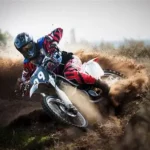
Reaching 200 mph on a motorcycle is more than a statistic — it’s a rite of performance. At that speed, every vibration, gyroscopic force, and micro-input becomes magnified. It stands as a benchmark of engineering, rider prowess, and faith in machine.
For many superbikes and hyperbikes, 200 mph is the practical limit of top speed — where power, drag, gearing, and stability intersect. See comparative tests at sites like Motorcycle.com and VisorDown.
Machine Design for High-Speed Triumph
To survive 200 mph, a bike must be a symphony of engineering choices: ultra-light frames, aerodynamic fairings, high RPM powerplants, and stability aids. Components like steering dampers, dual-axis suspension, and robust cooling systems become indispensable.
Manufacturers often borrow from aero design — wind-tunnel testing, winglets, and drag reduction measures mirror innovations in motorsport and automotive. Read about moto engineering insights at Cycle World.
Gear & Resources
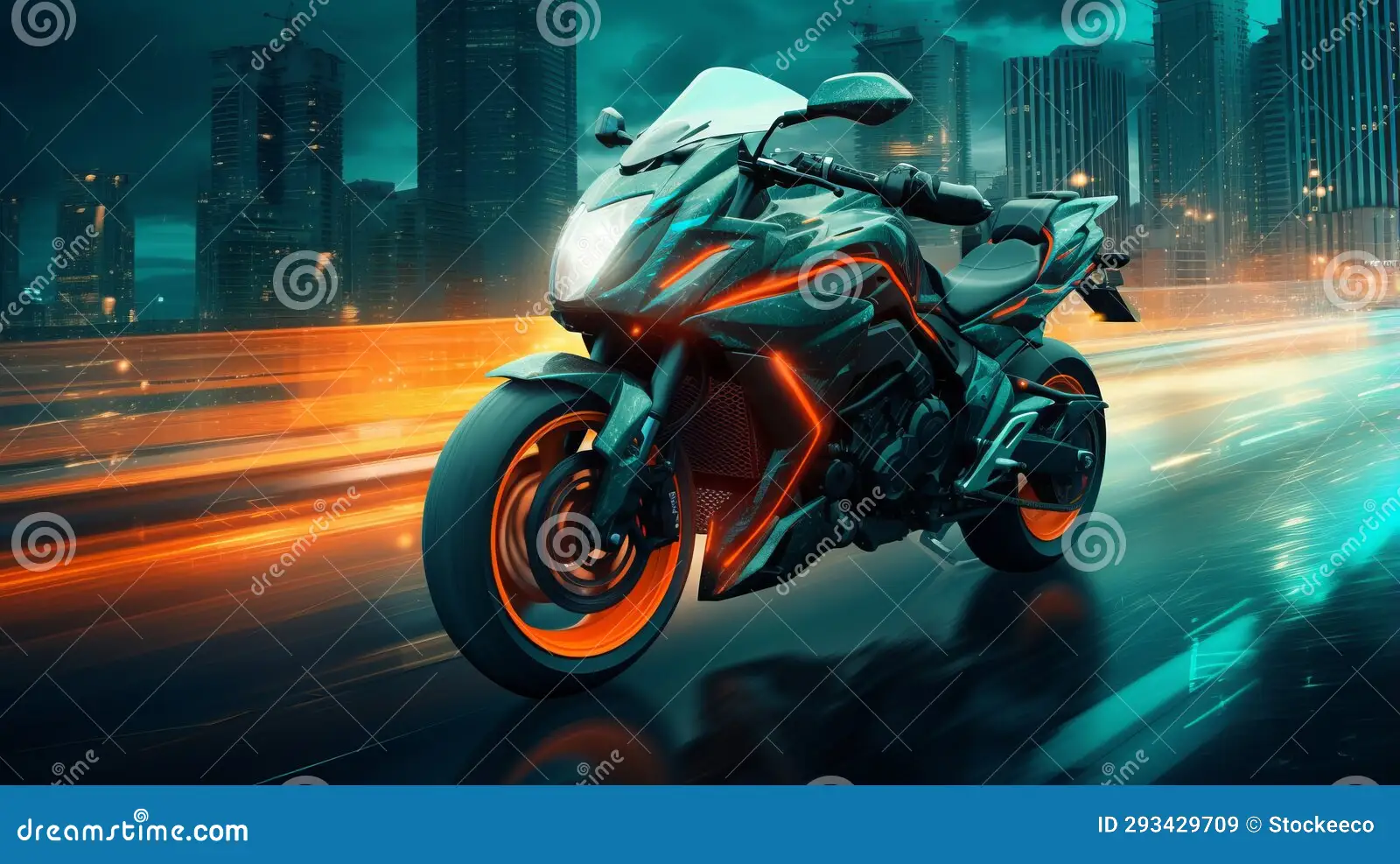
Rider Technique: Stability, Lean & Trust
Controlling a bike at 200 mph requires micro-precision. The rider must manage body posture to reduce drag, use throttle control to prevent pitching, and trust the feedback through handlebar and foot controls. Slight corrections are magnified; overcorrection can mean catastrophe.
Motocross and road racers alike hone throttle feel, cadence, and aerodynamic tuck to achieve this mastery. Some top riders use simulators to adapt to wind and vibration before hitting the track.
Map Locations: Where Legends Ride
Here are three real places where top-tier bikes approach or surpass 200 mph — fantastic locations for pilgrimage or comparison. Embedded maps help you plan your route.
https://www.openstreetmap.org/export/embed.html?bbox=6.9318%2C50.3215%2C6.9718%2C50.3615&layer=mapnik&marker=50.341486%2C6.951848 https://www.openstreetmap.org/export/embed.html?bbox=-121.7749%2C36.5677%2C-121.7350%2C36.6078&layer=mapnik&marker=36.587759%2C-121.754951 https://www.openstreetmap.org/export/embed.html?bbox=-122.6750%2C45.5160%2C-122.6350%2C45.5560&layer=mapnik&marker=45.5360%2C-122.6550
Top: Nürburgring Nordschleife (Germany) — timeless proving ground. Middle: Laguna Seca (USA) — significant in bike racing history. Bottom: Portland International Raceway (USA) — long high-speed stretches ideal for bench testing.
Safety & Gear: Protecting the Daredevil
At extreme speed, safety becomes existential. Riders use full race leathers, carbon-fiber helmets, airbags built into suits, and reinforced boots and gloves. Every bit of gear is tested beyond standard certification limits.
Manufacturers publish performance data — see certification standards at SAE International and advanced gear design articles on Cycle World Safety Features.
Audio & Telemetry: Capturing the Frenzy
To document a 200 mph run, record multi-channel data (RPM, throttle, lean angle) and cockpit audio (engine roar, wind, chain). This layered record becomes a teaching tool and a visceral playback of velocity.
Riders can upload their runs via Run Submission for analysis or feature on speedsrun.online.
Maintenance Rituals: Keeping the Beast Alive
High-speed abuse demands scrupulous maintenance. Chain tension, fluid changes, tire wear, and frame inspection must be more frequent. Many teams treat a 200 mph test like a race, with pit-level checklists before and after.
Factory service manuals and tuning guides (e.g. from Yamaha, Ducati) provide intervals and tolerances.
Legendary Machines That Touched 200 MPH
Bikes like the Suzuki Hayabusa, Kawasaki Ninja H2R, and Ducati Panigale V-series have all flirted or surpassed 200 mph in ideal conditions. Each carries engineering lessons in aerodynamics, cooling, and chassis strength.
Magazine reviews and speed tests (e.g. on Motorcycle News, Cycle World) document those achievements.
Your Turn to Blaze
Dream to ride 200 mph? Plan in stages: track days, data logging, gear upgrades, and coaching. Contact us via Contact to get a personalized checklist or a mentorship lap with experienced riders.
Submit your run to be featured or analyzed: Submit Your Run.
Sources & Further Reading
- Motorcycle.com — performance & reviews
- Cycle World — engineering insight
- SAE International — standards & research
- OpenStreetMap — global map platform
© speedsrun.online — All rights reserved. Use of external links does not imply endorsement.
The Science of Adrenaline and Focus
At 200 mph, the human brain enters a hyper-focused state, narrowing perception and slowing the sense of time. This biological response — a surge of adrenaline and dopamine — enhances reflexes and tunnel vision, allowing riders to process information at extraordinary speeds.
Studies from institutions such as ScienceDirect suggest that this “flow state” is similar to what elite athletes experience during peak performance, making it both intoxicating and addictive for speed enthusiasts.
The Sound of Speed: Engineering the Roar
The acoustic profile of a motorcycle traveling at full throttle is as iconic as its design. Every engine, from the inline-four to the V-twin, produces a distinct signature note — a blend of exhaust tuning, pipe length, and combustion frequency.
Engineers at RideApart detail how tuned exhaust systems can reduce turbulence and improve mid-range torque while amplifying the auditory thrill that riders crave.
Breaking the Barrier: Wind Resistance and Human Endurance
At 200 mph, air pressure becomes a wall of invisible force. The rider’s helmet, suit, and even elbow angle determine aerodynamic efficiency. Without a precise tuck, drag can sap dozens of horsepower and destabilize the chassis.
Aerodynamic modeling and computational fluid dynamics (CFD) are now as vital to bike design as engine mapping. Manufacturers like Kawasaki and Ducati rely on software simulations before physical prototypes are even built.
Digital Racecraft: Data at 200 MPH
Modern motorcycles are computers on wheels. From traction control to lean-angle sensors and GPS telemetry, each component feeds live data to optimize stability. Data logs from professional runs can later be reviewed using analysis tools like AIM Race Studio and MotoGP telemetry systems.
Learn more about telemetry and race data at MotoGP.com and discover how elite riders use analytics to perfect every millisecond of their run.
Track Psychology: The Mind Behind the Machine
Every great racer knows that courage without control is chaos. Mental training has become as important as physical conditioning. Visualization, breathing control, and repetition help riders overcome fear, allowing instinct to take over at high speed.
Sports psychologists like those featured on Psychology Today have documented how mental rehearsal can improve reaction time and emotional resilience under pressure.
The Future of Electric 200 MPH Bikes
Electric superbikes are rewriting what “200 MPH” means. With instant torque and zero lag, models like the Lightning LS-218 and the Energica Ego+ are redefining acceleration benchmarks once thought impossible for battery-powered machines.
As charging infrastructure improves, expect to see more electric models dominating the speed charts. For updates on e-bike evolution, check Electrek and InsideEVs.
Training Schools That Teach Extreme Speed
Not every rider can simply jump on a hyperbike and aim for 200 mph. Schools like the California Superbike School and Yamaha Champions Riding School provide structured programs that teach braking precision, throttle control, and corner discipline.
Visit California Superbike School for real-world training programs. You can also explore upcoming local events on speedsrun.online/tracks.
Fuel Technology: Powering the Blaze
Specialized fuels — often with high octane ratings and oxygen additives — give riders the edge they need for extreme acceleration. At 200 mph, even a small increase in fuel efficiency can mean several extra miles per hour in top speed.
Advanced fuel research from Shell V-Power and BP Ultimate continues to shape the future of racing performance.
Helmet Innovation: The Science of Protection
Today’s racing helmets use carbon fiber and multi-density EPS foams to absorb energy from high-speed impacts. Integrated heads-up displays and Bluetooth systems allow real-time data visualization without distracting the rider.
For technology updates on helmet advancements, visit RevZilla Common Tread or compare safety ratings at SHARP Helmet Ratings.
Night Runs: The 200 MPH Challenge After Dark
Riding at 200 mph under moonlight amplifies every sense. Visual depth is reduced, forcing reliance on instinct and road familiarity. Many test pilots perform controlled night runs to train their sensory adaptation.
For those intrigued by the art of night racing, explore lighting system upgrades in our Lighting Gear Guide or visit Autoblog’s night-vision tech overview.
Legends Who Dared the 200 MPH Frontier
The pursuit of 200 mph has always been a proving ground for courage and innovation. Riders like Valentino Rossi and John McGuinness have redefined what human control looks like at the razor’s edge of mechanical possibility. Their records across the Isle of Man TT and MotoGP aren’t just numbers — they’re symbols of balance between chaos and mastery.
Explore more legendary riders’ profiles in our speedsrun.online/riders archive for stories of sheer audacity and discipline.
Engine Dynamics: The Beating Heart of Velocity
At 200 mph, engines transform from mechanical devices into symphonic instruments of fury. Every piston stroke, every valve opening is synchronized with surgical precision. Liquid cooling systems, forged crankshafts, and titanium connecting rods allow sustained revolutions well above 13,000 RPM.
For a deeper look at internal combustion evolution, read the engineering papers hosted on SAE International, where future high-performance combustion models are already taking shape.
Global Circuits That Host 200 MPH Dreams
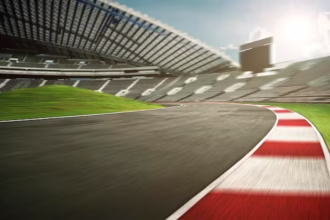
Around the world, a handful of tracks offer the space and safety for such extraordinary speed. Circuits like Circuit de Barcelona-Catalunya, Phillip Island, and Circuit of the Americas are sanctuaries for velocity — wide asphalt runways engineered for both man and machine.
View on map: Circuit de Barcelona-Catalunya
Suspension Science: Taming Turbulence
At blistering speeds, even the smallest bump can disrupt equilibrium. Advanced suspension systems like Öhlins TTX and Showa Balance Free Forks counteract the violent oscillations caused by track imperfections. Adjusting rebound damping and preload isn’t just about comfort — it’s survival at 200 mph.
Visit Öhlins Racing for a look at the most advanced suspension technologies used in MotoGP and WSBK.
Braking Power: Stopping the Storm
To decelerate from 200 mph to zero in seconds requires more than courage — it demands technological excellence. Brembo carbon discs, radial calipers, and cornering ABS systems make the impossible feel effortless. Yet, thermal fatigue and brake fade are constant adversaries.
Explore our Brake System Buyer’s Guide or dive into Brembo’s engineering archive for professional insights.
Aerodynamic Advancements in Modern Superbikes
With wings, ducts, and diffusers becoming standard, aerodynamics has moved from F1 to two wheels. Ducati’s Panigale V4R and Kawasaki’s ZX-10RR deploy electronically adjustable winglets that stabilize bikes under full acceleration.
The science behind aerodynamic downforce is explored in detail on Motorcycle News, revealing how subtle bodywork tweaks improve lap times and rider safety.
RPM Revolution: Where Power Meets Madness
The difference between 14,000 and 15,000 RPM might sound minimal, but it defines the boundary between mechanical endurance and catastrophic failure. Each revolution carries explosive power — heat, vibration, and torque all peaking simultaneously.
Our RPM Tuning Guide offers practical setups for riders fine-tuning performance without compromising durability.
Rider Gear: The Armor of Velocity
Racing suits crafted from kangaroo leather, reinforced gloves with carbon armor, and D-air vests form the rider’s last line of defense. At 200 mph, a quality suit is not luxury — it’s survival.
Learn about certified protective equipment at Dainese and explore our Safety Gear Directory.
Approaching the Sound Barrier on Two Wheels
Although no production motorcycle has reached the speed of sound, the physics involved offer an intriguing glimpse into what might come. Wind compression and drag coefficients rise exponentially, making every increment of speed exponentially harder to achieve.
For an in-depth analysis of aerodynamics and supersonic potential, visit NASA’s fluid dynamics research.
Pit Strategy and Data Analytics in Professional Racing
Behind every world-class rider is a team of engineers tracking fuel mix ratios, tire temperature, and live sector timing. Pit analytics have evolved into real-time AI-assisted systems capable of predicting tire degradation and performance shifts mid-race.
Discover how teams integrate machine learning into motorsports through Formula1.com’s technology features.
Racing Against the Climate Challenge
As temperatures soar globally, track surfaces are reacting differently — rubber adhesion, tire degradation, and coolant performance are being tested like never before. Sustainable fuels and cooling fluids are now a necessity, not a choice.
See FIA Sustainability Initiatives and how organizations are committing to carbon-neutral racing by 2030.
The Dawn of the Hyperbike Era
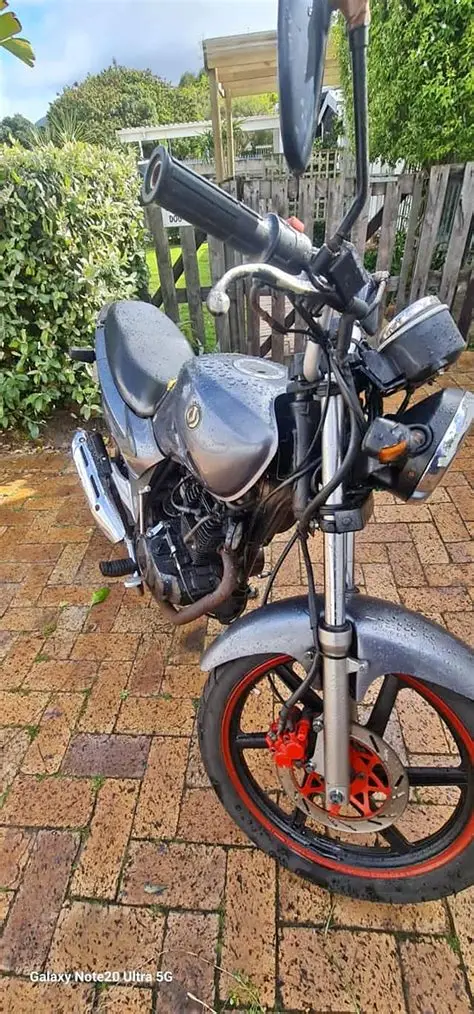
The hyperbike era has arrived — machines like the Kawasaki H2R and Suzuki Hayabusa now challenge the boundaries of mechanical comprehension. Their ability to merge high-speed aerodynamics with digital control marks a new chapter in human speed evolution.
Compare specs and dyno charts in our Hyperbike Comparison Review.
Urban Speed: Controlled Chaos in the Cityscape
Street riders often adapt racetrack discipline for the unpredictable terrain of cities. Reflexes sharpen, awareness heightens, and every intersection becomes a mental challenge. However, urban high-speed riding demands restraint more than aggression.
Learn about safe street performance tuning at Cycle World.
Fuel Efficiency in High-Speed Scenarios
Efficiency might seem trivial at 200 mph, but every drop counts. Advanced injectors, ECU remapping, and ethanol-blend optimization allow top-tier bikes to deliver both blistering acceleration and endurance in one setup.
Explore ECU tuning techniques in our Fuel Mapping Workshop.
Desert Runs: The 200 MPH Mirage
Vast open plains, low humidity, and minimal wind resistance make deserts the ultimate testbed for speed records. The Bonneville Salt Flats and Dubai-Al Qudra stretch remain symbols of unfiltered freedom.
View on map: Bonneville Salt Flats
Underground Speed Culture
Beyond official circuits lies an underground world of speed chasers — night riders on abandoned highways testing the limits of man and machine. While illegal and dangerous, this subculture has inspired art, film, and even safety innovation.
For a cultural deep dive, visit VICE and explore their documentaries on underground motor scenes.
Future Vision: The 250 MPH Dream
As materials like graphene and carbon nanotubes become standard, 250 mph may soon shift from fantasy to fact. With AI-assisted balancing systems and adaptive aerodynamics, the next generation of superbikes may challenge what we define as “rideable.”
Keep an eye on innovations covered by TechRadar and our Future Tech Reports.
26 FAQs – Focus Keyword: “Motorcycle Mastery”
1. What does “Motorcycle Mastery” truly mean at 200 MPH?
“Motorcycle Mastery” represents the perfect union of mind, machine, and motion — where every decision is instinctive and precision defines survival. Riders who achieve this level of skill are in full command of their bike’s power and aerodynamic potential.
2. How do professional racers develop Motorcycle Mastery?
Professional racers hone their “Motorcycle Mastery” through thousands of hours of training, mental conditioning, and track simulations. Elite programs such as the California Superbike School specialize in developing these advanced riding techniques.
3. What physical conditioning supports Motorcycle Mastery?
Core strength, reflex training, and cardiovascular endurance are crucial. Riders often engage in high-intensity interval workouts and neck-strength routines to handle G-forces at extreme speeds.
4. Is Motorcycle Mastery about speed or control?
While speed is thrilling, true “Motorcycle Mastery” lies in balance and control. Managing lean angles, throttle finesse, and brake modulation separates skilled riders from reckless ones.
5. How does technology assist Motorcycle Mastery?
Modern bikes are equipped with traction control, electronic suspension, and adaptive aerodynamics — all tools that enhance “Motorcycle Mastery.” Learn about the latest systems on RideApart.
6. Which motorcycles best represent Motorcycle Mastery today?
Icons like the Kawasaki Ninja H2R, Ducati Panigale V4R, and BMW M 1000 RR are benchmarks of Motorcycle Mastery — combining raw horsepower with precision handling.
7. Can beginners achieve Motorcycle Mastery?
Yes, with proper mentorship and gradual learning. Beginners should start with mid-range sportbikes before advancing to high-performance machines. See our guide at speedsrun.online/beginner-bikes.
8. What role does aerodynamics play in Motorcycle Mastery?
At 200 mph, aerodynamics dictate stability. Riders must perfect their tuck position and rely on fairing design to reduce drag and maintain downforce.
9. How important is mental focus in Motorcycle Mastery?
It’s everything. Elite riders practice mindfulness, visualization, and tactical anticipation to maintain peak concentration during races. Explore mental training insights at Psychology Today.
10. What is the connection between Motorcycle Mastery and racing circuits?
Legendary tracks like Isle of Man TT and Circuit de la Sarthe have become proving grounds for Motorcycle Mastery, testing precision and endurance simultaneously.
11. How can weather conditions affect Motorcycle Mastery?
Rain, humidity, and temperature dramatically alter tire grip and engine response. Mastery means adapting instantly to environmental changes without losing rhythm.
12. How does Motorcycle Mastery translate to road safety?
Riders trained in Motorcycle Mastery have heightened spatial awareness and reaction time, making them safer even in daily street conditions.
13. Can Motorcycle Mastery be achieved without racing?
Yes. Many riders reach mastery through touring, track days, and long-distance endurance rides. Mastery is about consistency and discipline, not competition.
14. What are the best online resources to learn Motorcycle Mastery?
Platforms like RevZilla Common Tread, Motorcycle.com, and speedsrun.online/tutorials offer expert riding insights.
15. How do tires contribute to Motorcycle Mastery?
Tire pressure, compound, and temperature management are critical. Riders monitor tire data every lap to maintain ideal traction under extreme forces.
16. What safety gear supports Motorcycle Mastery?
High-performance suits, gloves, boots, and helmets are non-negotiable. Innovations like Alpinestars’ Tech-Air system elevate safety while maintaining mobility.
17. Is Motorcycle Mastery measurable?
Yes — through telemetry data, lap consistency, and biomechanical analysis. Track sensors and rider analytics tools from AIM Technologies help quantify performance.
18. How does Motorcycle Mastery influence fuel efficiency?
Efficient throttle management and gear timing reduce drag and fuel burn. Skilled riders achieve optimal miles per gallon even at high velocity.
19. What are the psychological risks of pursuing Motorcycle Mastery?
The adrenaline rush can be addictive. Experts recommend balancing track excitement with mindfulness and recovery techniques.
20. How do electric motorcycles fit into Motorcycle Mastery?
Electric superbikes like the Lightning LS-218 redefine mastery with instant torque and zero delay. Learn more at Electrek.
21. Does Motorcycle Mastery involve teamwork?
Absolutely. Behind every elite rider is a pit crew of engineers, mechanics, and data specialists fine-tuning every performance detail.
22. How do lighting systems enhance Motorcycle Mastery at night?
High-lumen adaptive lighting improves visibility and safety during night runs. Read more on lighting upgrades at speedsrun.online/gear/lighting.
23. What global events showcase Motorcycle Mastery?
MotoGP, World Superbike Championship, and Isle of Man TT are the ultimate stages where Motorcycle Mastery becomes spectacle and sport.
24. What’s the role of endurance in Motorcycle Mastery?
Long-distance endurance builds both mental and muscular resilience. Riders often train through multi-hour practice sessions to simulate fatigue resistance.
25. How do AI and sensors redefine Motorcycle Mastery?
Smart systems now predict rider behavior, adapting throttle and brake response in milliseconds. This fusion of AI and mechanics creates a new era of precision.
26. What’s the ultimate philosophy behind Motorcycle Mastery?
It’s about connection — between the rider and machine, power and peace, chaos and control. True Motorcycle Mastery isn’t about chasing limits — it’s about becoming one with them.