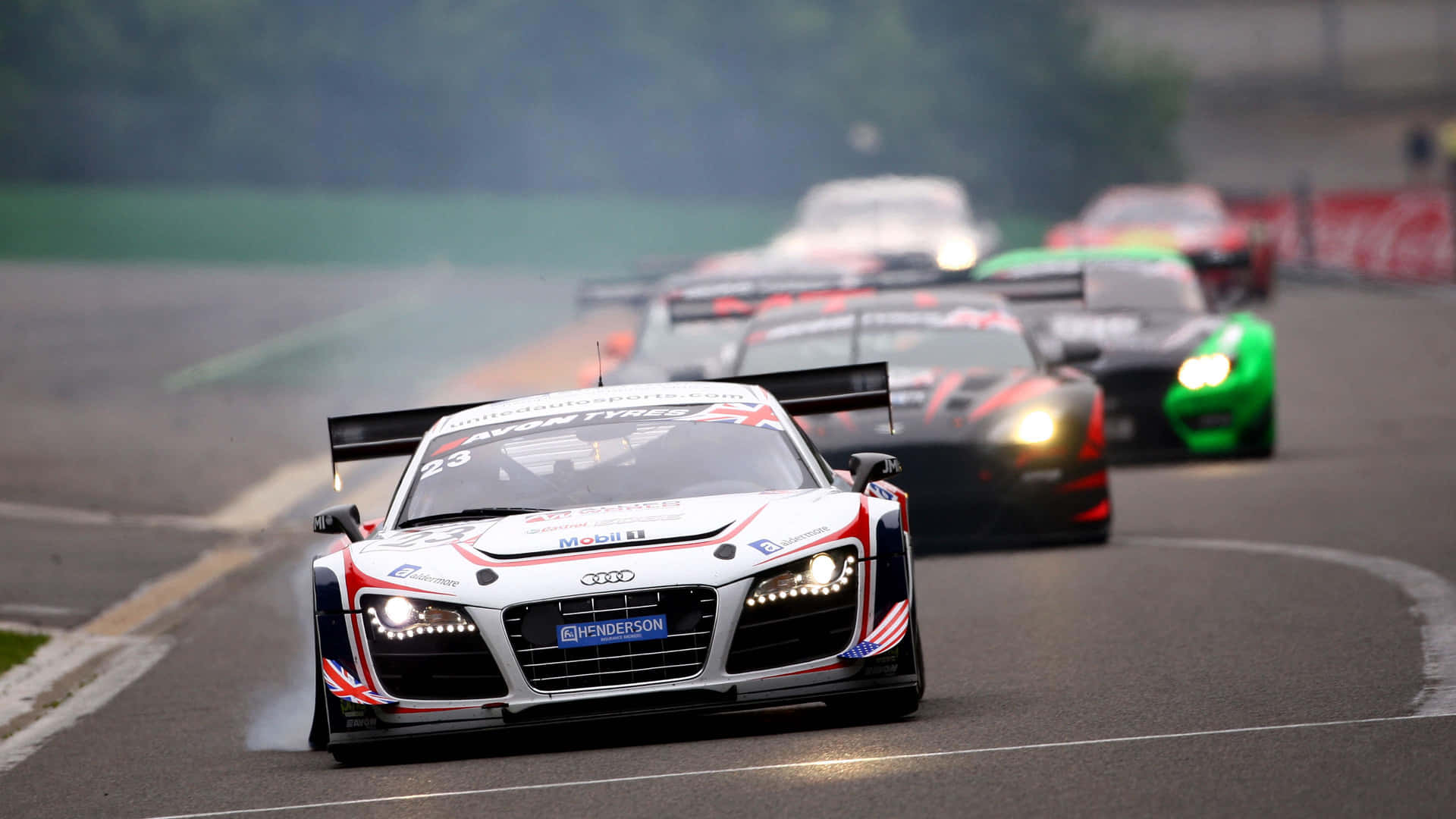
The asphalt jungle rewards bravery, split-second genius, Legendary Drivers and machines pushed to their limits. These five drivers didn’t just win races — they rewrote the rules of speed, inspired generations, and left artifacts and stories you can still visit today. Below: compact profiles, why they mattered, and map links so you can follow their tracks and museums across the globe. All Drivers | Racing History | Interactive Maps | Archives & Photos
Why the Asphalt Jungle Produces Legends
Racing is unforgiving: every corner exposes mechanical limits and human frailty. The drivers who rose above — through technique, daring, or relentless focus — became legends. They pushed car design, safety, and strategy ahead while etching unforgettable moments into racetrack lore.
Juan Manuel Fangio — The Maestro of the Golden Era
Juan Manuel Fangio dominated Grand Prix racing in the 1950s, winning five World Championships with four different teams — a feat that underlines his uncanny ability to get the best from any car. Fangio’s smooth, calculated style and mechanical sympathy made him the benchmark for racing excellence.
See his legacy: Fangio — Wikipedia · Visit the Museo Juan Manuel Fangio (Balcarce, Argentina) to see his cars and trophies: Museo Fangio — Balcarce (Google Maps).
Ayrton Senna — The Poet of Rain and Speed
Ayrton Senna combined raw speed with mystical focus. His qualifying laps and wet-weather masterclasses are the stuff of legend — especially his performances at Monaco and Donington Park. Senna’s aggressive precision and spiritual dedication made him an icon worldwide.
See his legacy: Ayrton Senna — Wikipedia · Visit Interlagos (Autódromo José Carlos Pace), the scene of many Brazilian motorsport moments: Interlagos / São Paulo (Google Maps) · Support and learn more at the Ayrton Senna Institute: Instituto Ayrton Senna.
Michael Schumacher — The Benchmark of Modern Domination
Michael Schumacher rewrote the modern era of Formula 1 with relentless work ethic, technical feedback, and a record of championships that set new standards. His successful partnership with Ferrari produced multiple Constructors’ and Drivers’ titles and shifted the sport’s competitive landscape.
See his legacy: Michael Schumacher — Wikipedia · Visit the Ferrari museums that celebrate the era he helped define (Maranello): Museo Ferrari — Maranello (Google Maps) · Or explore the Mercedes-Benz Museum for modern-era exhibits linked to his legacy: Mercedes-Benz Museum — Stuttgart (Google Maps).
Lewis Hamilton — The Modern Maestro of Pace and Persona
Lewis Hamilton’s blend of blistering speed, strategic racecraft, and relentless consistency have made him one of the most successful drivers in history. Off-track, Hamilton’s activism and style have broadened racing’s cultural reach, helping motorsport find new audiences.
See his legacy: Lewis Hamilton — Wikipedia · Visit historic British racing hubs like Silverstone (where many of Hamilton’s early milestones occurred): Silverstone Circuit (Google Maps) · Follow the Mercedes-AMG Petronas team base (for fans and news): Mercedes-AMG F1.
Stirling Moss — The Greatest Driver Never to Win an F1 Title
Stirling Moss epitomized versatility: excelling in Grand Prix cars, sports cars and endurance events. His daring overtakes and sportsmanship made him a beloved figure across decades of racing, proving mastery doesn’t always require a championship trophy.
See his legacy: Stirling Moss — Wikipedia · Visit Brooklands and Goodwood to explore the era of Moss and his contemporaries: Brooklands Museum (UK) — Museum & banking · Goodwood Motor Circuit (UK).
Where to See Their Cars and Legacy — Map Pins
Many of these drivers’ cars and memorabilia are preserved in museums and circuit halls of fame. Pin these locations on your Speedsrun Maps page or embed them with Google Maps if you want a visitor-ready guide:
- Museo Juan Manuel Fangio — Balcarce, Argentina. View on Google Maps.
- Autódromo José Carlos Pace (Interlagos) — São Paulo, Brazil (Senna history). View on Google Maps.
- Museo Ferrari / Maranello — Maranello, Italy (Schumacher era exhibits). View on Google Maps.
- Silverstone Circuit & National Motor Museum — UK (Hamilton milestones & British motorsport). View on Google Maps.
- Brooklands Museum & Goodwood — UK (historic cars and Moss heritage). Brooklands (Google Maps).
Example iframe embed you can insert into /maps (replace src with your selected pinset):
How These Drivers Changed the Sport
Beyond trophies, these drivers influenced engineering feedback loops, safety standards, racecraft strategies and public interest. Their demands on teams accelerated gearbox, tire, and aerodynamic innovations — technology that later found its way into road cars and safety systems.
Want deeper technical breakdowns? Check our related pieces: Racing Tech, Driver Profiles, and Historic Race Footage.
Further Reading & Primary Sources
Official and authoritative resources: the drivers’ Wikipedia pages (linked above), the FIA historical archives, the official museums and circuits. For audiovisual history, search the Formula 1 Archive and national motorsport museums.
Credits: driver biographies, museum collections and circuit archives. If you’d like a printable “Legendary Drivers Map Pack” (PDF) with coordinates and short bios, or an interactive embed with pins for each museum and circuit, say the word and we’ll generate it for your speedsrun.online/maps page.
© speedsrun.online — chronicling speed, history and the heroes who built it.
The Evolution of Driving Styles in Competitive Racing
Over the decades, driving techniques have evolved from instinctive control to data-driven precision. In the early years, drivers relied on mechanical feel — listening to engines and tires — while today’s champions use telemetry and simulator feedback to refine every lap. This shift demonstrates how racing continues to merge human intuition with advanced technology to achieve perfection.
The Symbiosis Between Driver and Machine
Every great racer shares one essential trait — a deep connection with their machine. Whether it was Fangio’s sensitivity to tire wear or Hamilton’s feedback on car balance, the synergy between driver and car determines race outcomes. Modern racers train not only in physical endurance but also in understanding aerodynamics and engine mapping.
The Mental Fortress of a Champion
Behind every podium finish is a mind forged through discipline and focus. The ability to stay composed under pressure — at 200 mph — separates champions from contenders. Legends like Senna and Schumacher used visualization and meditation techniques long before sports psychology became mainstream.
Teamwork: The Hidden Force Behind Every Victory
Although drivers are the face of victory, their success depends on hundreds of skilled engineers, strategists, and pit crews. A perfectly timed tire change or a bold race strategy can turn a losing race into an unforgettable win. Legendary partnerships, like Schumacher and Ferrari’s dream team, proved that championships are always collective achievements.
Training That Shapes Racing Legends
Elite drivers follow extreme fitness regimens designed to handle G-forces, mental stress, and rapid decision-making. From neck-strength exercises to reaction drills, their training rivals that of fighter pilots. Many modern racers even use virtual reality simulations to prepare for track conditions weeks before the race.
How Driver Feedback Fuels Car Innovation
Many technological advances in modern cars — paddle shifters, traction control, and hybrid systems — were first tested on racetracks through feedback from elite drivers. The collaboration between human insight and mechanical engineering continues to push performance boundaries in both motorsport and consumer vehicles.
How Legendary Drivers Shaped Popular Culture
Racing heroes have transcended sport, influencing music, film, and fashion. From Senna’s philosophical depth inspiring documentaries to Hamilton’s style and activism reshaping athlete identity, these icons expanded the meaning of motorsport far beyond the racetrack.
The Rise of Female Drivers in the Asphalt Jungle
Although motorsport was once male-dominated, drivers like Danica Patrick and Susie Wolff have proven that precision, speed, and courage are not defined by gender. Their success has opened doors for a new generation of female racers competing across Formula 1, IndyCar, and endurance series.
Building a Global Fanbase Through Racing Heritage
Motorsport fandom now spans continents, thanks to streaming and global championships. Fans can follow drivers in real time, engage with telemetry data, and even simulate races online. Circuits like Circuit de la Mercedes and Silverstone have become pilgrimage sites for speed enthusiasts around the world.
The New Era: Sustainable Speed
With the rise of electric racing like Formula E, motorsport is entering a cleaner, more sustainable era. Drivers are adapting to new challenges — managing energy recovery systems instead of fuel mixtures. This transformation keeps the thrill alive while promoting green innovation.
From Danger to Safety: The Evolution of Race Protection
Early drivers raced without proper helmets or seatbelts, but modern safety systems — like the halo cockpit device and advanced crash barriers — have saved countless lives. Continuous safety innovation ensures that modern legends can push harder without unacceptable risk.
Strategy: The Invisible Weapon in Modern Racing
Winning today’s races often depends on tire management, undercuts, and pit timing rather than sheer speed. Drivers and strategists use real-time telemetry and AI modeling to predict race outcomes and adapt mid-lap. It’s a mental chess match at 300 km/h.
Record-Breaking Moments That Changed the Sport
Records define eras: Schumacher’s seven world titles, Hamilton’s pole positions, and Fangio’s mastery across multiple teams. Each milestone pushed competitors to redefine what was humanly and mechanically possible on asphalt.
Exploring the World Through Motorsport Museums
Racing fans can walk through history at museums like the Museo Ferrari, Mercedes-Benz Museum, and Museo Fangio. These global landmarks connect visitors with the engines, trophies, and stories that defined motorsport’s greatest heroes.
The Future of Racing Legends
As technology evolves, the next generation of legends will likely come from hybrid and electric categories. With AI-assisted telemetry and augmented reality training, the boundaries of human performance are being redrawn. Tomorrow’s asphalt jungle will challenge drivers in ways never seen before.
The Global Influence of Legendary Drivers
Legendary drivers don’t just win races — they shape generations. From the roaring circuits of Monza to the sun-baked asphalt of Silverstone, the greatest names have become global ambassadors of speed and precision. Their victories inspired fans to chase their dreams, transformed motorsport into art, and redefined how courage meets control. Visit SpeedsRun Legends Hub for exclusive stories behind these icons.
Rivalries That Defined Generations
Every era of racing has been fueled by rivalries — Fangio vs. Moss, Senna vs. Prost, and Hamilton vs. Verstappen. These duels were more than battles for points; they were clashes of philosophy, grit, and driving identity. From tense overtakes in Monaco’s narrow streets to wheel-to-wheel drama in Suzuka, each rivalry carved unforgettable chapters in motorsport history. You can explore the famous circuits where these epic duels unfolded via Google Maps Racing Circuits.
When Engineering Meets Instinct
Even the most talented drivers need finely tuned machines to dominate. The synergy between man and machine is most evident when drivers provide feedback that transforms car performance mid-season. Schumacher’s input helped shape Ferrari’s V10 dominance, while modern racers like Hamilton use telemetry data to guide engineering refinements. Read more about this powerful partnership on Formula 1 Teams.
Iconic Tracks That Built Racing Royalty
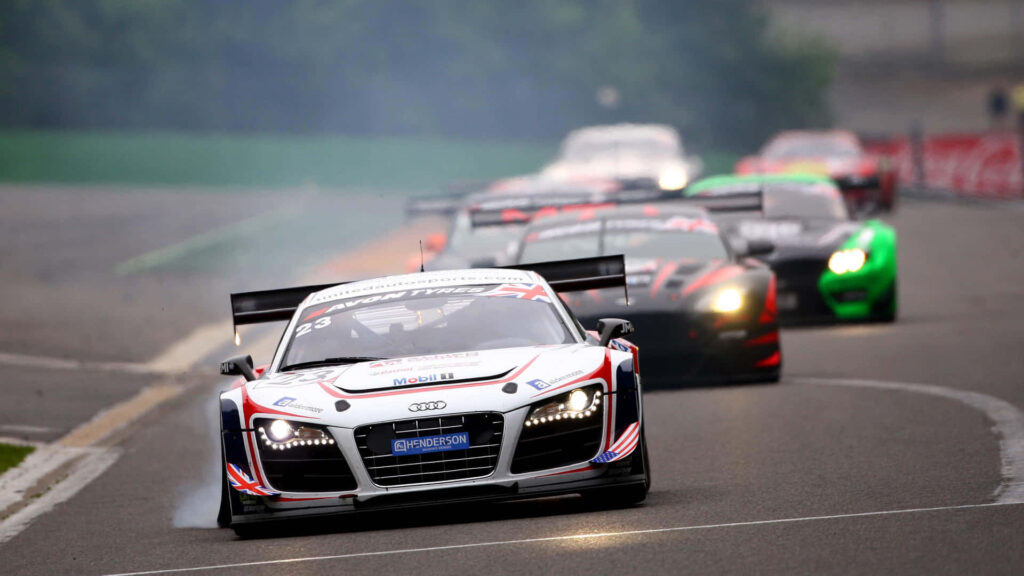
Legendary drivers earn their status not just by victories, but by conquering the world’s most unforgiving circuits. From the rain-slicked curves of Spa-Francorchamps to the desert speedways of Bahrain, these tracks challenge skill, strategy, and nerve. Visit SpeedsRun Track Profiles to explore detailed breakdowns of the world’s most famous racing circuits.
When Racing Was Raw and Ruthless
In the mid-20th century, motorsport was as dangerous as it was thrilling. Drivers wore leather helmets, cars lacked roll cages, and pit stops were timed with stopwatches instead of sensors. Yet, these fearless pioneers drove at the limit, knowing every race could be their last. Their courage built the foundation for the modern safety standards we now take for granted.
The Rise of Modern Legends
Today’s champions compete in a digital era where milliseconds determine legacies. With advanced simulators, AI-assisted telemetry, and strategic data modeling, drivers must blend athleticism with computer-like focus. Modern icons such as Lewis Hamilton, Max Verstappen, and Fernando Alonso prove that the spirit of the asphalt jungle still burns brightly.
What It Takes to Prepare for Glory
Preparation is everything. Legendary drivers spend hours studying track maps, memorizing braking zones, and refining their mental focus before race day. The pre-race rituals, nutrition plans, and simulator sessions form a blueprint for excellence. You can explore official race schedules and training venues via Google Maps Race Centers.
The Psychology of Dominance
Speed alone doesn’t make a legend — mindset does. The ability to remain calm in chaos, trust instinct at 300 km/h, and adapt mid-lap is what separates greats from legends. Many drivers work with sports psychologists to enhance reaction speed and mental clarity under immense pressure.
The Future of Competitive Driving
With AI race analytics and electric hypercars entering the scene, the next generation of drivers faces new challenges. Championships like Formula E and Extreme E have introduced eco-conscious competition that demands both adaptability and innovation. Learn how sustainability meets performance at Formula E Official.
Beyond Racing: The Humanitarian Side of Drivers
Many legendary drivers use their fame for good, supporting charities and global causes. Hamilton champions environmental change, Vettel advocates sustainability, and Button supports underprivileged youth through his foundation. Explore related initiatives at UNICEF or Racing for Change.
The Unsung Heroes: Pit Crews and Mechanics
Behind every victory stands a team of unsung heroes — the mechanics and pit crew. They operate with lightning precision, changing tires in under two seconds and troubleshooting engine glitches between laps. Their expertise often decides whether a driver wins or finishes.
The Power of Sponsorship in Racing Success
Racing is as much about funding as it is about skill. Sponsors enable teams to develop cutting-edge cars and travel globally. Partnerships with brands like Shell, Red Bull, and Pirelli have transformed racing into a billion-dollar ecosystem that sustains both sport and innovation.
How Documentaries Keep Racing Legends Alive
Films like Senna, Rush, and Drive to Survive have reintroduced racing legends to new audiences. These cinematic experiences showcase the sacrifice, emotion, and intensity behind every lap — inspiring millions to appreciate the artistry of motorsport. Find them on Netflix or IMDb.
The Rise of Urban Street Racing
Legal street circuits like Singapore, Baku, and Monaco blur the line between city and circuit. The roar of engines bouncing off skyscrapers creates an atmosphere unlike any other. Explore street circuits near you through Google Maps Street Races.
The Next Generation of Asphalt Kings
Rising stars like Lando Norris, Charles Leclerc, and Oscar Piastri carry the torch of the new racing era. They embody raw talent shaped by cutting-edge technology and fearless creativity. Follow their journeys and career updates at SpeedsRun NextGen Drivers.
Preserving the Heritage of Speed
The legacy of motorsport is preserved through museums, racing archives, and virtual exhibitions. Venues like the Museo Nacional del Automóvil celebrate decades of engineering brilliance and racing valor. Motorsport isn’t just about speed — it’s about storytelling through machines.
Speed as an Art Form
To a true racer, speed is not recklessness — it’s precision, grace, and rhythm. Watching a driver control a car at the edge of grip is like witnessing a dancer’s perfect motion. The racetrack becomes a stage, the engine a symphony, and each corner a brushstroke of courage. Discover more poetic takes on motorsport at Asphalt Jungle Stories.
Frequently Asked Questions About Legendary Drivers
Who are considered the most Legendary Drivers in racing history?
Legendary Drivers such as Ayrton Senna, Michael Schumacher, Juan Manuel Fangio, and Lewis Hamilton have defined eras with their skill, dominance, and courage. You can explore their career stats and hall of fame moments at Formula 1 Hall of Fame.
What makes a driver truly legendary in motorsport?
Legendary Drivers are not defined by wins alone — it’s their consistency, adaptability, and ability to overcome mechanical or environmental adversity. Their instinct under pressure and connection with fans cement their legacy in racing history.
How do Legendary Drivers train for peak performance?
These athletes combine strength, reflex, and endurance training with simulator sessions and cognitive exercises. Many train at high-tech centers like the Ferrari Driver Academy to maintain elite mental and physical fitness.
Which countries have produced the most Legendary Drivers?
Nations like the United Kingdom, Germany, Brazil, and Argentina have produced multiple Legendary Drivers who dominated global circuits. Visit Racing Nations Hub to learn more about each country’s motorsport legacy.
Where can I visit monuments or museums dedicated to Legendary Drivers?
Fans can explore racing heritage at landmarks like the Museo Fangio, Museo Ferrari, and Mercedes-Benz Museum. These museums celebrate the evolution of Legendary Drivers across decades.
Do Legendary Drivers rely more on instinct or data?
While modern telemetry provides immense data, Legendary Drivers still rely heavily on instinct — the ability to sense grip, tire wear, and mechanical limits in real time. This fusion of intuition and analytics makes them unbeatable on track.
Can new generations become Legendary Drivers in electric racing?
Absolutely. With Formula E and hybrid series gaining prominence, the next wave of Legendary Drivers will emerge from eco-racing formats. Learn more about this future at Formula E Official.
How do Legendary Drivers handle fear at extreme speeds?
Fear management is part of training — drivers practice visualization, breathing techniques, and mindfulness to maintain composure at 300 km/h. Many credit mental coaches and years of discipline for their confidence on the edge.
What are some iconic rivalries among Legendary Drivers?
Classic rivalries include Senna vs. Prost, Schumacher vs. Hakkinen, and Hamilton vs. Rosberg. These battles not only pushed human limits but also transformed motorsport into a psychological chess match. Discover detailed rivalry analyses at SpeedsRun Rivalries.
How important is teamwork for Legendary Drivers?
Despite their individual fame, Legendary Drivers rely on engineers, strategists, and pit crews. Seamless teamwork can make or break a championship. Learn about race-day strategy at Formula 1 Strategy Insights.
Which race tracks are most associated with Legendary Drivers?
Circuits like Monaco, Silverstone, and Spa-Francorchamps are forever linked with historic victories that cemented drivers’ legacies.
What qualities do all Legendary Drivers share?
Every Legendary Driver demonstrates mental resilience, adaptability, technical awareness, and relentless pursuit of perfection — qualities that make them timeless icons of speed.
Are there any Legendary Drivers still active today?
Yes. Lewis Hamilton, Max Verstappen, and Fernando Alonso continue to dominate modern circuits, each carving a new chapter in the book of Legendary Drivers. Follow live race updates on SpeedsRun Live Racing.
Do Legendary Drivers influence car technology?
Definitely. Their feedback leads to improvements in safety, aerodynamics, and engine efficiency that later benefit commercial vehicles. Read about these innovations at Autocar.
How do Legendary Drivers stay fit during the off-season?
Most drivers maintain intense fitness regimens, including cycling, swimming, and reaction-time drills to stay race-ready year-round. Some train at altitude camps or simulators in Monaco and Maranello.
What role does technology play in making Legendary Drivers even better?
Advanced data analytics, AI, and simulation tools help Legendary Drivers fine-tune their performance down to the millisecond. The synergy between human intuition and digital precision redefines the meaning of speed.
Can street racing ever produce Legendary Drivers?
While illegal street racing isn’t sanctioned, some professionals began their journey through grassroots or karting circuits in cities. Today, street circuits like Singapore and Baku provide legal urban racing stages for future legends.
How do Legendary Drivers inspire younger racers?
Through mentorship, academies, and documentaries, Legendary Drivers pass down discipline, respect, and skill to the next generation. Explore youth programs at SpeedsRun Racing Academy.
Are there any Legendary Drivers from outside Formula 1?
Yes. Icons like Dale Earnhardt (NASCAR), Sébastien Loeb (Rally), and Valentino Rossi (MotoGP) have achieved legendary status across diverse racing disciplines worldwide.

Do Legendary Drivers have rituals before races?
Many follow superstitions or pre-race rituals — from listening to specific music to wearing lucky gloves — to stay mentally centered before stepping into their machines.
How are Legendary Drivers remembered after retirement?
Through hall of fame inductions, documentaries, and fan festivals. Tracks often name corners or stands in their honor, ensuring their spirit remains part of every race.
Do Legendary Drivers participate in charity or humanitarian work?
Many use their fame for good. For example, Hamilton promotes sustainability, Vettel supports environmental causes, and Button funds global youth programs. Visit Greenpeace to explore similar initiatives.
Can Legendary Drivers transition into team management?
Yes. Many retired racers become mentors, team principals, or advisors. Niki Lauda’s leadership at Mercedes AMG F1 proved that racing brilliance extends beyond the cockpit.
What legacy do Legendary Drivers leave for future motorsport fans?
They leave behind more than trophies — they inspire innovation, sportsmanship, and an unbreakable bond between man, machine, and motion. Explore fan tributes on SpeedsRun Driver Legends.
Where can I watch documentaries about Legendary Drivers?
You can stream exclusive documentaries such as Senna and Schumacher on Netflix and Amazon Prime, offering deep insights into their lives and races.
How has the definition of Legendary Drivers changed over time?
Early legends conquered danger with minimal technology, while modern legends combine intelligence, analytics, and endurance. Yet, the spirit of daring and precision remains timeless in every era.