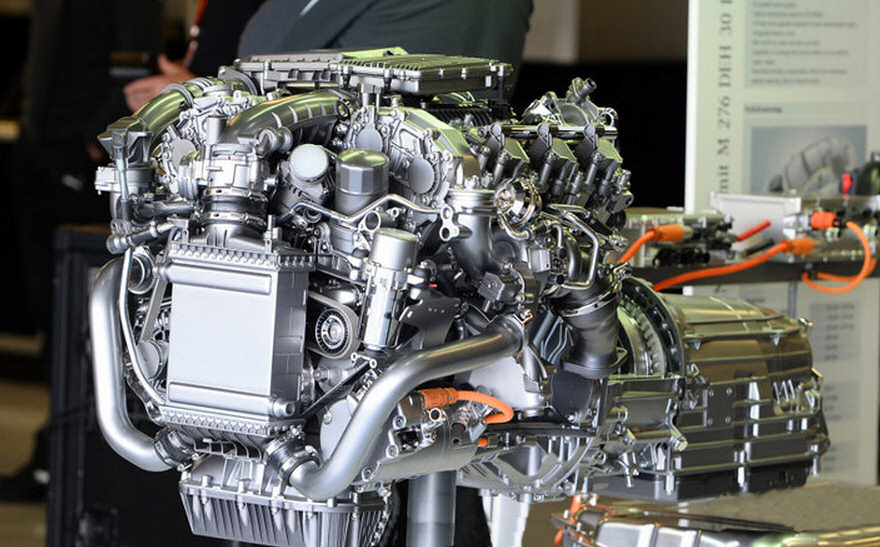
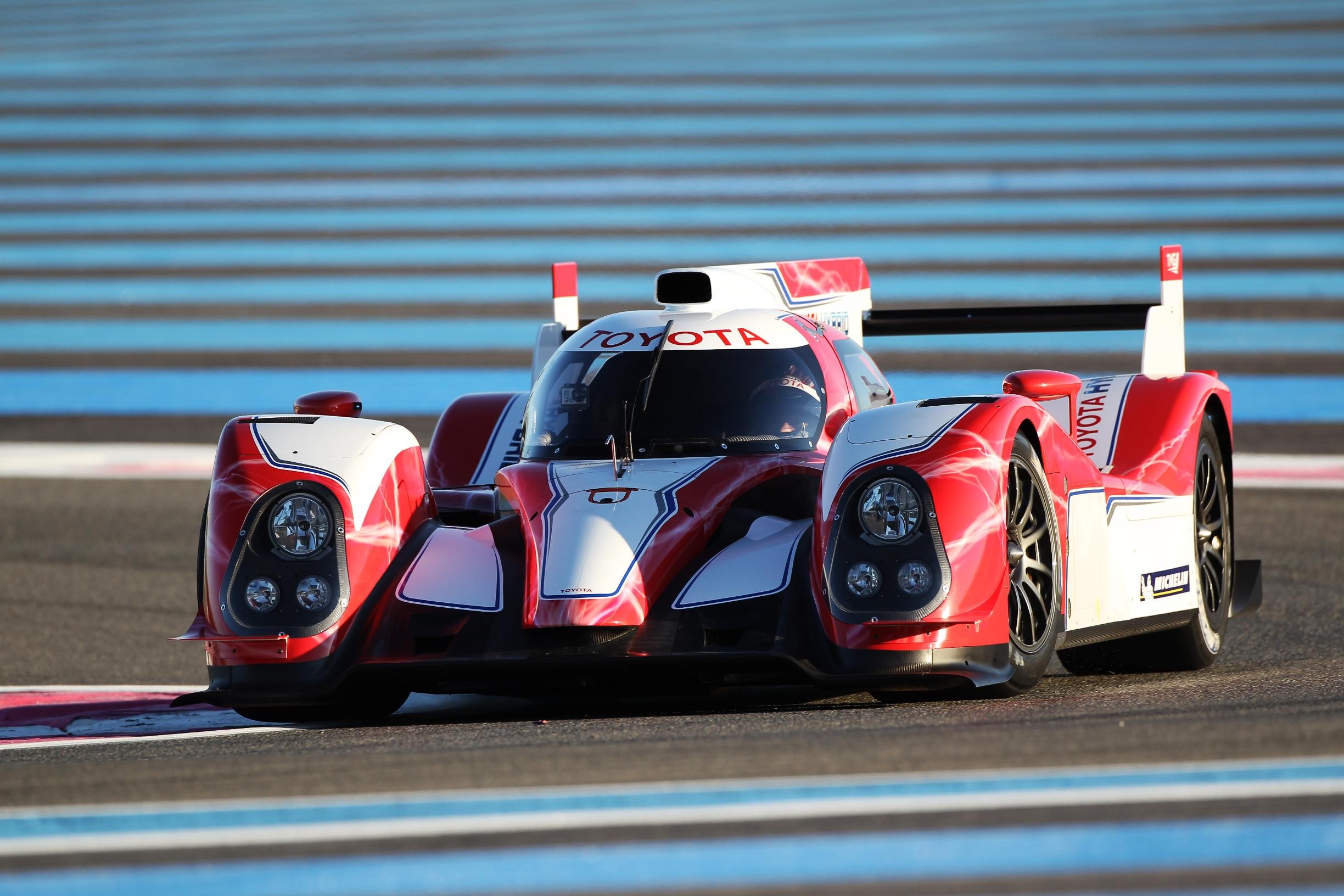
In the high-octane world of motorsport, technology is king. Over the last two decades, hybrid racing cars — vehicles powered by a combination of internal combustion engines (ICE) and electric motors — have transitioned from experimental prototypes to championship-winning machines. Today, hybrid systems dominate some of the world’s most prestigious racing series, proving that performance and efficiency can go hand-in-hand.
From Formula 1 to endurance racing, and now even electric racing leagues, hybrid powertrains are reshaping racing technology and influence production vehicles.
Table of Contents Hybrid Racing Cars
- What Is a Hybrid Racing Car?
- History & Evolution
- Types of Hybrid Racing Cars
- How Hybrid Systems Work
- Major Racing Series with Hybrid Cars
- Technology Innovations
- Benefits of Hybrid Racing
- Challenges & Limitations
- Future of Hybrid Motorsport
- Conclusion
- References & External Links Hybrid Racing Cars
1. What Is a Hybrid Racing Car? <a id=”what-is-hybrid-racing”></a>
A hybrid racing car combines more than one power source — typically a combustion engine and electric motors — to drive its wheels. Unlike conventional race cars that rely solely on fuel-burning engines, hybrids use stored electrical energy to assist acceleration, recover energy during braking, and improve overall performance.
This synergy enhances:
- Acceleration
- Fuel efficiency
- Traction
- Strategy flexibility
In modern championships such as Formula 1 and the FIA World Endurance Championship (WEC), hybrid systems are no longer optional — they are mandatory. This shift reflects global interest in sustainable yet high-performance automotive technology.
👉 For a deeper dive into hybrid technology, see our section o.
2. History & Evolution <a id=”history-evolution”></a>
Hybrid technology in racing emerged from experimentation in the late 20th century, but it wasn’t until the 21st century that it began influencing top-tier series.
Early Pioneers
In the 1990s and early 2000s, teams began testing hybrid systems in lower categories and prototypes. These early systems focused on regenerative braking — capturing kinetic energy normally lost as heat.
Breakthrough in Endurance Racing
The first major impact of hybrid tech was seen in endurance racing, especially the 24 Hours of Le Mans. Legendary manufacturers such as Audi, Porsche, and Toyota developed hybrid prototypes that could run long distances efficiently while delivering blistering performance.
📌 See race results and hybrid car entries at the official Le Mans site:
Formula 1’s Hybrid Era Hybrid Racing Cars
In 2014, Formula 1 introduced its most advanced hybrid power units, known as PU (Power Unit) technology. These systems combined turbocharged engines with electric energy recovery systems (ERS) — dramatically increasing efficiency and redefining racing strategies.
3. Types of Hybrid Racing Cars <a id=”types-hybrid”></a>
Different racing series adopt hybrid technology in unique ways. Below is a breakdown of the major types:
3.1 Formula 1 Hybrid Cars Hybrid Racing Cars

Formula 1 hybrid cars — called power units — integrate: Hybrid Racing Cars
- A turbocharged internal combustion engine (ICE)
- MGU-K (Motor Generator Unit – Kinetic)
- MGU-H (Motor Generator Unit – Heat)
- Battery storage
- Energy management electronics
F1 hybrid cars harness energy from braking (MGU-K) and exhaust heat (MGU-H) to provide extra power, often exceeding 1,000 horsepower in peak performance.
3.2 Endurance Racing Hybrids
Endurance series like the World Endurance Championship and Le Mans Hypercar (LMH) class integrate hybrid systems optimized for long stints and fuel saving.
Examples include:
- Toyota GR010 Hybrid Hybrid Racing Cars
- Porsche 963 Hybrid Racing Cars
- Cadillac V-Series.R Hybrid Racing Cars
These cars balance grit and reliability with advanced energy recovery tech, making long races both faster and more efficient.
3.3 GT & Touring Hybrid Cars Hybrid Racing Cars
Some GT and touring leagues allow hybrids under specific regulations. These often use simpler systems focusing on kinetic energy recovery.
Examples:
- FIA GT Series Hybrid Entries Hybrid Racing Cars
- Regional touring championships with hybrid classes
3.4 Electric-Dominant Hybrids Hybrid Racing Cars
As electric racing gains traction, some series allow plug-in hybrid configurations that increasingly rely on stored electric energy for performance bursts.
These cars bridge the gap between traditional hybrids and full EV racers like those in Formula E.
4. How Hybrid Systems Work <a id=”how-hybrid-works”></a>
At the heart of every hybrid racing car is its powertrain architecture — the integrated system that manages fuel and electric energy.
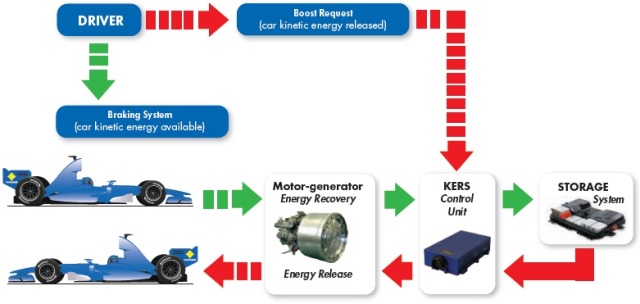

4.1 Energy Recovery Systems Hybrid Racing Cars
Hybrid racing cars use two main energy recovery methods:
🔹 Kinetic Energy Recovery (KER) Hybrid Racing Cars
- Captures energy during braking
- Stored in battery
- Redeployed for acceleration
🔹 Thermal/Heat Recovery Hybrid Racing Cars
- Captures heat from the turbocharger or exhaust
- Converts it into electrical energy
- Reduces wasted energy
In Formula 1, these systems are the MGU-K and MGU-H, while endurance racers may use similar but series-specific modules.
4.2 Power Storage Hybrid Racing Cars
Energy harvested during braking and heat recovery is stored in:
- High-density lithium batteries
- Supercapacitors
These storage systems are designed for:
✔ rapid charge/discharge
✔ endurance under extreme temperatures
✔ high cycle durability
4.3 Power Delivery Hybrid Racing Cars
Hybrid systems deliver power in two ways:
- Supplemental boost: Gives short bursts of power for overtaking
- Cruise efficiency: Reduces engine load during long straights
The result? Faster lap times and better fuel economy.
5. Major Racing Series with Hybrid Cars <a id=”major-series”></a>
Hybrid cars are now mainstream in global motorsport. Here are the key series:
5.1 Formula 1
The world’s premier racing series mandates hybrid power units, making it a showcase for cutting-edge technology.
🔗 Official F1 Rules (Hybrid section):
5.2 World Endurance Championship (WEC)
From LMP1 hybrids to the current Le Mans Hypercar class, WEC has championed hybrid racing.
🔗 World Endurance Championship official site:
5.3 IMSA WeatherTech SportsCar Championship
North America’s top endurance series features hybrid GT and prototype entries.
5.4 Other Hybrid-Friendly Series
- European Le Mans Series
- GT World Challenge (selected regions)
- Some national touring championships
6. Technology Innovations <a id=”tech-innovations”></a>
Hybrid racing pushes automotive R&D forward. Key innovations include:
6.1 Advanced Energy Storage
High-efficiency batteries and supercapacitors now developed for racing transfer directly to road car tech.
6.2 Thermal Efficiency
Heat recovery innovations improve combustion efficiency — vital in reaching stricter emissions standards.
6.3 Software & AI Management
Real-time engine and battery management systems glean insights from AI, optimizing power delivery based on track conditions.
7. Benefits of Hybrid Racing <a id=”benefits”></a>
Hybrid systems offer more than green credibility — they provide real competitive advantages.
7.1 Performance Gains
Electric torque boost enhances acceleration and responsiveness.
7.2 Improved Fuel Efficiency
Endurance teams can run longer stints with fewer pit stops.
7.3 Tech Transfer to Road Cars
Many hybrid sports cars and supercars today use tech pioneered in racing.
Examples:
- Porsche 918 Spyder
- Ferrari SF90 Stradale
- McLaren P1
8. Challenges & Limitations <a id=”challenges”></a>
Despite the advantages, hybrid racing presents hurdles:
8.1 Cost
Developing and maintaining hybrid systems is incredibly expensive.
8.2 Complexity
More parts = more potential failure points.
8.3 Regulation Balancing
Ensuring fair competition among hybrid and non-hybrid entries remains tricky for sanctioning bodies.
9. Future of Hybrid Motorsport <a id=”future”></a>
While electrification grows, hybrid racing remains essential for the next decade.
🚀 Trends to Watch
- Increased electric power share
- More plug-in systems
- Integration with full EV racing
- Synthetic fuels + hybrid synergy
Several series are already testing regulations that combine hybrid and electric racing rules.
10. Conclusion <a id=”conclusion”></a>
Hybrid racing cars have transformed motorsport. From energy recovery innovations to practical performance gains, these vehicles prove that efficiency and speed are not mutually exclusive. As global automotive standards evolve, hybrid racing will continue to be a crucial proving ground for the next generation of racing and road-car technologies.
11. References & External Links
🔗 General Resources
- FIA World Motorsport Council:
- Formula 1 Official Site:
- 24 Hours of Le Mans:
- World Endurance Championship
🔗 Technical Explainers
- How Hybrid Power Units Work (Engineering):
- Hybrid Tech in Endurance Racing:
explained
If you want, I can also:
📌 Format this for WordPress or HTML
📌 Add SEO meta tags and keywords
📌 Provide downloadable PDF version
Just tell me!
Hybrid Racing Cars Explained in Depth
Engineering, Strategy, Aerodynamics & The Future of High-Performance Hybrid Motorsport
Hybrid racing cars are not just “cars with a battery.” They are some of the most sophisticated machines ever built, combining thermodynamics, electrical engineering, aerodynamics, artificial intelligence, and race strategy into a single performance platform.
This expanded guide goes deeper into:
- Advanced power unit architecture
- Hybrid energy deployment strategies
- Aerodynamic integration
- Real race examples
- Manufacturer development programs
- Future regulation shifts
1️⃣ The Architecture of a Modern Hybrid Racing Car
Modern hybrid race cars—especially those in Formula 1 and the FIA World Endurance Championship—are built around a modular power unit philosophy.
Core Components
🔹 1. Internal Combustion Engine (ICE)
Typically:
- Turbocharged V6 (F1)
- V6/V8/V10 (Endurance prototypes)
- High compression ratio
- Ultra-high thermal efficiency (over 50% in F1)
For comparison, most road cars operate at ~30–35% efficiency.
🔹 2. Electric Motor Generators
Hybrid race cars use motor-generator units (MGUs):
- MGU-K (Kinetic)
- MGU-H (Heat) – used in F1 hybrid systems
The MGU-K recovers energy during braking and can redeploy around 120 kW or more depending on regulations.
🔹 3. Energy Storage System (ESS)
These are not typical car batteries.
They are:
- Lightweight
- High discharge-rate systems
- Designed for rapid charge cycles
- Liquid-cooled
Some endurance prototypes use hybrid systems mounted on the front axle, allowing temporary all-wheel drive under acceleration.
2️⃣ Hybrid Strategy: The Invisible Battle
Hybrid racing isn’t just about horsepower—it’s about energy management strategy.
In modern racing, engineers track:
- Battery state-of-charge (SOC)
- Brake energy harvesting efficiency
- Turbo boost mapping
- Tire grip and degradation
- Fuel consumption
Teams simulate thousands of race scenarios before the green flag drops.
In 24 Hours of Le Mans, hybrid deployment strategy often determines victory more than raw speed.
Overtake Boost Tactics
In sprint racing like Formula 1, drivers use electrical deployment tactically:
- Overtaking zones
- Defending position
- Exit acceleration from slow corners
Because electrical torque is instantaneous, it dramatically improves traction out of tight corners.
3️⃣ Aerodynamics & Hybrid Integration
Hybrid systems influence aerodynamics in unexpected ways.
Why?
Because:
- Batteries require cooling
- Electric motors generate heat
- Additional wiring affects weight distribution
Cooling Systems
Hybrid race cars have:
- Separate cooling loops
- High-pressure airflow ducting
- Optimized sidepod airflow
When Mercedes-AMG Petronas Formula One Team introduced ultra-compact sidepod designs in the early hybrid era, it revolutionized packaging efficiency.
4️⃣ Real-World Examples of Hybrid Dominance
🏁 Toyota’s Endurance Success
The Toyota Gazoo Racing hybrid program dominated Le Mans for multiple years with the GR010 Hybrid.
Key strengths:
- Superior energy recovery
- Excellent reliability
- Balanced fuel-electric deployment
🏎 Porsche Hybrid Prototypes
The Porsche Penske Motorsport program combines combustion and front-axle electric drive for incredible corner-exit acceleration.
🏁 F1 Hybrid Era Dominance
Between 2014 and 2020, hybrid power unit mastery gave Mercedes-AMG Petronas Formula One Team one of the most dominant streaks in modern motorsport.
Their advantage?
- Superior thermal efficiency
- Advanced energy harvesting
- Exceptional battery packaging
5️⃣ Hybrid Racing vs Full Electric Racing
Hybrid cars are often compared to all-electric series like Formula E.
| Hybrid Racing | Full Electric Racing |
|---|---|
| Combines fuel + electric | 100% electric |
| Higher sustained power | Limited by battery capacity |
| Longer race duration | Shorter sprint format |
| Fuel strategy important | Energy conservation critical |
Hybrids currently dominate endurance formats due to refueling speed and energy density.
6️⃣ Cost & Development Complexity
Hybrid racing programs can cost hundreds of millions of dollars annually.
Major cost factors:
- Battery R&D
- Simulation software
- Specialized cooling systems
- Hybrid control electronics
Smaller teams often rely on manufacturer-supplied power units because developing one independently is nearly impossible financially.
7️⃣ Technical Deep Dive: Energy Recovery Physics
When a race car brakes:
Kinetic Energy Formula:
KE = ½ mv²
Instead of losing this energy as heat through brake discs, the hybrid system converts rotational energy into electrical energy via the MGU-K.
This improves:
- Overall system efficiency
- Brake wear
- Lap-time consistency
8️⃣ Hybrid Influence on Road Cars
Many modern hypercars use racing-derived hybrid systems.
Examples:
- Ferrari SF90 Stradale
- Porsche 918 Spyder
- McLaren P1
Technologies transferred from racing include:
- Torque vectoring
- Regenerative braking
- High-density lithium batteries
- Hybrid cooling architecture
9️⃣ Regulation Changes Shaping the Future
Upcoming regulation trends include:
- Increased sustainable fuel usage
- Reduced reliance on MGU-H systems
- Standardized hybrid components
- Budget caps
In Formula 1, future rules will simplify hybrid components while increasing electric power share.
🔟 Sustainability & Carbon Neutral Goals
Motorsport governing bodies are pushing toward carbon neutrality.
Hybrid racing plays a key role by:
- Reducing fuel burn
- Promoting synthetic fuels
- Encouraging energy-efficient engine design
The Fédération Internationale de l’Automobile has outlined long-term sustainability goals for international racing categories.
1️⃣1️⃣ The Future: What Comes Next?
Hybrid racing will likely evolve into:
🔋 1. Greater Electric Deployment
Electric power share increasing beyond 50% in some formats.
♻ 2. Synthetic Fuel + Hybrid
Combining low-carbon fuels with electric assist.
🧠 3. AI-Controlled Energy Mapping
Real-time optimization through machine learning.
⚡ 4. Lighter, More Efficient Batteries
Solid-state battery technology is a potential game changer.
Final Thoughts
Hybrid racing cars represent the perfect intersection of:
- Mechanical engineering
- Electrical innovation
- Aerodynamics
- Strategy
- Sustainability
They are not transitional technology—they are currently the most advanced form of racing machinery on the planet.
From endurance battles at 24 Hours of Le Mans to tactical energy warfare in Formula 1, hybrid systems have reshaped motorsport forever.
If you’d like, I can now provide:
- 🔥 An SEO-optimized 6000+ word premium blog version
- 🖼 A version with suggested image placements
- 💻 A fully formatted HTML website layout
- 📈 A keyword-rich version for ranking on Google
- 📘 A downloadable PDF guide
Just tell me which format you need.





One Comment