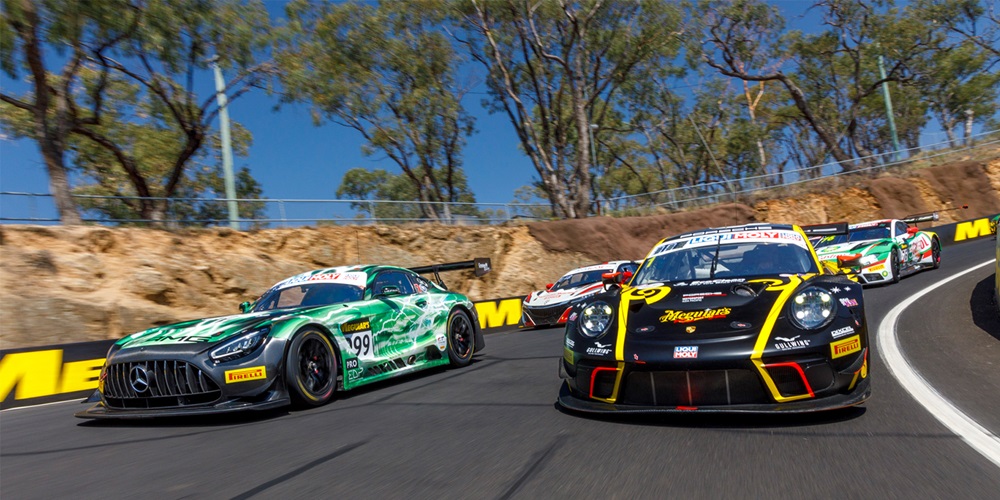
GT racing cars represent one of the most exciting and accessible forms of professional motorsport. Unlike single-seater racing cars, GT (Grand Touring) cars are based on high-performance production vehicles that are adapted for competitive racing. This unique connection to road-going supercars makes GT racing incredibly popular among fans, manufacturers, and drivers alike.
From iconic endurance races like the 24 Hours of Le Mans to global championships such as GT World Challenge, GT racing cars combine speed, durability, advanced engineering, and visual appeal. These cars are designed to push performance limits while maintaining a strong link to their production counterparts.
In this comprehensive guide, we explore everything you need to know about GT racing cars — their history, classifications, technology, championships, manufacturers, and future trends.
What Are GT Racing Cars?
GT racing cars are purpose-built competition vehicles derived from production sports cars and supercars. While they share design DNA with road cars, GT racers are heavily modified for safety, performance, and endurance racing.
Key Characteristics of GT Racing Cars
- Based on production car models
- Closed cockpit design
- Rear- or mid-engine layouts
- Advanced aerodynamics
- Built for sprint and endurance racing
GT cars differ from prototype racing cars in that they must adhere to homogenization rules, ensuring a minimum number of road-legal versions exist.
History of GT Racing Cars
GT racing originated in the 1950s when manufacturers began entering modified road cars into endurance events. Early GT cars focused on long-distance reliability rather than outright speed.Production-Based but Race-Ready
Unlike Formula or prototype race cars, GT racing cars start life as road-legal vehicles. Manufacturers such as Ferrari, Porsche, Lamborghini, BMW, Mercedes-AMG, and Aston Martin build racing versions that retain the original car’s silhouette while undergoing extensive modifications for:
- Speed and handling
- Safety and durability
- Endurance racing performance
This connection to road cars is one of the biggest reasons GT racing is so popular with fans.
Key Features of GT Racing Cars
GT racing cars share several defining characteristics:
- Closed cockpit design
- Powerful engines (typically 500–600 horsepower)
- Advanced aerodynamics (front splitters, rear wings, diffusers)
- Racing safety systems (roll cages, fire suppression, HANS devices)
- Electronics such as traction control and ABS
They are engineered to perform in both short sprint races and long endurance events lasting up to 24 hours.
Main Classes of GT Racing Cars
GT racing is divided into categories to ensure close competition and cost control:
- GT3 – The most popular class worldwide, using Balance of Performance (BoP) to equalize cars
- GT2 – Less downforce, higher top speeds, often aimed at amateur drivers
- GTE / GTLM – Factory-backed cars used in elite endurance racing
- GT4 – Entry-level GT racing with closer ties to road cars
Where GT Racing Cars Compete
GT racing cars compete in some of the world’s most famous events and championships, including:
- 24 Hours of Le Mans
- GT World Challenge
- FIA World Endurance Championship (WEC)
- IMSA SportsCar Championship
These series showcase GT cars racing door-to-door across legendary circuits worldwide.
Why GT Racing Cars Are Important
GT racing cars play a major role in motorsport because they:
- Connect road-car technology with racing innovation
- Allow professional and amateur drivers to compete together
- Offer manufacturers a global marketing platform
- Deliver exciting, close-competition racing
In Simple Terms
GT racing cars are race-prepared versions of supercars, designed to compete at the highest levels of motorsport while still looking and feeling like the cars you see on the road.
If you want, I can:
- Rewrite this for SEO snippets
- Expand it into a long-form blog section
- Add internal links for your website
Just tell me 👍
Get smarter responses, upload files and images, and more.
Log in
Sign up for free
Classic examples include:
- Ferrari 250 GT
- Jaguar E-Type Lightweight
- Aston Martin DBR series
The Evolution Through the Decades
During the 1990s and early 2000s, GT racing gained global momentum with the creation of standardized regulations. This period introduced legendary GT machines such as:
- McLaren F1 GTR
- Porsche 911 GT1
- Mercedes-Benz CLK GTR
Modern GT racing became more accessible with the introduction of GT3 regulations, which prioritized cost control and competitive balance.The Future of GT Racing Cars
GT racing cars are entering a new era—one shaped by sustainability, advanced technology, cost control, and global accessibility. While the raw sound and spectacle that fans love will remain, the way GT cars are built, fueled, and raced is already evolving.

4
Sustainability and Eco-Friendly Fuels
One of the biggest drivers of change in GT racing is sustainability. Modern GT championships are increasingly adopting renewable and synthetic fuels to reduce carbon emissions without sacrificing performance.
Key developments include:
- 100% renewable racing fuels
- Lower lifecycle carbon emissions
- Compatibility with existing GT engines
These fuels allow GT racing to remain relevant in a world moving toward cleaner mobility.
Hybrid and Electrification Technologies
While fully electric GT racing is still limited, hybrid technology is becoming a realistic future pathway.
What we can expect:
- Mild-hybrid systems improving efficiency
- Energy recovery under braking
- Enhanced acceleration without major weight penalties
Manufacturers are using GT racing as a testbed for electrification technologies that later reach road cars.
Balance of Performance Evolution
Balance of Performance (BoP) will continue to play a central role in GT racing’s future.
Future BoP improvements may include:
- AI-driven data analysis
- Real-time performance monitoring
- More transparent and fair regulation systems
These changes aim to ensure closer racing while keeping development costs under control.
Cost Control and Accessibility
To maintain healthy grids, GT racing organizations are focusing on long-term affordability.
Trends include:
- Extended homologation periods
- Shared components across manufacturers
- Reduced testing restrictions
This approach helps private teams compete alongside factory-backed operations.
Advanced Aerodynamics and Materials
Future GT racing cars will benefit from:
- Lighter composite materials
- More efficient aerodynamic packages
- Improved cooling and airflow management
Despite these advancements, regulations will continue to preserve the recognizable production-car shape that defines GT racing.
Digital Technology and Data Integration
Data is becoming as important as horsepower in modern GT racing.
Emerging technologies include:
- Enhanced telemetry systems
- Predictive analytics for strategy
- Driver-assist calibration tailored to individual skill levels
This allows teams to optimize performance while improving safety and reliability.
The Role of Manufacturers
Major manufacturers remain committed to GT racing because it:
- Closely reflects road-car development
- Appeals to global audiences
- Offers strong return on investment
Brands like Porsche, Ferrari, BMW, Mercedes-AMG, and Lamborghini are expected to play a central role in shaping the next generation of GT racing cars.
Endurance Racing Remains the Heart of GT
Despite technological changes, endurance racing will continue to define GT competition.
Future endurance events will emphasize:
- Reliability over extreme performance
- Team strategy and efficiency
- Driver consistency across long race distances
This ensures GT racing remains a true test of man and machine.
Looking Ahead
The future of GT racing cars is not about abandoning tradition—it’s about evolving responsibly. By blending sustainability, cutting-edge technology, and cost-effective regulations, GT racing is positioned to remain one of motorsport’s most exciting and relatable categories for decades to come.
If you want, I can:
- Expand this into a full website chapter
- Optimize it for SEO keywords
- Add internal links and schema markup
Just say the word 🏁
GT Racing Car Classes Explained
GT racing is divided into multiple categories, each designed for different performance levels and budgets.
GT1 Racing Cars
GT1 cars represent the most extreme evolution of GT racing, featuring massive aerodynamics and prototype-like performance. Though largely phased out today, GT1 cars played a crucial role in shaping modern GT design.
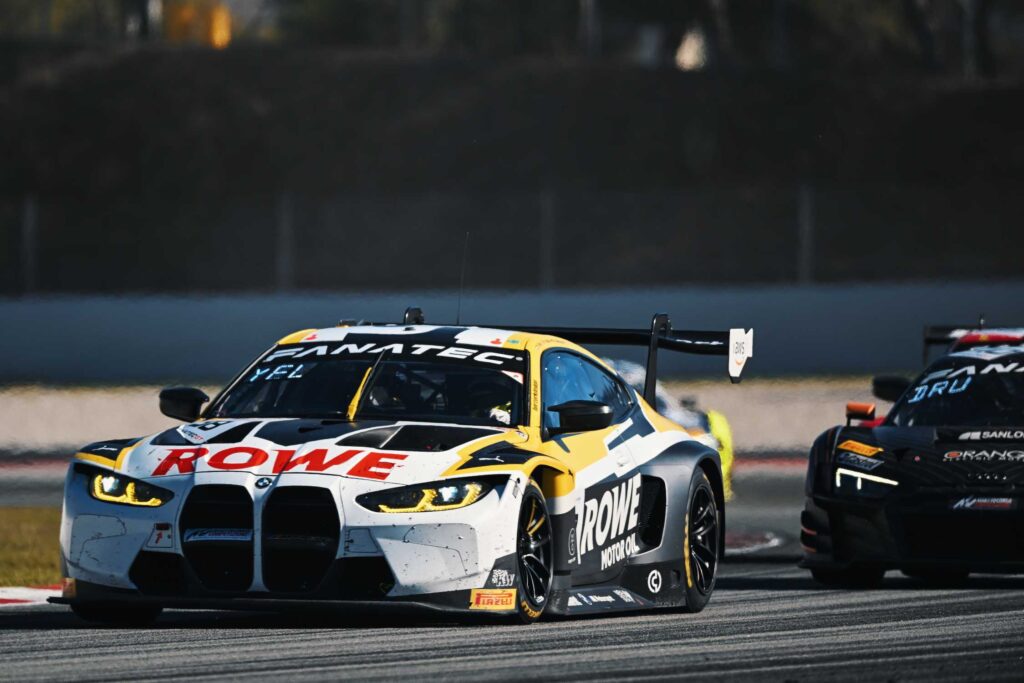
GT2 Racing Cars
GT2 sits between GT3 and GTE in terms of performance. These cars offer:
- Reduced aerodynamic downforce
- Higher top speeds
- Fewer driver aids
GT2 is popular among gentleman drivers and semi-professional teams.
GT3 Racing Cars
GT3 is the most widespread GT racing category in the world.
Why GT3 Is So Popular
- Balance of Performance (BoP) system
- Manufacturer support
- Lower operating costs
- Global championship eligibility
Popular GT3 cars include:
- Porsche 911 GT3 R
- Ferrari 296 GT3
- Lamborghini Huracán GT3
- BMW M4 GT3
GTE / GTLM Racing Cars
GTE cars are built for elite endurance racing series like the FIA World Endurance Championship (WEC). These cars feature:
- Manufacturer-specific engineering
- Advanced aerodynamics
- Extreme reliability
Engineering and Technology in GT Racing Cars
Aerodynamics
GT racing aerodynamics focus on maximizing downforce while minimizing drag. Key elements include:
- Front splitters
- Rear diffusers
- Large adjustable rear wings
Unlike prototypes, GT cars must retain recognizable body shapes.
Powertrain and Engines
GT racing cars use a variety of engine configurations:
- Naturally aspirated V8s
- Twin-turbo V6 engines
- Flat-six engines
Power output typically ranges between 500 and 600 horsepower, regulated by BoP.

Chassis and Materials
Modern GT cars use:
- Carbon-fiber body panels
- Aluminum or steel safety cages
- Advanced crash structures
Weight is tightly controlled to ensure competitive parity.
Electronics and Driver Aids
GT racing cars feature sophisticated electronics such as:
- Traction control
- ABS racing systems
- Data telemetry
These systems allow amateur and professional drivers to compete safely at high speeds.
Safety Features in GT Racing Cars
Safety is a core component of GT racing design.
Key safety features include:
- FIA-approved roll cages
- Fire suppression systems
- Racing seats with HANS compatibility
- Carbon-fiber crash structures
GT cars are designed to withstand long endurance events with minimal driver fatigue.
Major GT Racing Championships Around the World
GT World Challenge
GT World Challenge is the premier global GT racing series, featuring events across Europe, Asia, America, and Australia.
FIA World Endurance Championship (WEC)
WEC includes some of the most prestigious GT races in the world, including Le Mans.
👉 External link: https://www.fiawec.com
IMSA SportsCar Championship
IMSA hosts GT racing in North America, featuring GTD and GTD Pro classes.
24 Hours of Le Mans
The most famous endurance race in the world, where GT racing cars compete alongside prototypes.
Popular GT Racing Car Manufacturers
Porsche
Porsche is the most successful GT racing manufacturer in history. The 911 GT3 R dominates circuits worldwide.
Ferrari
Ferrari GT cars blend Italian design with racing excellence, particularly in endurance racing.
Lamborghini
Known for aggressive styling and powerful V10 engines, Lamborghini GT cars are fan favorites.
BMW
BMW’s M-division produces highly competitive GT racing cars with exceptional balance.
Mercedes-AMG
Mercedes-AMG GT3 cars are renowned for durability and driver friendliness.
GT Racing vs Other Motorsport Categories
GT Racing vs Formula Racing
| Feature | GT Racing | Formula Racing |
|---|---|---|
| Car type | Production-based | Prototype |
| Cockpit | Closed | Open |
| Endurance | High | Low |
| Cost | Moderate | Very High |
GT Racing vs Touring Cars
GT cars are faster, more powerful, and feature advanced aerodynamics compared to touring cars.
Cost of GT Racing Cars
The cost of a GT racing car varies by category:
- GT3 car: $500,000 – $700,000
- Annual running costs: $1M+
Despite the expense, GT racing remains one of the most cost-effective professional motorsports.
Internal Linking Opportunities
To improve SEO and user engagement, link this article to related pages on your website:
The Future of GT Racing Cars
The future of GT racing is evolving rapidly, with focus areas including:
- Sustainable fuels
- Hybrid GT platforms
- Cost-controlled regulations
- Increased manufacturer participation
Electric GT racing concepts are also being explored, though combustion engines remain dominant.
Why GT Racing Cars Matter in Motorsport
GT racing cars bridge the gap between road cars and race cars. They:
- Attract global audiences
- Support manufacturer innovation
- Provide opportunities for amateur drivers
- Promote endurance and team strategy
GT racing remains one of the most relatable and competitive forms of motorsport.
Want this optimized even more?

I can:
- Insert schema markup
- Add meta title & meta description
- Rewrite for AI-SEO / Google EEAT
- Customize it for your niche or country
Just tell me 👌
ChatGPT can make mistakes. Check important info.