Formula 1 is often described as the pinnacle of motorsport, and one of the biggest reasons is its breathtaking speed. F1 cars accelerate faster than almost any road-legal vehicle, corner at forces that challenge the limits of human endurance, and brake with power strong enough to stop a small aircraft. But what exactly makes F1 speed so extraordinary? How do engineers, drivers, and teams work together to push machines to the edge of possibility?
In this in-depth guide, we break down the science of F1 speed, the technologies that make it possible, and the human abilities required to control these remarkable machines. Whether you are an F1 fan, a racing enthusiast, or a speed lover, this article will give you a complete understanding of what truly defines F1 speed.
What Makes F1 Cars So Fast?
Formula 1 cars are designed for one purpose: speed with control. Every millimeter of the car is engineered to reduce drag, increase grip, and maximize efficiency.
1. Aerodynamics: The Hidden Power of F1 Speed
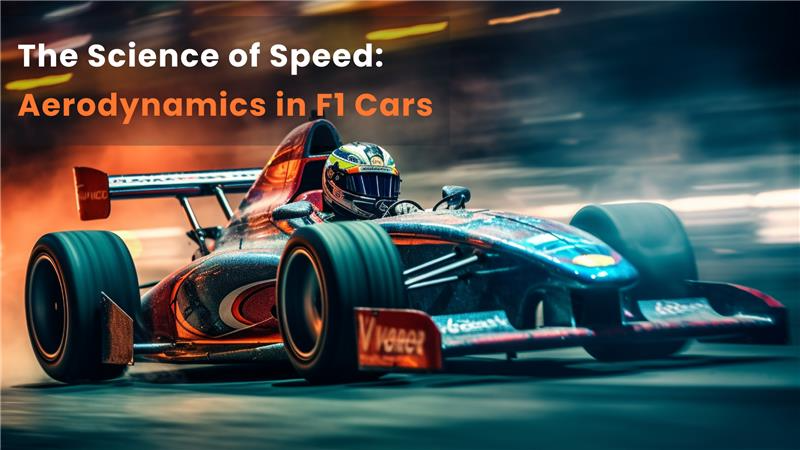
Aerodynamics is responsible for up to 70% of an F1 car’s performance. Unlike normal cars that focus on reducing lift, F1 cars generate massive downforce, pushing the car into the track to allow higher cornering speeds.
Key Aerodynamic Elements
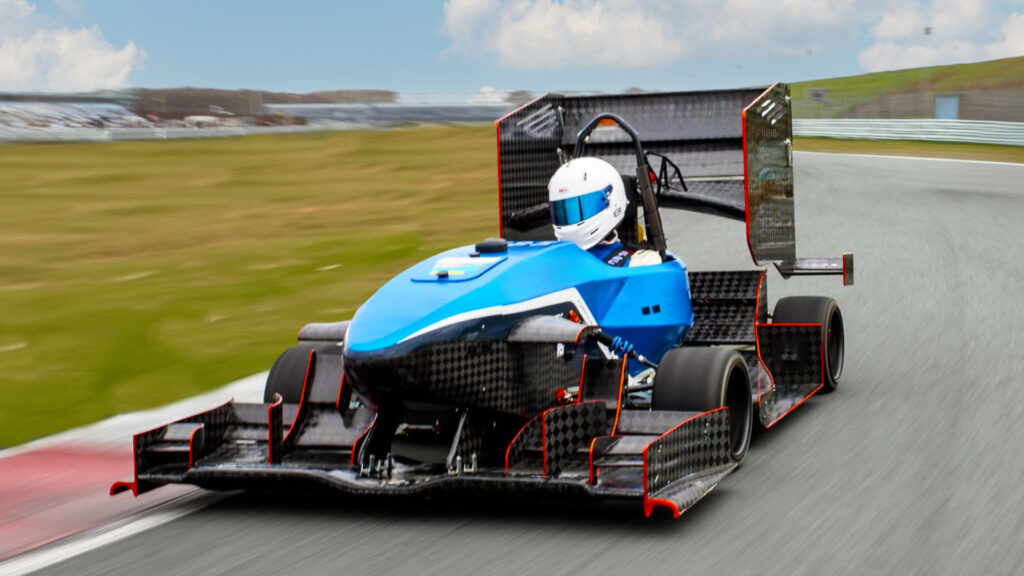
- Front wing: Directs airflow and increases grip during turn-in.
- Rear wing: Provides stability and prevents the rear from sliding.
- Diffuser: Accelerates airflow under the car to create suction.
- Bargeboards and sidepods: Clean and redirect turbulent air.
How Aerodynamics Creates Speed
An F1 car can corner at speeds that would send a normal vehicle flying off track. This is because the downforce can exceed the car’s own weight at high speed. In theory, at full pace, an F1 car could drive upside down on a tunnel ceiling.
2. F1 Engines: Small Size, Massive Power
Since 2014, Formula 1 has used 1.6-liter V6 turbo-hybrid engines, some of the most efficient power units ever built.
Power Output
- Up to 1,000+ horsepower
- Rev limits at 15,000 RPM
- Turbo boosts for instant acceleration
- Hybrid systems delivering electric power bursts
The Hybrid Advantage
The hybrid components include:
- MGU-K: Recovers braking energy
- MGU-H: Recovers exhaust heat energy
- Battery pack: Supplies 160 horsepower at the touch of a button
This combination allows extreme acceleration, better fuel efficiency, and higher top speeds.
3. Lightweight Materials: Strength Without the Weight
Speed requires lightness, and F1 cars are built almost entirely from extremely strong, featherweight materials.
Materials Used
- Carbon fiber monocoques
- Titanium suspension components
- Lightweight magnesium alloys
- Kevlar for protection
The minimum weight of an F1 car—including the driver—is around 798 kilograms.
Why Weight Matters
A lighter car can:
- Accelerate faster
- Brake harder
- Corner more efficiently
Every gram counts in the pursuit of F1 speed.
4. Tires: Soft Rubber, Maximum Grip
F1 tires are designed not for durability—but for maximum performance.
Types of Tires
- Soft compounds for maximum grip
- Medium compounds for balance
- Hard compounds for durability
- Wet and intermediate for rain
Why They Make F1 Cars Fast
Tires reach temperatures of 100°C, melting slightly to grip the asphalt. This allows for incredible traction, making high-speed turning and acceleration possible.
5. Braking Systems That Slow Down From 300 km/h in Seconds
F1 cars don’t just go fast—they stop extremely fast.
F1 Braking Capabilities
- 0 to 200 km/h in 4 seconds
- 200 km/h to zero in less than 3 seconds
- Carbon-carbon brake discs that can glow red hot
- Advanced brake-by-wire technology
Braking is one of the biggest factors in lap time. The later a driver can brake, the longer they stay at full speed.
How Fast Do F1 Cars Really Go?
F1 cars are not just fast—they’re among the fastest cornering machines ever built.
Top Speeds
- Standard F1 cars reach 330–360 km/h
- With drag reduction systems (DRS), they can exceed 370 km/h
Acceleration
- 0–100 km/h: ~2.6 seconds
- 0–200 km/h: ~4.5 seconds
Cornering Speeds
Some corners—like the Eau Rouge section at Spa—are taken at over 300 km/h, thanks to extreme downforce.
The Human Side of F1 Speed: What Drivers Endure
F1 speed is not just mechanical—it’s a test of human physical and mental limits.
1. G-Forces
Drivers experience:
- 5-6 G in corners
- 3-4 G during braking
- Up to 2 G during acceleration
This is similar to fighter jet pilots.
2. Reaction Times
Drivers must react in about 0.2 seconds, making decisions at over 300 km/h while navigating complex corners and wheel-to-wheel battles.
3. Physical Conditioning
Drivers train like elite athletes, focusing on:
- Neck strength
- Core stability
- Cardiovascular endurance
- Reflex and hand-eye coordination
Controlling F1 speed requires peak human capability.
How Tracks Influence F1 Speed
Not all tracks allow the same speeds. F1 circuits fall into categories that affect top speed and cornering limits.
High-Speed Circuits
- Monza (The “Temple of Speed”)
- Spa-Francorchamps
- Baku City Circuit
These tracks feature long straights where cars push maximum velocity.
Technical Circuits
- Monaco
- Singapore
- Hungary
These tracks demand precision over top speed.
Why This Matters
Teams set up cars differently depending on track type.
A high-downforce Monaco setup is completely different from a low-drag Monza setup.
The Future of F1 Speed: What’s Coming Next?
Formula 1 evolves every year, pushing technology and engineering further than ever.
Future Innovations Might Include:
- More powerful hybrid systems
- Lighter, stronger materials
- Advanced aerodynamic tunnels
- Improved electrical energy deployment
- Sustainable fuels with equal performance
Even with safety restrictions, F1 speed continues to rise through innovation.
Why F1 Speed Captivates Fans Worldwide
F1 speed is more than a number—it’s a spectacle of engineering, strategy, and human talent.
Fans Love It Because:
- It’s visually thrilling
- The stakes are incredibly high
- The technology is cutting-edge
- It’s a test of both machine and man
- Races are unpredictable and intense
From roaring down straights to taking corners at impossible angles, F1 speed represents the peak of motorsport excellence.
F1 Speed is the Ultimate Expression of Motorsport Performance
Formula 1 speed is the result of decades of engineering evolution, human dedication, and technological breakthroughs. With hybrid engines, advanced aerodynamics, elite drivers, and world-class engineering teams, F1 cars achieve speeds that seem almost impossible.
The combination of raw power, razor-sharp control, and human skill makes Formula 1 the fastest, most advanced, and most thrilling racing championship in the world.
As new technologies develop and teams continue to innovate, one thing is certain: the future of F1 speed will be faster, smarter, and even more exciting.