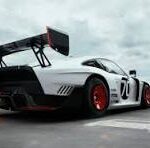
Endurance racing cars are purpose-built machines designed to compete in some of the longest and most demanding motorsport events in the world. Unlike sprint racing, endurance racing focuses on long-distance performance, fuel efficiency, reliability, driver consistency, and team strategy.
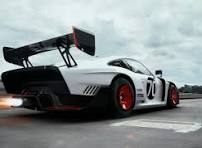
From 6-hour battles to legendary 24-hour races like the 24 Hours of Le Mans, endurance racing pushes both machines and drivers beyond their limits.
What Are Endurance Racing Cars?
Endurance racing cars are high-performance vehicles engineered to withstand extreme mechanical stress over long durations. These vehicles are optimized for:
- Aerodynamic efficiency
- Fuel economy and hybrid systems
- Tire longevity
- Engine durability
- Rapid pit-stop serviceability
They are built for sustained high-speed performance rather than short bursts of acceleration.
Types of Endurance Racing Cars
1️⃣ Le Mans Hypercars (LMH)
Le Mans Hypercars represent the pinnacle of endurance racing technology. These cars combine advanced aerodynamics with hybrid powertrains and cutting-edge materials.
Major manufacturers competing include:
- Ferrari
- Toyota
- Porsche
- Peugeot
Key Features:
- Hybrid electric boost systems
- Carbon fiber monocoque chassis
- 670+ horsepower
- Advanced energy recovery systems
2️⃣ LMP2 (Le Mans Prototype 2)
LMP2 cars are slightly less powerful but extremely competitive. These cars are cost-controlled prototypes used by privateer teams.
Characteristics:
- Standardized chassis suppliers
- V8 naturally aspirated engines
- High downforce aerodynamics
- Lightweight racing components
3️⃣ GT Endurance Cars (GT3 / GTE)
GT endurance cars are based on road-going supercars but heavily modified for track performance.
Examples include cars from:
- Aston Martin
- Chevrolet
- BMW
These cars offer closer racing and strong brand identity since they resemble street vehicles.
Major Endurance Racing Championships
🏆 FIA World Endurance Championship (WEC)
The FIA World Endurance Championship is the premier global endurance racing series.
It includes iconic races such as:
- 24 Hours of Le Mans
- 6 Hours of Spa-Francorchamps
🏁 IMSA WeatherTech SportsCar Championship
The IMSA SportsCar Championship features endurance events across North America.
Major races include:
- 24 Hours of Daytona
- 12 Hours of Sebring
Engineering Behind Endurance Racing Cars
Aerodynamics
Endurance racing cars use advanced wind tunnel testing to balance downforce and drag. Unlike Formula cars, they require:
- Stability over long stints
- Reduced tire wear
- Consistent cooling airflow
Hybrid Technology & Energy Recovery
Modern endurance racing cars integrate hybrid systems similar to those seen in Formula 1.
Hybrid benefits include:
- Electric boost on straights
- Improved fuel efficiency
- Regenerative braking systems
Engine Durability
Unlike sprint racing engines, endurance engines must last:
- 6 to 24 continuous hours
- Extreme heat cycles
- Thousands of gear shifts
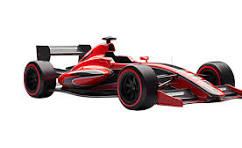
Reliability is often more important than raw speed.
Strategy in Endurance Racing
Endurance racing is as much about strategy as speed.
🔄 Pit Stop Strategy
- Tire changes
- Driver swaps
- Refueling
- Quick repairs
A perfectly executed pit stop can win or lose a race.
👥 Driver Rotation
Teams typically use 2–3 drivers per car. Managing fatigue is critical.
⛽ Fuel & Tire Management
Smart energy deployment and tire conservation are essential for long-term performance.
Top Endurance Racing Cars in History
Porsche 919 Hybrid
Developed by Porsche, this car dominated Le Mans with hybrid innovation.
Audi R18 e-tron quattro
Built by Audi, it pioneered diesel-hybrid endurance technology.
Toyota GR010 Hybrid
Produced by Toyota, this car competes in the Hypercar class today.
Why Endurance Racing Cars Are Unique
Unlike sprint formats, endurance racing demands:
- Mechanical reliability
- Tactical decision-making
- Multi-driver teamwork
- Night racing adaptability
- Weather resilience
It is often called the ultimate test of automotive engineering.
SEO Keywords for Endurance Racing Cars
Primary Keywords:
- endurance racing cars
- Le Mans endurance cars
- WEC race cars
- IMSA prototype cars
- hypercar endurance racing
Long-Tail Keywords:
- fastest endurance racing cars 2026
- hybrid endurance race cars
- GT3 endurance race cars
- endurance racing car specs
- buy endurance race car
The Future of Endurance Racing Cars
The future focuses on:
- Sustainable fuels
- Hydrogen technology
- Advanced hybrid systems
- Improved safety structures
Manufacturers continue investing heavily as endurance racing directly influences road car technology.
If you’d like, I can now:
- Add meta title & meta description (SEO optimized)
- Generate image prompts for website banners
- Create a WordPress-ready formatted version
- Or expand this to a full 5000+ word authority article** 🚀
What Makes Endurance Racing Different?
Endurance racing is unique because it combines:
- Long-duration competition (6–24+ hours)
- Multiple drivers per car
- Complex fuel and tire strategies
- Mechanical reliability under stress
- Night and variable weather racing
Winning is not about leading every lap — it’s about lasting the distance with minimal mistakes.
The Engineering Philosophy Behind Endurance Racing Cars
1️⃣ Built for Reliability, Not Just Speed
In sprint formats like Formula 1, cars are designed for maximum performance over shorter distances. Endurance racing cars, however, must:
- Run at high speeds for thousands of kilometers
- Withstand heat cycles and component wear
- Maintain engine performance over long stints
- Avoid catastrophic mechanical failures
A small mechanical issue can end a 24-hour race instantly.
2️⃣ Advanced Aerodynamics for Stability
Endurance cars balance:
- High downforce for cornering grip
- Low drag for top speed on long straights
- Cooling efficiency for brakes and engines
Unlike short races, aerodynamic stability is crucial during night driving and changing weather conditions.
3️⃣ Hybrid Technology & Energy Recovery
Modern endurance racing cars use hybrid systems to improve efficiency and performance. Leading manufacturers such as:
- Toyota
- Ferrari
- Porsche
have developed advanced energy recovery systems that:
- Capture energy under braking
- Provide electric boost on acceleration
- Improve fuel economy during long stints
Hybrid endurance cars represent the future of performance and sustainability.
Types of Endurance Racing Cars
🔥 Hypercars (LMH / LMDh)
Hypercars are the fastest class in endurance racing today. They feature:
- 670+ horsepower
- Hybrid powertrains
- Carbon fiber monocoque chassis
- Cutting-edge aerodynamics
These cars headline races like the 24 Hours of Le Mans.
🚗 LMP2 Prototypes
LMP2 cars are cost-controlled prototype machines designed for competitive private teams. They are lighter and slightly less powerful than Hypercars but deliver intense wheel-to-wheel racing.
🏎 GT Endurance Cars
GT cars are based on production sports cars but heavily modified for racing. Brands like:
- Aston Martin
- BMW
- Chevrolet
compete in GT endurance categories, offering fans recognizable car designs with racing upgrades.
Strategy: The Heart of Endurance Racing
Endurance racing is often described as “a chess match at 300 km/h.”
⛽ Fuel Strategy
Teams must carefully calculate:
- Fuel consumption per lap
- Optimal pit stop windows
- Hybrid energy deployment
Running one extra lap before refueling can determine victory.
🔄 Driver Rotation
Typically, 2–3 drivers share one car. Teams must manage:
- Driver fatigue
- Night-time visibility challenges
- Changing track conditions
Physical and mental endurance is just as important as driving skill.
🛞 Tire Management
Tire wear is critical in long races. Drivers must balance:
- Aggressive cornering
- Tire temperature
- Grip consistency over long stints
Conserving tires can reduce pit stops and gain crucial track position.
The Mental and Physical Challenge
Endurance racing drivers face:
- Sleep deprivation
- Extreme cockpit temperatures
- High G-forces
- Night racing under limited visibility
A 24-hour race tests human stamina as much as mechanical durability.
Why Endurance Racing Is Called the Ultimate Test
Endurance racing is considered the ultimate motorsport challenge because it demands:
- Engineering precision
- Team coordination
- Tactical intelligence
- Mechanical reliability
- Driver consistency
Unlike sprint races, endurance racing rewards discipline and resilience over aggression.
The Global Impact of Endurance Racing
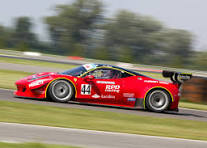
Technologies developed in endurance racing often transfer to road cars, including:
- Hybrid systems
- Lightweight materials
- Advanced braking technology
- Improved fuel efficiency
Manufacturers use endurance racing as a laboratory for innovation.
The Future of Endurance Racing Cars
The next generation focuses on:
- Sustainable fuels
- Carbon-neutral racing initiatives
- Advanced hybrid systems
- Improved safety technology
The evolution of endurance racing continues to shape the future of automotive engineering worldwide.
Final Thoughts
Endurance racing cars are more than just fast machines — they are masterpieces of engineering designed to survive extreme conditions. From the historic 24-hour battles at Le Mans to modern hybrid hypercars competing globally, endurance racing remains one of the most demanding and respected forms of motorsport.
It is not simply about speed.
It is about survival, precision, teamwork, and strategy — sustained over hours of relentless competition.
If you’d like, I can now:
- Expand this into a 5,000+ word SEO authority article
- Add meta description + focus keywords
- Or create a WordPress formatted version with internal linking suggestions 🚀
Get smarter responses, upload files and images, and more.
Log in
Sign up for free
1️⃣ Relentless Duration
Unlike short-format races, endurance events last 6, 12, or even 24 hours nonstop. Cars must maintain competitive speed while surviving extreme mechanical stress. Every component — engine, gearbox, brakes, suspension — is pushed to its limits for an entire day (or night).
2️⃣ Multiple Drivers, One Machine
Endurance racing requires 2–4 drivers sharing the same car. Consistency is crucial. Each driver must adapt to changing track conditions while preserving the car for teammates. Smooth driving often beats aggressive speed.
3️⃣ Extreme Mechanical Stress
Prototypes and GT cars run at near-maximum performance for hours. Hybrid systems, turbocharged engines, and advanced aerodynamics must operate flawlessly. Reliability is often more important than outright pace.
4️⃣ Day-to-Night Transitions
Drivers race through daylight, darkness, cold night air, and rising morning heat. Visibility drops dramatically at night, and fatigue becomes a serious factor. Surviving the night is often the key to winning.
5️⃣ Strategic Pit Stops
Winning isn’t just about speed — it’s about strategy. Teams carefully plan fuel loads, tire changes, and driver swaps. A perfectly timed pit stop under a safety car can change the outcome of the race.
6️⃣ Traffic Management
Top-tier prototypes share the track with slower GT cars in multi-class racing. Navigating heavy traffic without losing time — or causing contact — requires precision and patience.
7️⃣ Survival Over Sprinting
In sprint racing, you push flat-out from start to finish. In endurance racing, it’s about balance. Managing tire wear, brake temperatures, fuel consumption, and mechanical health is the true test. The car that survives — not just the fastest — usually wins.
🔥 The Ultimate Motorsport Battle
Modern endurance cars competing in championships like the FIA World Endurance Championship combine cutting-edge hybrid technology, aerodynamics, and durability. Manufacturers such as Toyota, Ferrari, and Porsche use endurance racing as the ultimate proving ground for innovation.
🏆 Final Thoughts
Endurance racing cars are not just built to be fast — they are engineered to survive, adapt, and conquer over hours of relentless competition. That’s what makes them the ultimate test of speed, strategy, and survival.
If you’d like, I can also turn this into a fully SEO-optimized 1,000+ word blog article with meta descriptio