From endurance marathons Car Races that pushed engineering to its limits, to desert runs where humans chased the sound barrier, these ten races rewrote the rulebook on how fast we can go — and why speed matters. Below: the stories, the places, and map links so you can follow the lines these legends left on the world. Speed & Records | Interactive Maps | Racing History | Upcoming Races
24 Hours of Le Mans — the endurance test that changed performance forever
First run in 1923, the 24 Hours of Le Mans became the ultimate proving ground for manufacturers: speed must be married to durability. Engineers learned to design cars that could sprint for long stints, leading directly to innovations in aerodynamics, braking and fuel economy that trickled into road cars. Read the Automobile Club de l’Ouest’s history for full context. :contentReference[oaicite:0]{index=0}
Visit: Circuit de la Sarthe — Le Mans (Google Maps)
Indianapolis 500 — speed, spectacle, and the birth of modern oval racing
Since 1911 the Indianapolis 500 has pushed teams to optimize top speed and pit turnaround — innovations in aerodynamics and tire technology were accelerated by Indy competition and helped define what a “fast” race car must be. Explore the IMS archive for century-spanning stats and milestones. :contentReference[oaicite:1]{index=1}
Visit: Indianapolis Motor Speedway (Google Maps)
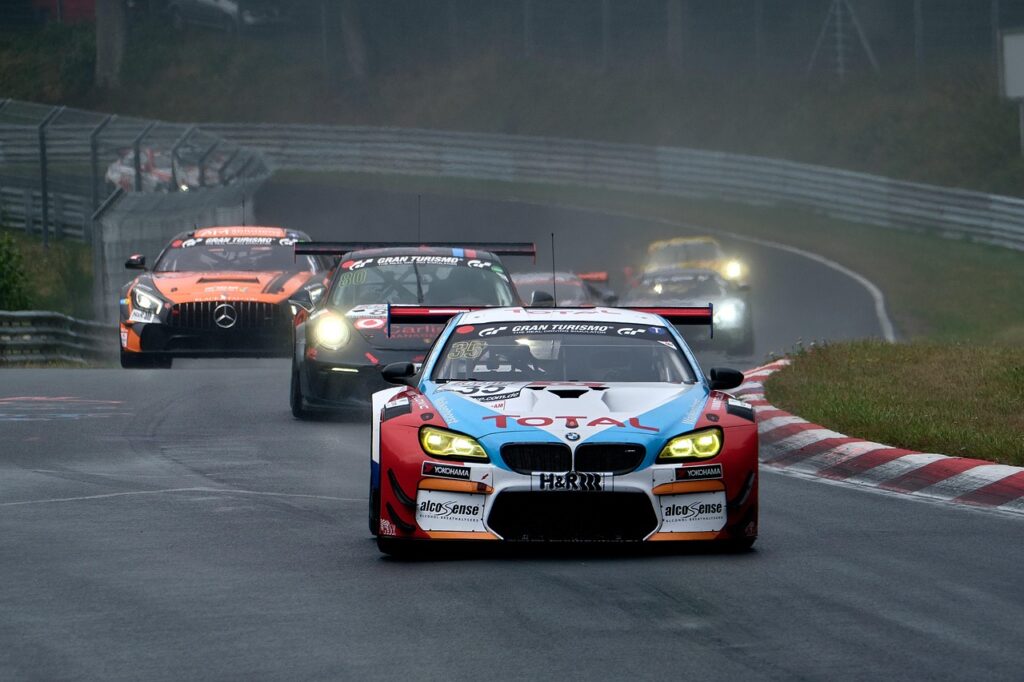
Daytona 500 — stock cars hunting sustained speed on banked ovals
The Daytona 500 turned stock-car racing into a science of drafting, aero tweaks and sustained high-speed reliability. NASCAR teams learned how to keep heavy machines lapping fast for hundreds of miles — a lesson in endurance and top-end trim that changed production-car aero thinking.
Visit: Daytona International Speedway (Google Maps)
Mille Miglia — the road race that taught speed on public highways
The Mille Miglia (Italy) — a thousand-mile sprint across public roads — forced manufacturers to balance outright speed with road manners and durability. Its dramatic spectacle (and its engineering demands) helped advance suspension, cooling and chassis design in the 1920s–1950s era.
Visit: Brescia (traditional Mille Miglia start/finish)
Carrera Panamericana — Mexico’s brutal border-to-border speed test
In the early 1950s the Carrera Panamericana was a high-speed run across Mexico that tested cars and nerves on mixed terrain and long stages at speed. It taught teams how to optimize reliability under sustained stress — an invaluable lesson for post-war performance engineering.
Visit: Historic Carrera Panamericana route (map search)
Pikes Peak International Hill Climb — beating the mountain, second by second
Known as “The Race to the Clouds,” Pikes Peak (since 1916) forced cars to perform at altitude where air is thin and cooling is compromised. Record runs (including record-shattering modern electric and prototype efforts) redefined what traction, aerodynamics and drivetrain design must do at extreme grades. The PPIHC site offers a full history and recent record runs. :contentReference[oaicite:2]{index=2}
Visit: Pikes Peak Highway / Summit (Google Maps)
Bonneville Salt Flats — where the land speed dream became real
From Malcolm Campbell’s Bluebird to modern streamliners, Bonneville has been the salt-slick proving ground for absolute speed. Records set here pushed engineering toward extreme aerodynamic cleanliness, engine power and chassis stability — and they inspired a whole culture of speed-week innovation. Read Bonneville’s land-speed history for more. :contentReference[oaicite:3]{index=3}
Visit: Bonneville Salt Flats / Wendover (Google Maps)
Black Rock Desert & ThrustSSC — the day a car shattered the sound barrier
The ThrustSSC run in the Black Rock Desert (1997) remains the moment a land vehicle officially broke the sound barrier (1,228 km/h / 763 mph). That run forced rocket- and jet-powered vehicle engineering into new territory — aerodynamic stability at transonic speeds, driver safety, and testing in extreme desert conditions. See the ThrustSSC record and Guinness World Records entry for the official numbers. :contentReference[oaicite:4]{index=4}
Visit: Black Rock Desert (ThrustSSC site / Nevada)
Nürburgring Nordschleife — the crucible for cornering speed and balance
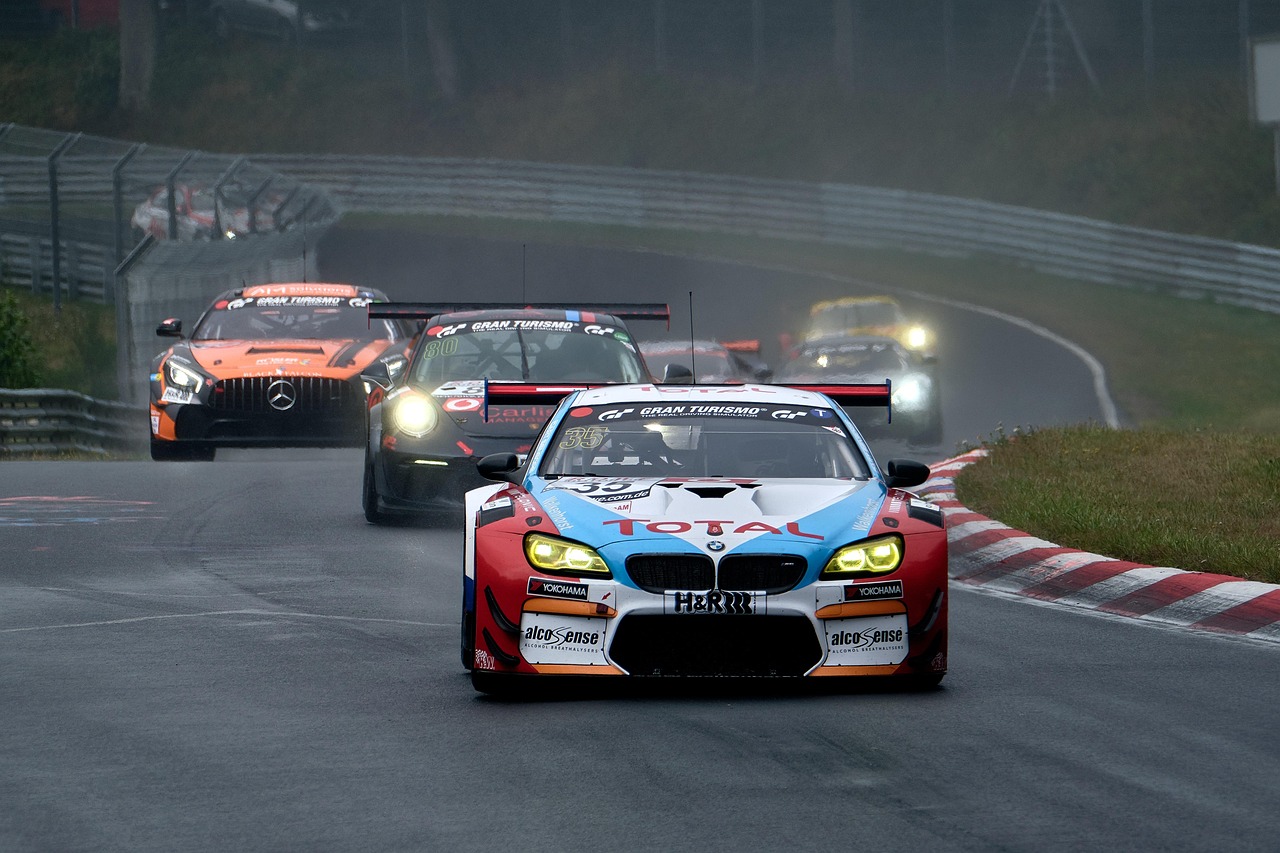
Nicknamed the “Green Hell,” the Nordschleife pushed manufacturers to optimize handling and braking under ruthless conditions. Lap records at the Nürburgring became performance benchmarks — chasing a fast ‘Ring time spurred aero breakthroughs, tire technology and chassis tuning that improved overall vehicle speed in real-world conditions. (See the running list of Nordschleife lap times for the modern record chase.) :contentReference[oaicite:5]{index=5}
Visit: Nürburgring / Nordschleife (Google Maps)
Dakar Rally (Paris–Dakar origins) — when speed met survival across continents
The original Paris-Dakar (now the Dakar Rally) added a new dimension: speed across dunes, rocks and open deserts. Vehicles and teams had to pair pace with navigation, durable drivetrains and quick repairability — lessons that changed rally car design and cross-country performance thinking worldwide.
Visit: Dakar Rally stage maps (varies by year)
Bathurst 1000 — Australia’s high-speed mountain test
The Bathurst 1000 at Mount Panorama is equal parts sprint and climb, forcing touring cars to balance outright speed with brake resilience and engine cooling on a track with brutal elevation changes. It remains a key benchmark for high-speed endurance in production-based racing.
Visit: Mount Panorama / Bathurst (Google Maps)
Why these races redefined speed
Each race forced engineers and drivers into a new problem set: how to go faster without falling apart. That pressure produced better aerodynamics, stronger materials, improved cooling systems, smarter tires, and faster pit work. Collectively, the innovations born on these tracks trickled into the cars we drive today.
Want a downloadable map pack of all ten locations and short fact cards to share with readers? Download a printable PDF from our Maps page or get an interactive pinset to embed on your site.
Sources & further reading: official race sites and historical pages (24 Heures du Mans, Indianapolis Motor Speedway), Pikes Peak International Hill Climb, Bonneville / Speed Week histories, ThrustSSC / Guinness World Records, and Nürburgring lap-time listings. :contentReference[oaicite:6]{index=6}
© speedsrun.online — your map to the history of velocity.
Evolution of Race Engineering: From Steel Frames to Carbon Fiber Rockets
Over the decades, car races have forced a revolution in automotive engineering. From the bulky steel frames of the 1920s to today’s lightweight carbon fiber chassis, every innovation was born on the track. This relentless pursuit of speed turned racing into a laboratory for tomorrow’s road technology. Learn more about engineering breakthroughs at Autocar’s Carbon Fiber Evolution or explore design evolution at speedsrun.online/tech.
Speed Legends: Drivers Who Became Immortal
The story of speed isn’t complete without the icons who risked it all — Ayrton Senna, Stirling Moss, and Lewis Hamilton turned circuits into battlegrounds of human endurance. These names symbolize courage under pressure. Discover their legacies in our Speed Legends archive or visit the Monaco Grand Prix Circuit (Google Maps).
Formula One Evolution: When Every Millisecond Counts
Formula One isn’t just a race — it’s a fusion of technology, teamwork, and physics. The competition’s demand for efficiency and precision has birthed innovations like kinetic energy recovery systems (KERS) and advanced hybrid engines. Dive deeper into modern F1 technology at Formula1.com.
Electric Revolution: Formula E’s Silent Speed Surge
The rise of Formula E has proven that speed and sustainability can coexist. Electric race cars are redefining what it means to be fast, with instant torque and zero emissions. Fans can attend real street circuits in global cities — find nearby events via Formula E track locations.
Street Racing Culture: The Underground Heartbeat of Speed
Away from the official circuits lies the underground world of street racing — a raw, unfiltered display of car passion. Though dangerous, its influence on modern motorsport aesthetics and culture is undeniable. Explore legal alternatives at Street-Legal Racing Events.
Women Behind the Wheel: Breaking Speed Barriers
From Michele Mouton in rally racing to Danica Patrick in IndyCar, women have shattered stereotypes on the world’s fastest tracks. Their impact continues to grow, inspiring a new generation of racers. Read inspiring profiles on Women in Racing.
Historic Circuits Still Alive Today
Some racetracks never lose their glory — circuits like Silverstone, Spa-Francorchamps, and Monza remain pillars of racing history. Their design and atmosphere continue to define what a true racing circuit should feel like. Visit Silverstone Circuit (Google Maps) to witness racing history up close.
Technology and Telemetry: Racing’s Invisible Weapon
Today’s cars generate terabytes of data mid-race. Telemetry allows engineers to analyze performance in real time, ensuring cars operate at peak precision. This invisible layer of racing intelligence defines modern competition. Learn how telemetry works at Motorsport Tech.
Sim Racing: The Virtual Future of Competition
Simulation racing has evolved into a professional sport, allowing racers to compete digitally across continents. It’s a gateway to real racing and a testament to how technology blurs the line between simulation and asphalt. Explore virtual racing hubs at speedsrun.online/simracing.
Racing Safety Evolution: From Danger to Data-Driven Protection
Safety technology in motorsports has evolved dramatically — from rudimentary helmets to HANS devices and full roll cages. Every tragic crash led to safer design principles, saving countless lives. Explore FIA’s safety research at FIA Safety Initiatives.
Eco-Speed: Hydrogen and Hybrid Cars Enter the Arena
The next frontier of car racing involves clean energy. Hydrogen-powered prototypes are already competing in endurance events, proving that sustainability doesn’t mean slow. Learn about the future of green racing at Hydrogen Council Motorsport.
Desert Rallies: Speed Meets Survival
Desert racing events like the Abu Dhabi Desert Challenge and Africa Eco Race push drivers to battle heat, sandstorms, and mechanical strain. It’s a survival race disguised as a speed contest. Check out rally maps via Desert Rally Routes.
Racing Rivalries That Defined Eras
The greatest races often come down to rivalries — Ford vs Ferrari, Senna vs Prost, Hamilton vs Verstappen. These clashes transcend sport, representing philosophies of engineering and ambition. Revisit legendary rivalries at speedsrun.online/rivalries.
World Rally Championship: The Art of Controlled Chaos
The WRC proves that speed isn’t just about straight lines. Drivers navigate snow, gravel, and asphalt — redefining control at every corner. Each season pushes vehicles to handle unpredictable elements at high velocity. Learn more at WRC Official Site.
Supercar Evolution: Road Cars Inspired by Racetracks
Every major automaker’s supercar owes its DNA to racing. Aerodynamics, braking systems, and hybrid tech all trace back to lessons learned from competition. See how supercars were born from racetrack innovation on speedsrun.online/supercars.
Extreme Weather Races: Speed Against Nature
Races like the Ice Race of Zell am See and Arctic Rally Finland redefine traction and control. Competitors face icy corners at terrifying speeds, proving that true speed is adaptability. Explore extreme racing venues at Arctic Rally Finland (Map).
Race Technology Transfer: From Track to Street
Racing has always been the testing ground for the technology that later reaches our daily drives — from disc brakes to hybrid drivetrains. Learn how racing shaped modern cars at Car and Driver Feature.
Endurance Racing Psychology: The Mental Side of Speed
Beyond engines and tires, endurance racing is a test of human resilience. Drivers face exhaustion, dehydration, and split-second decisions at 200 mph. Mental focus becomes the ultimate fuel. Explore techniques of race psychology on speedsrun.online/mindset.
Historic Reenactments: Keeping Classic Racing Alive
Events like the Goodwood Revival celebrate motorsport heritage by reviving vintage cars and traditional attire. It’s where nostalgia meets adrenaline. Check location details at Goodwood Motor Circuit (Google Maps).
Fan Culture and Global Speed Festivals
Fans are the heartbeat of motorsport. From Goodwood Festival of Speed to Monterey Car Week, enthusiasts gather to celebrate velocity, engineering, and design. Find events near you using Google Maps or our Speed Events Calendar.
Gran Turismo: Virtual Speed Meets Real Engineering
The Gran Turismo series blurred the line between gaming and real-world racing, inspiring generations of drivers and engineers. Many racers, like Jann Mardenborough, transitioned from simulation to professional motorsport. Explore this fascinating bridge between pixels and pavement on speedsrun.online/granturismo.
The Rise of Hypercar Endurance Racing
Endurance events like the FIA World Endurance Championship now feature hypercars that push the limits of hybrid performance and aerodynamics. These machines redefine what’s possible at Le Mans and beyond. Learn more at FIA WEC Official Site.
Historic Speed Records at Brooklands
Brooklands in Surrey, England, was the world’s first purpose-built race track, where early 20th-century drivers broke the sound of silence with raw mechanical power. Visit its preserved banking at Brooklands Museum (Google Maps) or read its legacy at speedsrun.online/history.
The Japanese Street Racing Legacy
Japan’s mountain passes (touge) gave birth to precision driving and drifting culture, later professionalized in motorsport. Tracks like Fuji Speedway embody that balance of art and control. See it for yourself at Fuji Speedway (Google Maps).
Le Mans Prototype (LMP) Era: Where Design Meets Destiny
The Le Mans Prototype era saw breathtaking machines like the Audi R18 and Toyota TS050 dominate global endurance racing. These cars are marvels of aerodynamic and hybrid synergy. Learn about their design evolution at speedsrun.online/prototypes.
GT Racing: Balance of Power and Passion
GT racing showcases cars close to street-legal form but tuned for track ferocity. Brands like Ferrari, Aston Martin, and Porsche test their metal in series like GT World Challenge. See event listings at GT World Challenge.
Ice Speed Records in Sweden’s Arctic Circle
On frozen lakes of northern Sweden, specialized cars reach unimaginable speeds on ice. Engineers study traction physics and tire design under extreme conditions. Visit Arjeplog (Swedish Ice Testing Grounds).
Drag Racing: The Pure Essence of Acceleration
In just seconds, drag racers unleash thousands of horsepower to cover a quarter-mile strip. It’s pure, unfiltered speed. Explore the roots of NHRA drag racing at NHRA Official Site or visit drag strips near you.
Rallycross: Controlled Chaos in the Dirt
Rallycross combines tarmac, dirt, and jumps in short, adrenaline-fueled races. These compact contests test precision and aggression. Experience the thrill live at FIA World Rallycross Championship.
Race Strategy: The Invisible Battle of Minds
Every race isn’t just a physical challenge — it’s a chess match at 200 mph. Tire compounds, fuel windows, and pit timing can decide championships. Learn how race engineers strategize at speedsrun.online/strategy.
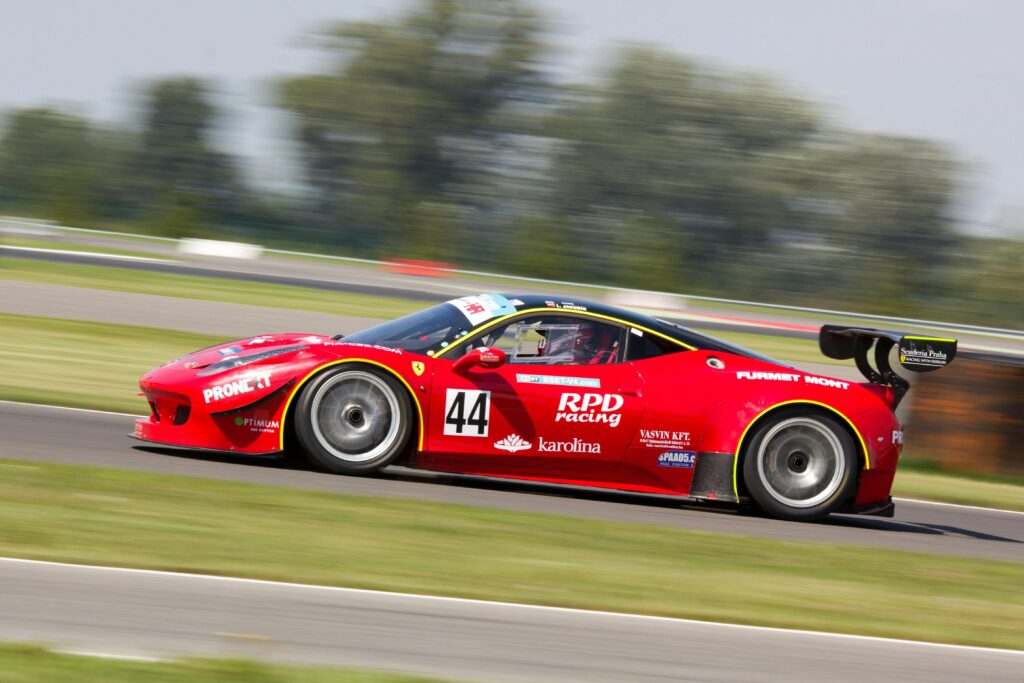
Electric Hypercars: A New Definition of Speed
The Rimac Nevera and Lotus Evija are redefining performance benchmarks with instant electric torque. Track locations for testing these marvels include Nardò Technical Center (Google Maps).
Desert Storms: The Baja 1000 Challenge
The Baja 1000 tests man, machine, and sand over 1,000 miles of Mexico’s desert. Drivers fight fatigue, dunes, and dust at breakneck speeds. Explore race routes via Baja 1000 route.
Nordic Ice Rallies: The Scandinavian Speed Spirit
Scandinavian countries have bred some of the world’s fastest rally drivers thanks to icy roads that sharpen reflexes. Witness winter rally action through WRC Rally Sweden.
Time Attack: Beating the Clock, Not the Competition
Time Attack challenges drivers to set the fastest single lap possible. It’s a battle between machine precision and driver focus. Follow global events on Global Time Attack.
Mountain Pass Masters: The Legacy of Hill Climbs
Beyond Pikes Peak, Europe and Asia host dozens of legendary hill climbs, testing acceleration and courage on twisting roads. Find routes like the Mont Ventoux Hill Climb (France) or speedsrun.online/hillclimbs.
Retro Racing: The Golden Age Revived
Vintage car races like the Monaco Historic Grand Prix and Goodwood Revival celebrate the golden era of motorsport, bringing timeless machines back to life. Check schedules at Goodwood Revival Official Site.
Speed Records in the Digital Age
With advanced sensors and telemetry, every millisecond is now measurable. Digital analytics define racing success, blending software with horsepower. Explore data-driven motorsport on speedsrun.online/analytics.
Motorsport Academies: Training the Next Generation of Speed
Global academies like the Ferrari Driver Academy and Red Bull Junior Team shape future champions by combining science, fitness, and mindset. Find nearby karting schools via Google Maps.
Iconic Street Circuits: When Cities Turn into Racetracks
Street circuits like Baku, Singapore, and Monaco transform urban landscapes into high-speed challenges. Each offers razor-thin margins and stunning backdrops. See the layout of Marina Bay Street Circuit (Singapore).
Luxury and Speed: Hypercar Showdowns at Goodwood
The Goodwood Festival of Speed unites history’s greatest machines in one uphill sprint. Manufacturers showcase cutting-edge prototypes that push the speed frontier. Learn more at Goodwood Festival of Speed.
Frequently Asked Questions About Car Races
What makes Car Races so exciting to watch?
Car Races combine speed, skill, and strategy, keeping fans on the edge of their seats. The blend of engine power, aerodynamic precision, and human reflexes creates a truly thrilling spectacle.
Which are the most famous Car Races in the world?
Some of the most iconic Car Races include the Formula 1 Grand Prix, the 24 Hours of Le Mans, the Indianapolis 500, and the Daytona 500.
What is the oldest Car Race in history?
The Paris–Rouen race of 1894 is recognized as the first organized Car Race, marking the birth of motorsport as we know it.
How do Car Races differ from Rally Racing?
Traditional Car Races occur on closed circuits, while rally racing happens on public or off-road stages with varying terrain, weather, and navigation challenges.
What kind of cars are used in professional Car Races?
Professional Car Races use purpose-built race cars—like F1, GT3, or Touring Cars—engineered for extreme performance, safety, and aerodynamics.
How fast can cars go during top-tier Car Races?
In premier Car Races like Formula 1 or IndyCar, vehicles can exceed 230 mph (370 km/h) on straights, depending on track design and engine power.
Where can I see live Car Races near me?
You can find local motorsport events on Google Maps by searching Car Races near me.
What safety features are used in Car Races?
Modern Car Races use roll cages, carbon-fiber monocoques, HANS devices, and fireproof suits to protect drivers during crashes and high-speed incidents.
Which Car Races feature electric vehicles?
Formula E and Extreme E are global Car Races featuring fully electric vehicles, highlighting sustainability and innovation in motorsport.
What’s the difference between street and track Car Races?
Street Car Races occur on temporary urban circuits (like Monaco or Singapore), while track races happen on purpose-built racing facilities.
Can anyone participate in amateur Car Races?
Yes, many local and club-level Car Races allow amateurs to participate after completing safety training and obtaining a racing license.
How are Car Races timed and judged?
Timing systems using transponders and photo-finish cameras record lap times down to thousandths of a second to determine Car Race positions.
What are endurance Car Races?
Endurance Car Races, such as the 24 Hours of Le Mans, test not only speed but reliability, teamwork, and strategic pit stops over long durations.
How do pit stops affect Car Races?
Pit stops are crucial in Car Races for refueling, tire changes, and repairs. A well-coordinated pit crew can save vital seconds and win championships.
What is the most dangerous type of Car Race?
Open-road endurance events and high-speed ovals are considered the most dangerous due to minimal runoff areas and extreme speeds.
What technologies come from Car Races to street cars?
Car Races drive innovation in brakes, suspension, aerodynamics, and hybrid systems—many of which later appear in consumer vehicles.
Are there women competing in professional Car Races?
Absolutely. Drivers like Danica Patrick, Susie Wolff, and Jamie Chadwick have competed in major Car Races, inspiring more inclusivity in motorsport.
What is the future of Car Races in terms of sustainability?
The future of Car Races lies in electric, hybrid, and hydrogen-powered vehicles, emphasizing clean energy and reduced carbon emissions.
Which country hosts the most Car Races each year?
The United States hosts the most Car Races annually, covering series like NASCAR, IndyCar, IMSA, and grassroots motorsports.
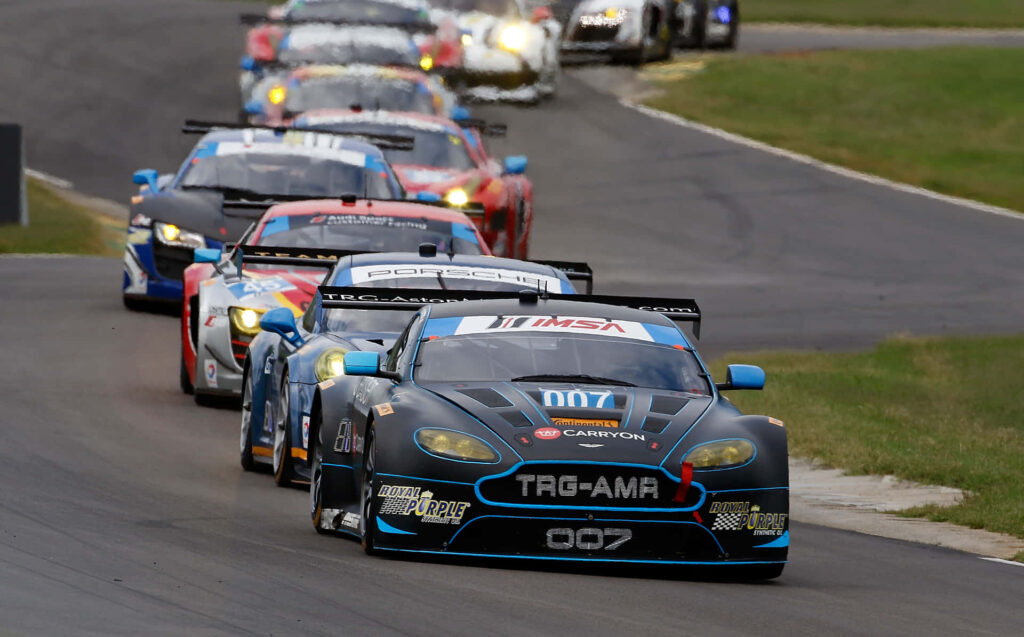
How do weather conditions affect Car Races?
Rain, temperature, and wind drastically impact grip, aerodynamics, and tire wear, often changing strategies mid-race.
How do Car Races contribute to automotive research?
Car Races act as high-speed laboratories where manufacturers test new materials, sensors, and propulsion systems under extreme stress.
What are virtual Car Races or eRacing?
Virtual Car Races simulate real-world racing on digital platforms like iRacing or Assetto Corsa, attracting global esports audiences.
Why do Car Races attract massive audiences worldwide?
Car Races captivate millions through their blend of danger, competition, and technological marvels, often broadcast across 180+ countries.
How are tracks for Car Races designed?
Car Race tracks are engineered for safety and excitement, featuring complex corners, elevation changes, and overtaking zones. Famous examples include Spa-Francorchamps (Google Maps) and Monaco Circuit.
Where can I learn more about global Car Races?
For deeper insights, results, and analysis, visit speedsrun.online, or follow updates from Motorsport.com and Autosport.