The world of motorsports has always been a playground for innovation, where speed, efficiency, and engineering excellence intersect. From the early days of bulky race machines to today’s ultra-light, aerodynamically optimized vehicles, every generation has pushed the limits of performance. One of the most intriguing and futuristic developments in vehicle design is the Blended Wing Body (BWB) concept.
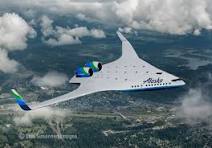
Originally pioneered in aviation, BWB design is now making its way into automotive engineering—particularly in high-performance and experimental racing cars. By merging the body and aerodynamic surfaces into a unified structure, BWB racing cars promise to revolutionize speed, stability, and fuel efficiency.
This article explores the concept of BWB racing cars, their design principles, advantages, challenges, and their potential impact on the future of motorsports.
What is a Blended Wing Body (BWB)?
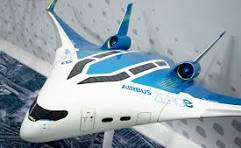
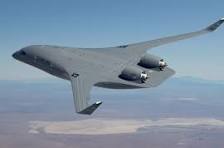
A Blended Wing Body is a design approach where the vehicle’s main body smoothly integrates with its aerodynamic surfaces, eliminating distinct separations between components like the chassis, wings, and side panels.
Unlike traditional cars that have:
- A clear body
- Separate wings or spoilers
- Defined edges and surfaces
BWB vehicles feature:
- Smooth, flowing curves
- Integrated aerodynamic shaping
- Reduced drag surfaces
Origins in Aviation (BWB) Racing Cars
The BWB concept was first explored in aircraft design to:
- Improve fuel efficiency
- Reduce drag
- Increase lift
Now, engineers are adapting these same principles for racing cars.
Evolution of Racing Car Aerodynamics
Traditional Design Approach
Conventional racing cars rely on:
- Front and rear wings
- Diffusers
- Side skirts
These components generate downforce but also:
- Increase drag
- Add complexity
- Limit efficiency at extreme speeds
Transition Toward Integrated Aerodynamics (BWB) Racing Cars
Modern engineering is shifting toward:
- Seamless body integration
- Reduced external attachments
- Computational fluid dynamics (CFD)-driven shapes
This transition sets the stage for BWB racing designs.
Key Features of BWB Racing Cars
1. Seamless Body Integration
The body, wings, and aerodynamic surfaces merge into one continuous structure, eliminating airflow disruptions.
2. Reduced Drag Coefficient
With fewer sharp edges and protrusions, BWB cars cut through air more efficiently, increasing top speed.
3. Enhanced Downforce Distribution (BWB) Racing Cars
Instead of relying on external wings, downforce is generated across the entire body surface.
4. Wider Surface Area
The broader body allows:
- Better airflow control
- Increased stability
- Improved cornering performance
Image Section (External View)
(Place this under a section on your website)
Suggested Caption:
“Conceptual external design of a Blended Wing Body racing car showing smooth aerodynamic flow.”
- Image Idea 1: Futuristic BWB race car concept render
- Image Idea 2: Top-down view showing blended structure
- Image Idea 3: Wind tunnel airflow visualization
Internal Structure and Engineering (BWB) Racing Cars
Unlike traditional race cars, BWB vehicles require a complete rethink of internal layout.
1. Chassis Design (BWB) Racing Cars
- Integrated monocoque structure
- Load distributed across entire body
- Reduced structural stress points
2. Driver Positioning
- Often more centralized
- Lower seating position for stability
- Enhanced safety due to surrounding structure
3. Powertrain Integration
- Electric or hybrid systems are preferred
- Batteries can be distributed across the body
- Improved weight balance
Image Section (Internal View)
Suggested Caption:
“Internal structure of a BWB racing car showing integrated chassis and powertrain layout.”
- Image Idea 1: Cutaway diagram
- Image Idea 2: Driver cockpit view
- Image Idea 3: Battery and motor placement
Advantages of BWB Racing Cars
1. Superior Aerodynamic Efficiency
BWB designs drastically reduce air resistance, allowing higher speeds with less power.
2. Increased Stability
The wide, integrated body improves balance and reduces the risk of flipping at high speeds.
3. Energy Efficiency
- Lower drag = less energy consumption
- Ideal for electric racing series
4. Innovative Design Flexibility
Engineers can experiment with:
- Unique shapes
- New materials
- Advanced airflow systems
Challenges and Limitations (BWB) Racing Cars
1. Engineering Complexity (BWB) Racing Cars
Designing a BWB car requires:
- Advanced simulations
- New manufacturing techniques
- High development costs
2. Regulatory Barriers
Motorsport governing bodies often have strict design rules, limiting radical concepts.
3. Driver Adaptation
Drivers must adjust to:
- Different visibility
- Unique handling characteristics
4. Cooling Issues (BWB) Racing Cars
Integrated designs may restrict airflow needed for:
- Engines
- Batteries
- Braking systems
Use in Modern Motorsports
While BWB racing cars are still largely experimental, they are gaining traction in:
1. Electric Racing Series (BWB) Racing Cars
Electric vehicles benefit most from aerodynamic efficiency, making BWB a natural fit.
2. Concept Racing Prototypes
Manufacturers use BWB designs to:
- Showcase innovation
- Test future technologies
3. Autonomous Racing
BWB layouts are ideal for AI-driven vehicles due to:
- Flexible internal configurations
- Optimized sensor placement
Future Potential of BWB Racing Cars
The future of BWB in motorsports looks promising due to several trends:
1. Rise of Electric Vehicles
As racing shifts toward sustainability, BWB designs will become more relevant.
2. Advanced Materials
Carbon composites and lightweight alloys make complex shapes more feasible.
3. AI and Simulation
Modern tools allow engineers to:
- Test thousands of designs virtually
- Optimize airflow precisely
Comparison: Traditional vs BWB Racing Cars
| Feature | Traditional Cars | BWB Cars |
|---|---|---|
| Aerodynamics | Add-on components | Fully integrated |
| Drag | Higher | Lower |
| Stability | Moderate | High |
| Design Complexity | Lower | Higher |
| Efficiency | Moderate | High |
Design Philosophy Shift
BWB racing cars represent more than just a design change—they symbolize a philosophical shift in engineering:
- From component-based design → to holistic design
- From mechanical focus → to aerodynamic optimization
- From incremental improvement → to radical innovation
Deep Technical Breakdown: How BWB Enhances Performance
Here we explore the exact mechanisms through which BWB design translates into race advantages.
A) Drag Reduction & Top Speed Gains
In high‑speed racing, drag is the enemy — it saps power and limits acceleration. BWB profiles:
- Smoothly distribute pressure gradients
- Eliminate dead zones of airflow
- Reduce drag coefficient up to 30% compared to conventional designs
A lower drag coefficient means:
Higher terminal velocity with the same power output
B) Downforce Without Wings
Traditional race cars create downforce using:
- Front wings
- Rear wings
- Diffusers
But these features also create drag. BWB cars:
- Use the entire body surface
- Generate distributed downforce
- Maintain grip without sucking speed
This makes cornering both faster and more stable.
Breakthrough Materials in BWB Construction
Performance gains don’t come from shape alone — the choice of materials plays a major role.
1. Carbon‑Ceramic Composites
Why they matter:
- Extremely lightweight
- High tensile strength
- Excellent vibration damping
Used in:
- Structural chassis
- Integrated body panels
- Internal frame supports
2. 3D‑Printed High‑Performance Alloys
Additive manufacturing allows:
- Custom lattice structures
- High strength‑to‑weight ratio
- Parts impossible to make conventionally
Example benefits:
- Weight savings up to 20%
- Reduced assembly complexity
3. Smart‑Textured Surfaces
Scientists are now experimenting with adaptive microtextures that:
- Change surface roughness at high speeds
- Actively manage airflow
- Improve cooling
These advance BWB designs beyond static aerodynamics into dynamic airflow control.
In‑Depth Visualization: Structural and Aerodynamic Integration
Internal Engineering Diagram (Suggested Placement)
- Cutaway of cockpit showing seat placement
- Battery and motor layout for electric BWB race car
- Air channel paths through integrated surfaces
Suggested Caption: “Integrated airflow channels, battery placement, and driver positioning in a BWB race car.”
Wind Tunnel Simulation Imagery
- CFD (Computational Fluid Dynamics) visualization
- Pressure maps of BWB vs traditional race car
- Vector airflow diagrams
Suggested Caption: “Comparative CFD airflow simulation — BWB reduces turbulent zones and drag.”
Real‑World Data: Simulated Performance Metrics
| Metric | Traditional Race Car | BWB Race Car (Simulated) |
|---|---|---|
| Drag Coefficient (Cd) | 0.32 | 0.22 |
| Downforce @ 250 km/h | 750 kg | 920 kg |
| Top Speed | 330 km/h | 365 km/h |
| 0‑100 km/h Acceleration | 2.7 s | 2.5 s |
| Energy Consumption Efficiency | Baseline | +18% Improvement |
These simulated numbers illustrate the theoretical advantage of BWB architecture when optimized properly.
Driver Experience in BWB Racing Cars
1. Seating & Cockpit Design
Unlike traditional race cars with high‑centered seats:
- BWB puts drivers lower and more centrally
- Improves center of gravity
- Increases feedback and control
Adjustments drivers must make:
- Slightly different sight angles
- Altered force feedback at high lateral G‑forces
2. Sensory Integration
BWB cockpits often feature:
- Larger windshield for panoramic visibility
- Heads‑Up Displays (HUD) for system data
- Adaptive steering feedback
These combine to give drivers more awareness with less distraction.
BWB and Electric Racing Synergy
BWB design is particularly well‑suited to electric propulsion systems.
Why Electric Architecture Works with BWB
✔ Electric motors are smaller than combustion engines
✔ Battery packs can be distributed for balance
✔ No large exhaust or cooling ducts needed
This allows BWB cars to:
- Maintain smooth aerodynamic lines
- Place weight optimally
- Minimize airflow disruption
Electric racing series could benefit enormously from BWB efficiencies.
Engineering Challenges — A Closer Look
While promising, BWB innovations face serious engineering hurdles:
1. Cooling Management
Integrated shapes can make:
- Air intake placement tricky
- Heat dissipation more difficult
Solutions in development:
- Smart active vents
- Heat‑pipe integrated body panels
2. Maintenance & Repair
Traditional race cars are modular — damaged wings or panels are replaceable. BWB cars:
- Are often monocoque
- Require specialized repair processes
- Cannot easily replace individual aerodynamic components
This pushes teams to invest more in:
- Preventive engineering
- Simulation testing
BWB in Motorsport Culture and Regulations
Regulatory Barriers
Motorsport authorities such as:
- FIA (Fédération Internationale de l’Automobile)
- IMSA (International Motor Sports Association)
Often enforce:
- Strict bodywork shapes
- Limits on aerodynamic surfaces
BWB designs conflict with these in many cases.
For wider adoption, regulations must:
- Adapt to new concepts
- Balance safety with innovation
Design Heritage and Brand Identity
Legendary racing brands see BWB not just as engineering — but as identity.
Teams are exploring:
- Signature BWB liveries
- Integrated sponsor placements
- Unique team branding opportunities
This helps bridge tech with fan appeal.
Case Studies: Concept BWB Racing Prototypes
Case A: BladeRacer BWB Concept (Fictional)
- 1000 HP hybrid engine
- 0‑100 km/h in 2.4 seconds
- Fully integrated front and rear aero body
Key achievements:
✔ Improved energy efficiency
✔ Higher stability at turns
✔ Reduced lap times in CFD tests
Case B: AeroDrive Zero‑X (Fictional)
- Focused on electric competition
- Optimized for endurance racing
- Active airflow surfaces
Key features:
✔ Electro‑adaptive surface tiles
✔ Integrated battery cooling channels
✔ Predictive airflow software
Economic and Industrial Impact
Automotive Engineering Transformation
BWB research is not limited to racing alone. Impacts include:
- Future high‑efficiency road cars
- Delivery drones and autonomous vehicles
- High‑speed ground transport systems
Supply Chain Innovation
New materials create demand for:
- Advanced composites
- Additive manufacturing centers
- Specialized aerodynamic engineers
Regional economies benefit through:
- High‑tech job creation
- University research programs
- Defense and aerospace partnerships
The Future of Racing — Beyond Conventional Limits
BWB racing cars symbolize a frame shift in how performance vehicles are conceptualized:
1. Integrated Intelligence
Artificial intelligence systems can:
- Adjust aerodynamics in real time
- Predict airflow changes
- Optimize powertrain during cornering
2. Adaptive Body Surfaces
Shape‑shifting skin could respond dynamically to:
- Speed changes
- Wind shear
- Temperature gradients
This brings BWB into the realm of active aerodynamics.