By speedsrun.online — gritty, painful, glorious: these 20 Brutal Races tested machinery and men, created myths, and reshaped motorsport forever. Each entry includes quick reading links and a map so you can locate the place of legend.
1955 24 Hours of Le Mans — When Endurance Turned Tragic
The 1955 Le Mans remains one of motorsport’s darkest hours: a high-speed accident with massive consequences that changed race safety forever. The scale of the tragedy transformed how circuits, cars and marshals approached risk and forced an industry-wide rethink of endurance racing safety.
Read more: 1955 24 Hours of Le Mans — Wikipedia | Map: Circuit de la Sarthe (Google Maps) | Internal: /races/1955-le-mans
Isle of Man TT — Road Racing’s Brutal Classroom
The Isle of Man TT is the ultimate test of nerve: public roads, stone walls and speeds that push riders to the very edge. Time and again, the Mountain Course has separated champions from pretenders and forged legends who dared to race the limits.
Read more: Isle of Man TT — Wikipedia | Map: Snaefell Mountain Course (Google Maps) | Internal: /races/isle-of-man-tt
Dakar Rally — The Sahara That Made Tough Men Tougher
From the first iterations in the 1970s and 1980s to modern editions, the Dakar Rally has been a survival contest for crews and machines. Dust, navigational nightmares and mechanical carnage turn challengers into legends if they return intact.
Read more: Dakar Rally — Wikipedia | Map: Dakar / rally regions (maps) | Internal: /races/dakar-rally
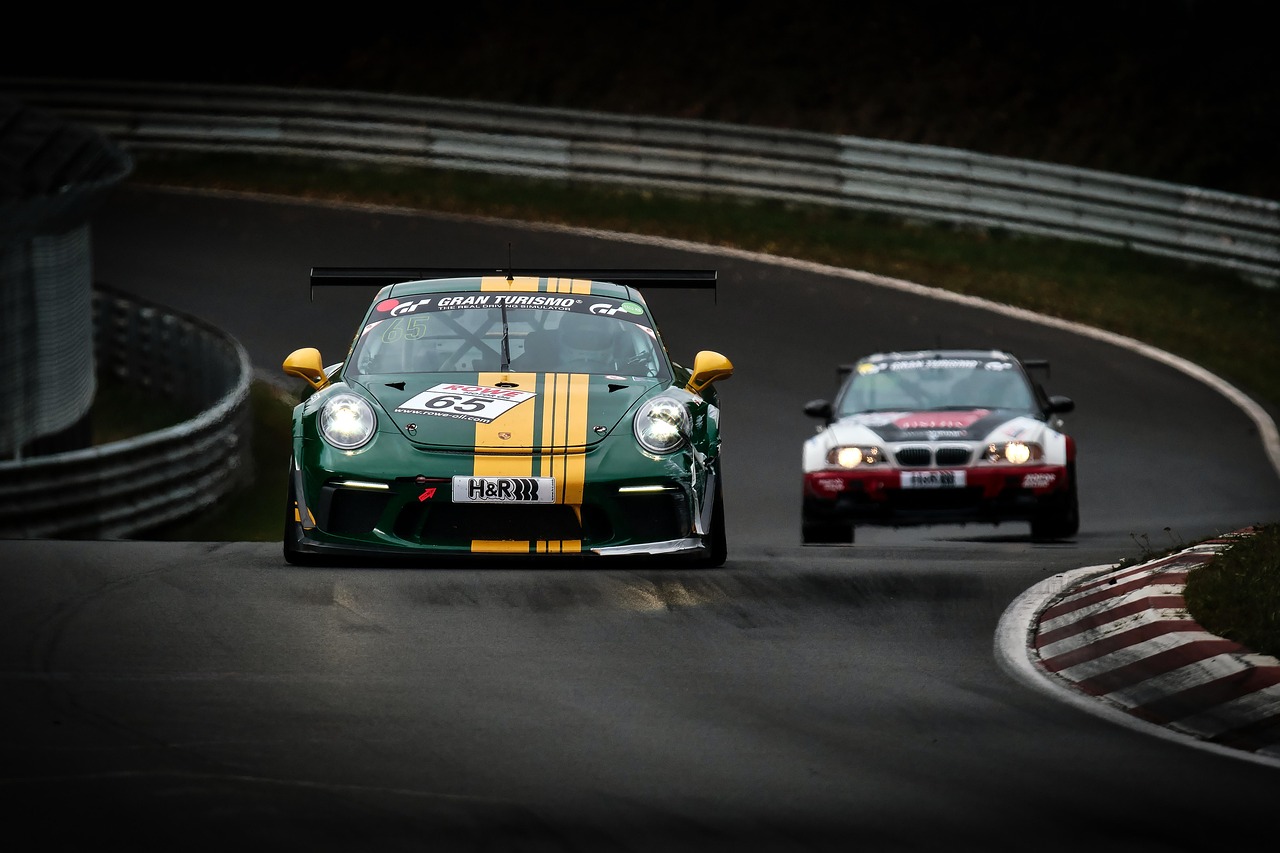
Nürburgring 24 Hours — The Nordschleife’s Unforgiving Marathon
The Nürburgring 24H uses the legendary Nordschleife — a circuit whose length, blind crests and changing conditions turn every hour into a challenge. Success here is a mixture of speed, endurance and local knowledge; surviving the night is part of the legend-making.
Read more: Nürburgring 24 Hours — Wikipedia | Map: Nürburgring Nordschleife (Google Maps) | Internal: /races/nurburgring-24h
1994 San Marino Grand Prix (Imola) — A Sport Shaken
The 1994 weekend at Imola was catastrophic for Formula 1: fatal accidents and devastating losses led to a sweeping, long-term focus on safety. The trauma of that event helped accelerate major safety innovations that still protect drivers today.
Read more: 1994 San Marino GP — Wikipedia | Map: Imola Circuit (Google Maps) | Internal: /races/imola-1994
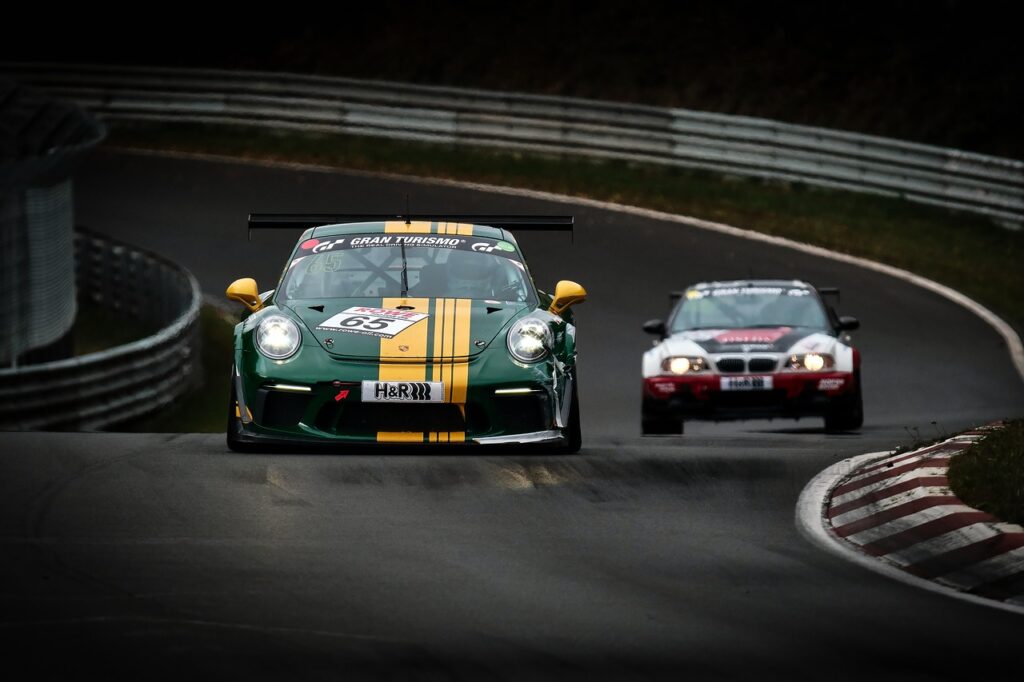
Targa Florio — Mountain Roads and Mechanical Attrition
The Targa Florio was a brutal test on narrow Sicilian mountain roads, where local knowledge and nerve often beat pure horsepower. The race’s unforgiving nature created road-racing icons who mastered tight, treacherous sections that punished the slightest mistake.
Read more: Targa Florio — Wikipedia | Map: Sicilian routes (maps) | Internal: /races/targa-florio
Pikes Peak International Hill Climb — The Climb That Breaks Machines
Racing to the clouds on narrow mountain roads, Pikes Peak strips power and punishes mistakes — thin air, blind crests and evolving surface make it one of the most grueling single-day events on the calendar.
Read more: Pikes Peak Hill Climb — Wikipedia | Map: Pikes Peak (Google Maps) | Internal: /races/pikes-peak
Bathurst 1000 — Mount Panorama’s Brutal Theatre
Australia’s Bathurst 1000 is a touring-car war on a public-road circuit that climbs and dives with dramatic exposure. The Mountain’s narrow lanes and punishing walls have created moments of heartbreak and glory — and forged touring-car legends through endurance and bravery.
Read more: Bathurst 1000 — Wikipedia | Map: Mount Panorama (Google Maps) | Internal: /races/bathurst-1000
24 Hours of Daytona — American Endurance at Full Tilt
The Rolex 24 at Daytona combines high speeds with multi-class traffic, night running, and constant pressure. Success here requires a flawless team effort; the race has made endurance icons of drivers who can balance pace with preservation.
Read more: 24 Hours of Daytona — Wikipedia | Map: Daytona International Speedway (Google Maps) | Internal: /races/daytona-24h
Indianapolis 500 — Brickyard Battles at the Edge
The Indy 500 is as much a test of nerves as it is of speed: sustained high-speed ovals, pack dynamics, and punishing walls make it a crucible for drivers. Legends are defined by their composure under relentless pressure and their ability to survive carnage and strategy.
Read more: Indianapolis 500 — Wikipedia | Map: Indianapolis Motor Speedway (Google Maps) | Internal: /races/indianapolis-500
Monaco Grand Prix — Glamour with No Margin for Error
Racing the streets of Monte Carlo is a study in precision: one tiny error meets unforgiving barriers. Monaco’s brutality is subtle — constraining overtakes and elevating the importance of perfect execution, producing drivers famed for supreme car control.
Read more: Monaco Grand Prix — Wikipedia | Map: Monaco Circuit (Google Maps) | Internal: /races/monaco-gp
Classic Le Mans Comebacks — Nighttime and Mechanical Warfare
Some of Le Mans’ most brutal chapters weren’t single crashes but multi-hour mechanical sagas: teams nursing wounded cars through night and day to snatch victory. Those long, attritional battles turned gritty mechanics and calm drivers into lasting legends.
Read more: 24 Hours of Le Mans (general) | Map: Le Mans (Google Maps) | Internal: /races/le-mans-comebacks
Talladega Superspeedway — Pack Racing and the Big One
Talladega’s high banks promote pack racing that can turn catastrophic in a heartbeat — the so-called “Big One” is a brutal equalizer which has made stock-car winners from survivors more than speed alone.
Read more: Talladega Superspeedway — Wikipedia | Map: Talladega (Google Maps) | Internal: /races/talladega
Suzuka Showdowns — Top-Speed Aggression and Championship Stakes
Suzuka’s figure-eight layout has seen championship-defining clashes where aggression meets consequence. Races at this circuit have a reputation for high-stakes duels that can make — or break — careers in a single lap.
Read more: Suzuka Circuit — Wikipedia | Map: Suzuka (Google Maps) | Internal: /races/suzuka-showdowns
Rally of Monte Carlo & Rally Legends — When Roads Fight Back
Monte Carlo’s mixed-surface stages and fickle weather make it a brutal rally: drivers must master ice, tarmac and darkness with perfect pacenotes. The event has produced rally legends who can read a surface and make split-second calls with no margin for error.
Read more: Monte Carlo Rally — Wikipedia | Map: Monte Carlo / French Riviera (maps) | Internal: /races/monte-carlo-rally
Mugello & Spa Long-Distance Battles — Beauty That Bites Back
Circuits like Mugello and Spa reward bravery with speed but punish miscalculation severely. Long-distance sports car battles here have tested tire, aero and human limits — rewarding those who balance aggression with patience.
Read more: Spa-Francorchamps — Wikipedia | Map: Spa (Google Maps) | Internal: /races/spa-mugello
12 Hours of Sebring — Bumps, Heat and Glory
Sebring is famous for brutal surfaces, scorching heat and mechanical attrition; the concrete airfield layout punishes suspension and drivers alike. Winning here has always been a badge of honor for endurance racers.
Read more: 12 Hours of Sebring — Wikipedia | Map: Sebring (Google Maps) | Internal: /races/sebring-12h
Races That Refused to Be Forgotten — Why Brutality Breeds Legends
The races above share a common truth: brutal conditions and uncompromising circuits reveal character. Drivers, teams and engineers who endured these tests walked away with reputations that outlived the headlines — and gave motorsport its most enduring stories.
Explore more: /features/brutal-races | Browse tracks: /tracks
Want a downloadable version of this article, embedded map iframes, or high-res images for each race? Visit /contact or check our /features page for deep dives.
External links open in a new tab. Replace internal slugs (e.g. /races/…) with your actual site URLs before publishing.
Goodwood Revival — A Nostalgic Battlefield of Classic Speed
The Goodwood Revival celebrates vintage racing but delivers fierce on-track combat. Drivers pilot priceless machines on a historic circuit where mistakes cost dearly — merging elegance with intensity in a nostalgic display of motorsport bravery.
Read more: Goodwood Revival — Wikipedia | Map: Goodwood Circuit (Google Maps) | Internal: /races/goodwood-revival
Can-Am Series — The Wild West of Horsepower
The Can-Am Series of the 1960s and 70s was the era of unrestricted racing — where innovation met insanity. Engineers created machines so powerful they redefined aerodynamics and endurance, and drivers faced colossal risks to chase glory.
Read more: Can-Am Racing — Wikipedia | Map: Road America (Google Maps) | Internal: /races/can-am-series
Mille Miglia — Italy’s 1,000-Mile Ordeal
The Mille Miglia tested cars and drivers across Italian countryside and mountain passes. This thousand-mile odyssey turned Ferrari, Alfa Romeo, and Mercedes into household names, forging legends who conquered treacherous roads in unpredictable conditions.
Read more: Mille Miglia — Wikipedia | Map: Brescia Start Point (Google Maps) | Internal: /races/mille-miglia
Baja 1000 — Desert Warfare on Four Wheels
The Baja 1000 isn’t just a race; it’s a war across Mexico’s harsh Baja California desert. Teams face mechanical destruction, exhaustion, and extreme terrain — a pure test of endurance and resourcefulness that forges legends with every mile.
Read more: Baja 1000 — Wikipedia | Map: Baja California (Google Maps) | Internal: /races/baja-1000
Macau Grand Prix — The Asian Street Circuit of Chaos
The Macau Grand Prix has earned a reputation for chaos, danger, and tight corners that punish even the smallest mistake. Its twisting city streets have produced champions who learned to balance precision with bravery in unforgiving conditions.
Read more: Macau Grand Prix — Wikipedia | Map: Guia Circuit (Google Maps) | Internal: /races/macau-grand-prix
Trans-Siberian Rally — The Frozen Gauntlet
The Trans-Siberian Rally traverses thousands of kilometers through unforgiving Russian wilderness. Competitors face icy roads, mechanical failures, and isolation — transforming every finisher into a motorsport hero hardened by the Arctic’s brutality.
Read more: Silk Way / Trans-Siberian Rally — Wikipedia | Map: Siberia (Google Maps) | Internal: /races/trans-siberian-rally
La Carrera Panamericana — Mexico’s Deadliest Open-Road Race
La Carrera Panamericana was once the most dangerous open-road race in the world, running across Mexico’s unpredictable highways. Speed, fatigue, and sheer unpredictability turned this event into a legend-making ordeal for drivers who survived.
Read more: La Carrera Panamericana — Wikipedia | Map: Mexico City (Google Maps) | Internal: /races/la-carrera-panamericana
Silverstone Classics — The Birthplace of Modern Grand Prix
The Silverstone Grand Prix forged the foundations of Formula 1. Built on a WWII airfield, its high-speed corners, unpredictable weather, and passionate crowds have made it a brutal yet iconic proving ground for champions.
Read more: Silverstone Circuit — Wikipedia | Map: Silverstone (Google Maps) | Internal: /races/silverstone-classics
Darlington Raceway — The Lady in Black
Known as the Lady in Black, Darlington Raceway is a NASCAR legend for its narrow groove and uneven turns. Every lap demands absolute concentration; even veterans leave the track with “Darlington stripes” — scars earned in battle.
Read more: Darlington Raceway — Wikipedia | Map: Darlington (Google Maps) | Internal: /races/darlington-raceway
1976 Japanese Grand Prix — A Championship Decided in Rain and Courage
At Fuji Speedway, torrential rain and championship pressure defined one of F1’s most iconic finales. James Hunt’s determination in impossible conditions immortalized the 1976 race as a testament to bravery and resilience.
Read more: 1976 Japanese Grand Prix — Wikipedia | Map: Fuji Speedway (Google Maps) | Internal: /races/fuji-1976
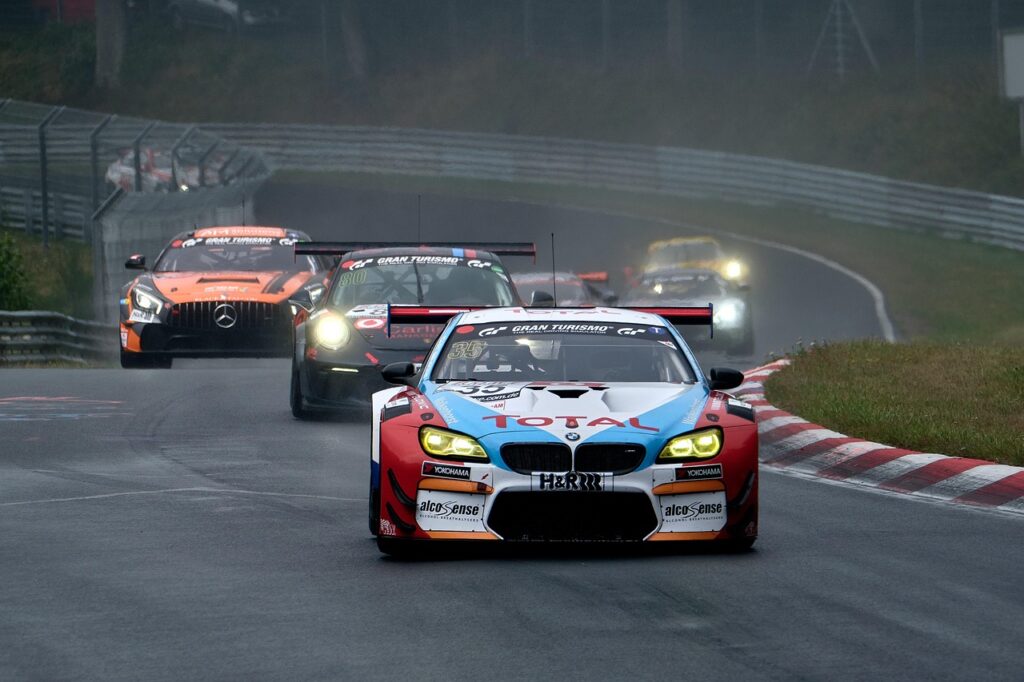
Rolex 24 at Daytona — A Day and Night of Relentless Endurance
The Rolex 24 at Daytona transforms Florida’s iconic Daytona International Speedway into a grueling test of speed and stamina. Teams race for a full 24 hours, battling fatigue, darkness, and mechanical failure as prototype cars and GT machines trade blows. The event’s mix of NASCAR legends, Le Mans heroes, and rookie dreamers makes it one of motorsport’s purest endurance spectacles. It’s not just about speed — it’s about survival, teamwork, and unwavering focus from start to finish.
Map: Daytona Speedway (Google Maps) | Internal: /races/rolex-24-daytona
Indianapolis 500 — The Greatest Spectacle in Racing
Few events define motorsport quite like the Indianapolis 500. Known as the “Greatest Spectacle in Racing,” the Indy 500 is a brutal test of engineering precision and driver courage. Speeds exceeding 230 mph, millisecond pit stops, and split-second drafting decisions create an atmosphere of electrifying intensity. For over a century, victory at the Indianapolis Motor Speedway has crowned legends and broken hearts.
Map: Indianapolis (Google Maps) | Internal: /races/indy-500
Paris-Dakar Rally — The Ultimate Desert Odyssey
The Paris-Dakar Rally is the definition of extreme racing. Stretching across continents and landscapes from dunes to mountains, this event demands unparalleled endurance from both machine and driver. Originating in 1979, the rally has claimed vehicles, careers, and even lives — its reputation as the world’s toughest race is well-earned. Every finisher is a legend forged in the fires of desert adversity.
Read more: Dakar Rally — Wikipedia | Map: Dakar Route (Google Maps) | Internal: /races/paris-dakar
24 Hours of Spa — The Ardennes Inferno
The 24 Hours of Spa is Belgium’s answer to Le Mans — a test of courage through rain, fog, and the infamous Eau Rouge corner. Drivers must brave unpredictable weather at Circuit de Spa-Francorchamps, where visibility can vanish in seconds. It’s a race that fuses beauty and brutality — a masterpiece carved from asphalt and endurance.
Map: Spa (Google Maps) | Internal: /races/spa-24-hours
Pikes Peak International Hill Climb — Race to the Clouds
The Pikes Peak Hill Climb challenges racers to conquer a mountain that reaches 14,115 feet into the Colorado sky. With 156 turns and sheer drops, it’s a race against gravity and time. From early gasoline monsters to today’s electric prototypes, Pikes Peak continues to push the boundaries of speed, aerodynamics, and bravery.
Read more: Pikes Peak — Wikipedia | Map: Pikes Peak (Google Maps) | Internal: /races/pikes-peak
1966 24 Hours of Le Mans — Ford vs Ferrari
The 1966 Le Mans showdown redefined motorsport rivalry. Ford’s GT40, born out of vengeance after Enzo Ferrari’s snub, defeated the Italian giant on its home turf. The rain, mechanical chaos, and team politics made it a race for the ages — an industrial war fought on the tarmac of Circuit de la Sarthe.
Map: Le Mans (Google Maps) | Internal: /races/lemans-1966
Monaco Grand Prix — The Jewel of Danger
The Monaco Grand Prix is elegance wrapped in danger. The tight corners and narrow barriers of Monte Carlo demand absolute perfection. Every victory here is a triumph of precision and concentration — a dance of millimeters on asphalt surrounded by luxury and chaos.
Read more: Monaco GP — Wikipedia | Map: Monaco (Google Maps) | Internal: /races/monaco-grand-prix
Kenya Safari Rally — Nature’s Gauntlet
The Kenya Safari Rally is one of the most punishing rallies in history. Drivers traverse mud, dust, wildlife crossings, and unpredictable weather, testing not only speed but endurance and adaptability. The event’s wild terrain has earned it mythical status — a reminder that motorsport once meant surviving the world’s harshest elements.
Read more: Safari Rally — Wikipedia | Map: Nairobi (Google Maps) | Internal: /races/safari-rally
Bathurst 1000 — Australia’s Mount Panorama Madness
The Bathurst 1000 is a brutal test of endurance, skill, and Aussie grit. The Mount Panorama Circuit’s blind crests and high-speed drops have destroyed many hopes of victory. Bathurst legends like Peter Brock turned this mountain into sacred ground for fans of V8 power and relentless racing spirit.
Read more: Bathurst 1000 — Wikipedia | Map: Bathurst (Google Maps) | Internal: /races/bathurst-1000
Imola 1994 — A Weekend That Changed Formula 1 Forever
The 1994 San Marino Grand Prix at Imola remains etched in history for its tragedy and transformation. The deaths of Roland Ratzenberger and Ayrton Senna prompted the most sweeping safety reforms in F1 history. The circuit at Imola stands today as both a memorial and a symbol of motorsport’s resilience.
Map: Imola (Google Maps) | Internal: /races/imola-1994
12 Hours of Sebring — The Bone-Shaking Classic
The 12 Hours of Sebring is notorious for its rough, bumpy airfield surface that punishes both car and driver. Its Florida heat and relentless rhythm make it a key proving ground before Le Mans. Many call it the toughest 12 hours in racing — a smaller, meaner cousin to 24-hour endurance battles.
Read more: Sebring 12H — Wikipedia | Map: Sebring (Google Maps) | Internal: /races/sebring-12
Targa Florio — Sicily’s Mountain Labyrinth
The Targa Florio was one of the most treacherous races ever held. Narrow Sicilian roads wound through villages, hills, and cliffs, testing driver focus and courage. The locals lined the roads in awe as legends like Moss and Vaccarella turned chaos into controlled brilliance.
Read more: Targa Florio — Wikipedia | Map: Sicily (Google Maps) | Internal: /races/targa-florio
24 Hours of Nürburgring — The Green Hell
The Nürburgring 24 Hours takes endurance racing to madness. With over 150 corners and ever-changing weather across Germany’s Eifel Mountains, it’s known as the “Green Hell.” Survival here is an achievement; victory is immortality.
Read more: Nürburgring 24H — Wikipedia | Map: Nürburgring (Google Maps) | Internal: /races/nurburgring-24
Macau GT Cup — A Modern Street Showdown
The Macau GT Cup brings modern GT3 cars into one of the most dangerous urban tracks in Asia. Precision driving is vital — walls are unforgiving and overtaking chances are few. It’s an annual reminder that the thrill of motorsport still beats strongest in tight, concrete jungles.
Read more: Macau GT Cup — Wikipedia | Map: Guia Circuit (Google Maps) | Internal: /races/macau-gt-cup
Texas Motor Speedway — IndyCar’s High-Speed Rodeo
Few ovals match the sheer bravery required to race at Texas Motor Speedway. Drivers average over 220 mph while drafting inches apart, inches from disaster. It’s a brutal test of nerve and precision, earning its place among motorsport’s most heart-pounding showdowns.
Read more: Texas Motor Speedway — Wikipedia | Map: Texas Speedway (Google Maps) | Internal: /races/indycar-texas
Le Mans Classic — Where Legends Return
The Le Mans Classic brings back the spirit of motorsport’s golden era, where historic machines roar again under the French moonlight. Every car tells a story of innovation, danger, and victory — a moving museum of human engineering and courage.
Read more: Le Mans Classic — Wikipedia | Map: Le Mans (Google Maps) | Internal: /races/le-mans-classic
Frequently Asked Questions About Brutal Races
What makes certain motorsport events known as Brutal Races?
Brutal Races are defined by extreme endurance, unpredictable conditions, and physical and mental challenges that push both driver and machine to the edge. Events like the Paris-Dakar Rally and Le Mans 1966 are prime examples where survival itself becomes an achievement.
Which are the most famous Brutal Races in motorsport history?
The most famous Brutal Races include the Dakar Rally, Bathurst 1000, Nürburgring 24 Hours, and the legendary 24 Hours of Le Mans. Each race tests endurance, strategy, and courage like few others.
Why are endurance events often considered the most Brutal Races?
Endurance events are brutal because they combine long hours, mechanical fatigue, and unpredictable weather. Drivers must maintain focus for 12 to 24 hours, often in darkness or rain — one mistake can end everything.
Which Brutal Races have claimed the most vehicles or drivers?
Historically, the Kenya Safari Rally and Paris-Dakar Rally are notorious for high attrition rates, with only a fraction of starters ever finishing. Their remote terrain and extreme heat make them especially punishing.
Are Brutal Races still held today?
Yes, many Brutal Races still exist. Events like the Dakar Rally, 24 Hours of Nürburgring, and Baja 1000 continue annually, attracting elite drivers and adventurers from around the world.
How do drivers prepare for Brutal Races?
Preparation for Brutal Races involves intense physical training, simulator practice, and mechanical testing. Drivers must adapt to sleep deprivation, heat, and vehicle instability — mastering both endurance and focus.
What’s the hardest part of competing in Brutal Races?
The hardest aspect is consistency under pressure. In Brutal Races, exhaustion and changing conditions cause mental fatigue faster than physical breakdowns. Drivers must stay sharp even after hours of relentless driving.
Do modern safety standards reduce the brutality of these races?
Safety standards have improved drastically, but Brutal Races still demand extreme focus and skill. Even with advanced technology, events like Pikes Peak remain as dangerous as ever.
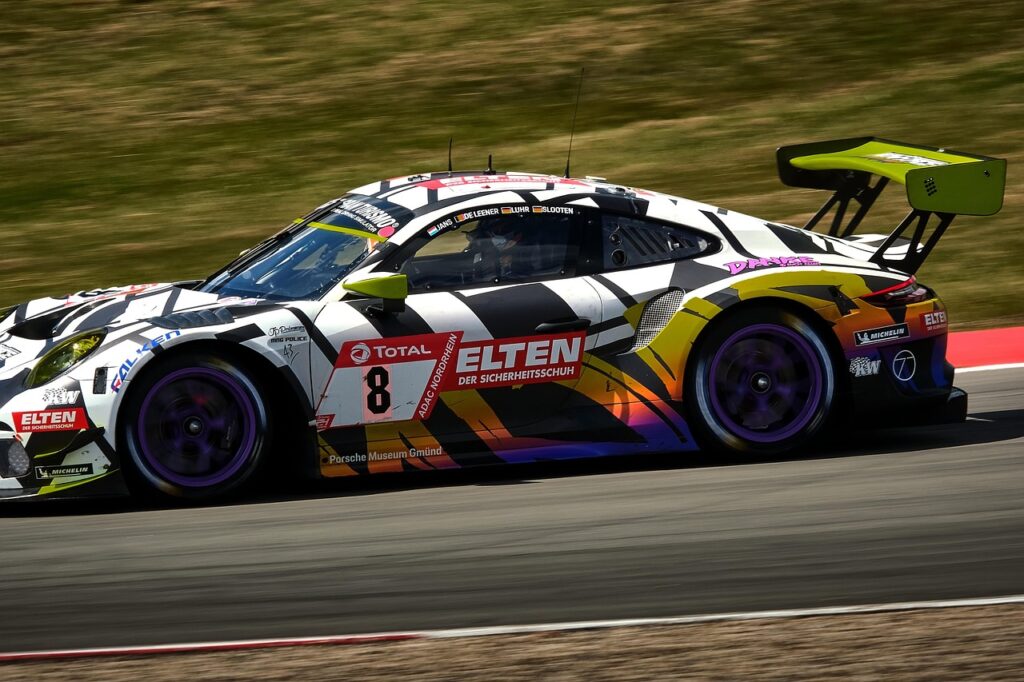
Which race is known as the “Green Hell” among Brutal Races?
The Nürburgring 24 Hours is famously known as the “Green Hell.” Its unpredictable weather and complex corners make it one of the most unforgiving Brutal Races on Earth.
What role does teamwork play in Brutal Races?
Teamwork is vital. Mechanics, engineers, and co-drivers must operate in perfect sync to survive Brutal Races. A small communication error can mean disaster after hours of flawless performance.
Are there Brutal Races for motorcycles as well?
Yes — motorcycle editions of the Dakar Rally and Isle of Man TT are among the most dangerous and demanding events ever created.
Which Brutal Races are part of the World Endurance Championship?
Brutal Races in the WEC include Le Mans, Spa, Fuji, and Bahrain. These combine heat, high speeds, and long-distance fatigue to push every competitor beyond limits.
Have any female drivers competed in Brutal Races?
Absolutely. Drivers like Jutta Kleinschmidt (Dakar winner) and Leena Gade (Le Mans engineer) have made history, proving that skill and endurance define success in Brutal Races — not gender.
Which Brutal Races are open to amateurs or private teams?
Events such as the Nürburgring 24 Hours and Baja 1000 allow private entries, giving enthusiasts a chance to face professional-level challenges.
How do Brutal Races impact car development?
Brutal Races are testing grounds for technology. Innovations in tires, aerodynamics, and hybrid systems often debut in endurance events before reaching road cars.
What kind of terrain do off-road Brutal Races feature?
Off-road Brutal Races traverse sand dunes, rocky deserts, riverbeds, and mountains. The Baja 1000 and Dakar Rally are prime examples of this raw natural punishment.
Do Brutal Races ever take place in extreme climates?
Yes, from the freezing steppes of the Trans-Siberian Rally to the scorching deserts of Saudi Arabia, Brutal Races often occur in extreme weather zones that challenge human endurance.
What’s the average speed during Brutal Races like Dakar or Le Mans?
Average speeds can vary from 60 mph in off-road events like Dakar to over 130 mph in Le Mans. The balance between aggression and survival defines success in these Brutal Races.
Are Brutal Races more about the car or the driver?
Both matter equally. A strong car may fail without the right driver strategy, while a skilled driver can only do so much if the vehicle can’t endure the punishment of Brutal Races.
How dangerous are Brutal Races compared to modern F1 events?
While Formula 1 emphasizes speed and technology, Brutal Races are defined by unpredictability and endurance. Off-road and long-distance events carry far greater environmental and mechanical risks.
Do Brutal Races have unique scoring systems?
Some do. Rally raids like Dakar use timed stages, while endurance events count total distance covered. These formats emphasize consistency and reliability over pure speed.
Which Brutal Races have inspired movies or documentaries?
Films like Ford v Ferrari (Le Mans 1966), Dust to Glory (Baja 1000), and Race to Dakar capture the essence of Brutal Races and the human stories behind them.
Can fans visit or spectate Brutal Races in person?
Absolutely — fans can attend major Brutal Races like the Bathurst 1000 and 24 Hours of Spa. Some even allow fans to camp trackside, creating unforgettable experiences.
Where can I learn more about Brutal Races and their history?
You can explore deep insights, track maps, and history at speedsrun.online and official sources like FIA.com or Wikipedia’s race list.