Airplane racing tournaments are among the most thrilling and technologically advanced competitions in the world of aviation. Combining speed, skill, engineering excellence, and daring pilots, these events push aircraft to their limits while captivating aviation enthusiasts worldwide.
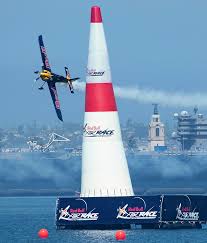
From historic competitions like the Schneider Trophy to modern global tournaments such as the Red Bull Air Race and the Reno Air Races, airplane racing tournaments have played a major role in the development of aviation technology.
In this comprehensive guide, we will explore the history, types, rules, famous tournaments, aircraft used, safety measures, and the future of airplane racing tournaments.
1. What Is an Airplane Racing Tournament?
An airplane racing tournament is a competitive aviation event where pilots fly specially designed or modified aircraft through a racecourse at extremely high speeds.
Unlike traditional aviation displays, airplane racing focuses on:
- Speed
- Precision flying
- Aerodynamic efficiency
- Pilot skill
Pilots compete to finish the course in the fastest time while maintaining strict safety rules and navigating obstacles such as pylons, gates, or checkpoints.
Some races occur around pylons on a closed circuit, while others involve long-distance cross-country challenges.
2. The History of Airplane Racing Tournaments
Airplane racing began shortly after the invention of powered flight. Early aviators wanted to demonstrate the capabilities of their aircraft and engines.
One of the most influential early competitions was the Schneider Trophy, which ran from 1913 to 1931. This tournament pushed engineers to create faster seaplanes and led to breakthroughs in aerodynamics and engine technology.
Aircraft from companies like Supermarine later influenced the development of famous fighters such as the Supermarine Spitfire.
Another major milestone was the creation of the National Championship Air Races in 1964, held annually in Reno.
3. Why Airplane Racing Tournaments Are Important
Airplane racing tournaments are not just entertainment events. They also contribute significantly to aviation progress.
Key benefits include:
Technological innovation
Engineers test new aerodynamic designs and propulsion systems.
Pilot skill development
Pilots gain experience flying at extreme speeds and low altitudes.
Public aviation awareness
These events inspire future pilots and aerospace engineers.
4. Types of Airplane Racing Tournaments
Airplane racing comes in several forms depending on the race format and aircraft type.
4.1 Pylon Racing
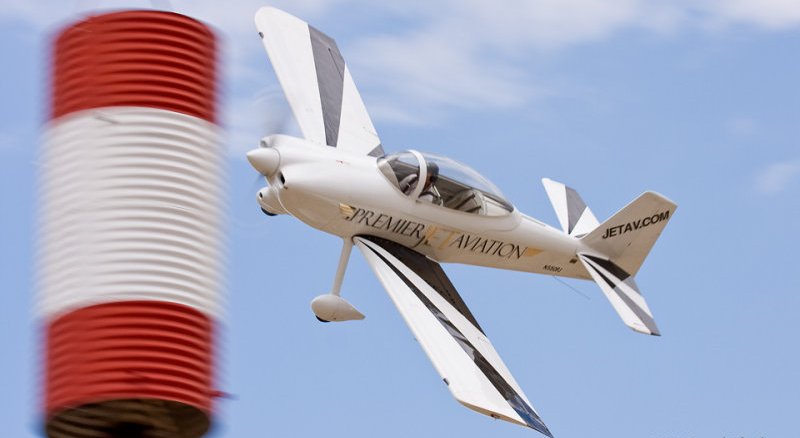
Pylon racing is the most common format. Pilots fly around tall pylons placed on a course at low altitude.
The most famous pylon racing event is the Reno Air Races.
Aircraft can reach speeds above 500 mph (800 km/h) in some classes.
4.2 Air Race Championship
In events like the Red Bull Air Race, pilots fly through inflatable gates suspended in the air.
Pilots must complete the course:
- As fast as possible
- Without hitting the gates
- While performing precision turns
4.3 Cross-Country Air Racing
Cross-country races involve long-distance navigation rather than tight circuits.
Historical competitions included:
- Transcontinental races
- International speed challenges
These races tested endurance, fuel efficiency, and navigation skills.
5. Famous Airplane Racing Tournaments
Several tournaments have become legendary in aviation history.
Reno Air Races
The Reno Air Races is one of the most famous airplane racing tournaments in the world.
Features:
- Multiple racing classes
- Historic warbird aircraft
- Speeds exceeding 800 km/h
Red Bull Air Race World Championship
The Red Bull Air Race began in 2003 and became one of the most popular air racing tournaments globally.
Pilots navigate a challenging obstacle course marked by air gates while performing extreme aerobatic maneuvers.
Schneider Trophy
The Schneider Trophy was a prestigious early aviation race for seaplanes.
It helped accelerate the development of high-performance aircraft engines.
6. Aircraft Used in Airplane Racing
Airplane racing tournaments feature specialized aircraft built for speed and agility.
Common types include:
1. Unlimited Class Warbirds
Modified WWII fighters such as:
- North American P-51 Mustang
- Hawker Sea Fury
These aircraft are heavily modified for racing performance.
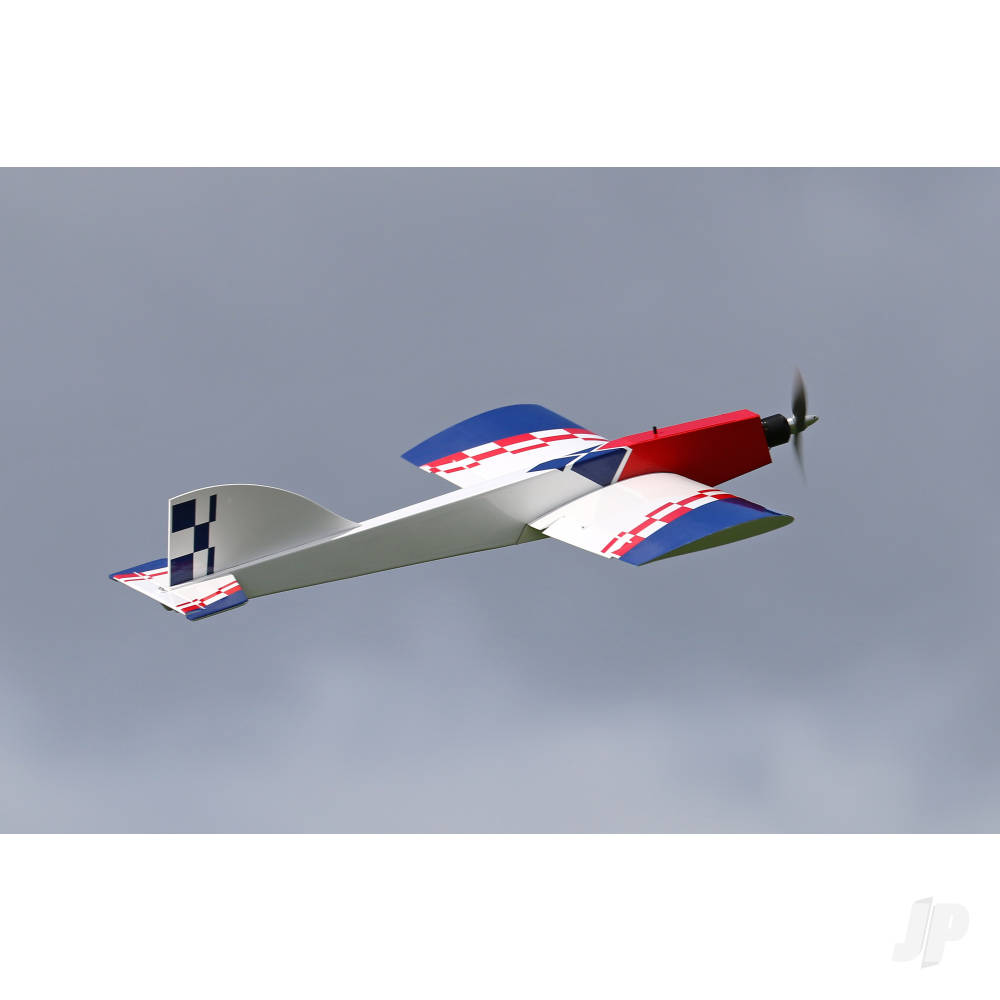
2. Formula One Racers
Formula One air racers are lightweight aircraft designed specifically for racing.
Features include:
- Compact size
- High power-to-weight ratio
- Speeds around 250 mph
3. Jet Racers
Modern tournaments also include jet-powered racing aircraft.
These planes deliver incredible speed but require advanced pilot training.
7. Rules of Airplane Racing Tournaments
Air racing organizations establish strict rules to ensure fairness and safety.
Typical rules include:
- Pilots must maintain minimum altitude levels
- Aircraft modifications must meet technical standards
- Penalties are given for missing pylons or hitting air gates
Organizations such as the Fédération Aéronautique Internationale regulate many aviation competitions.
8. Safety Measures in Airplane Racing
Due to high speeds and low altitudes, airplane racing tournaments carry significant risks.
To reduce dangers, organizers implement:
- Strict pilot training requirements
- Advanced aircraft inspections
- Controlled spectator areas
- Emergency response teams
Modern safety technology has significantly improved race conditions.
9. Technology Behind Racing Aircraft
Airplane racing tournaments push engineering to the extreme.
Important technologies include:
Aerodynamic Design
Engineers reduce drag to maximize speed.
High-Performance Engines
Many racing aircraft use engines producing more than 3,000 horsepower.
Lightweight Materials
Materials like carbon fiber improve speed and maneuverability.
10. The Role of Pilots in Airplane Racing
Air racing pilots are among the most skilled aviators in the world.
They must master:
- High-speed navigation
- Aerobatic maneuvers
- Rapid decision-making
- Extreme G-forces
Training often requires thousands of flight hours.
11. Economic Impact of Airplane Racing Tournaments
Airplane racing tournaments generate revenue through:
- Tourism
- Sponsorships
- Media broadcasting
- Aviation exhibitions
Cities hosting events like the Reno Air Races attract thousands of spectators each year.
12. Airplane Racing and Aviation Innovation
Many aviation technologies were first tested during racing competitions.
Examples include:
- Improved propeller designs
- High-performance cooling systems
- Aerodynamic wing shapes
These innovations later influenced commercial and military aviation.
13. Challenges Facing Airplane Racing
Despite its popularity, airplane racing faces several challenges.
High costs
Maintaining racing aircraft can cost millions of dollars.
Safety concerns
Accidents have occurred in some events.
Environmental regulations
Air racing must adapt to stricter aviation policies.
14. The Future of Airplane Racing Tournaments
The future of airplane racing looks exciting as new technologies emerge.
Possible developments include:
- Electric racing aircraft
- Autonomous racing drones
- Sustainable aviation fuels
Innovative events may redefine air racing for future generations.
15. Why Airplane Racing Tournaments Inspire Aviation Fans
Airplane racing tournaments represent the ultimate combination of:
- Speed
- Engineering
- Courage
- Competition
For aviation enthusiasts, these events celebrate the spirit of flight and human innovation.
Internal Links (For Your Website)
Use links like:
- /airplane-racing-facts – Airplane Racing Facts
- /aircraft-racing-sport – Aircraft Racing Sport Guide
- /high-speed-air-racing – High Speed Air Racing Explained
External Links
- Fédération Aéronautique Internationale official aviation competitions
- Red Bull Air Race event information
- Reno Air Races official race history
1. Airplane Racing Is One of the Oldest Aviation Sports
Air racing began shortly after the invention of powered flight. Early pilots wanted to demonstrate the speed and reliability of their aircraft, which led to competitive races between aviation pioneers.
2. The Schneider Trophy Changed Aviation History
The famous Schneider Trophy was first held in 1913 and focused on seaplane racing. The competition pushed aircraft engineers to design faster engines and more aerodynamic aircraft.
3. Air Racing Helped Develop WWII Fighter Technology
Innovations created during racing competitions influenced military aircraft design. Companies like Supermarine used lessons from racing planes to develop the legendary Supermarine Spitfire.
4. The Reno Air Races Are the World’s Fastest Motorsport
The Reno Air Races in Reno is considered one of the fastest racing events in the world, where aircraft compete in multiple classes.
5. Racing Aircraft Can Reach Extreme Speeds
Some modified warbird aircraft in unlimited racing classes can exceed 800 km/h (500 mph) during competitions.
6. Pylon Racing Is the Most Popular Air Racing Format
In pylon racing, pilots fly around tall pylons placed on a course while maintaining extremely low altitudes and high speeds.
7. Air Racing Requires Incredible Pilot Skill
Air racing pilots must combine the skills of:
- Fighter pilots
- Aerobatic pilots
- Competitive racers
They often train for years before competing professionally.
8. The Red Bull Air Race Made Air Racing Global
The Red Bull Air Race brought modern air racing to global audiences with races held in cities across Europe, Asia, and North America.
9. Aircraft Fly Through Giant Air Gates
In some modern races, pilots must fly through inflatable pylons or air gates while performing precise aerobatic maneuvers.
10. Some Racing Aircraft Are WWII Warbirds
Aircraft such as the North American P‑51 Mustang are often modified and used in unlimited racing classes.
11. Formula One Air Racers Are Specially Designed
Formula One racing aircraft are small, lightweight planes built specifically for high-speed competition.
12. Air Racing Courses Are Extremely Challenging
Race courses include tight turns, multiple pylons, and strict flight paths that test both pilot skill and aircraft performance.
13. Racing Aircraft Use High-Power Engines
Many racing planes use engines producing more than 3,000 horsepower, allowing them to achieve incredible acceleration.
14. Pilots Experience Strong G-Forces
During sharp turns and dives, pilots may experience 6–10 G-forces, similar to fighter jet pilots.
15. Air Racing Promotes Aviation Innovation
Many technologies tested in air racing eventually appear in commercial or military aviation.
16. The Fédération Aéronautique Internationale Regulates Air Sports
International aviation competitions are often overseen by the Fédération Aéronautique Internationale.
17. Racing Aircraft Are Often Heavily Modified
To maximize speed, engineers modify:
- Wings
- Engine systems
- Cooling systems
- Aerodynamics
18. Safety Is a Top Priority
Modern air racing tournaments use strict safety rules, including aircraft inspections, pilot training requirements, and controlled spectator areas.
19. Thousands of Fans Attend Air Racing Events
Events like the Reno Air Races attract aviation enthusiasts from around the world.
20. Air Racing Inspires Future Pilots
Many young aviation fans become pilots or aerospace engineers after watching air racing competitions.
21. Racing Aircraft Are Among the Fastest Propeller Planes
Modified racing planes are often faster than most propeller-driven aircraft used today.
22. Some Air Races Occur Over Water
Early races such as the Schneider Trophy were held over water using seaplanes.
23. Air Racing Combines Technology and Sport
Air racing is unique because it blends competitive sport with advanced aerospace engineering.
24. New Electric Racing Aircraft Are Being Developed
Future air racing tournaments may include electric aircraft designed for speed and sustainability.
25. Airplane Racing Celebrates the Spirit of Aviation
At its core, air racing represents human innovation, courage, and the endless pursuit of speed.
2 messages remaining.Upgrade to ChatGPT Go to keep the conversation going
Upgrade to Go