Flying has always fascinated humans. From the dream of soaring like a bird to the adrenaline rush of competitive racing, aviation offers experiences as varied as the clouds themselves. Two of the most distinct aviation experiences are airplane touring and air racing. While both involve flying aircraft, the purpose, skills, aircraft, and thrill are remarkably different. This article explores these contrasts in detail, providing a comprehensive guide for aviation enthusiasts and curious readers alike.
Table of Contents Air Racing
- Introduction to Airplane Touring and Air Racing
- Purpose and Goals
- Aircraft Design and Technology
- Flight Planning and Navigation
- Speed, Altitude, and Flight Dynamics
- Pilot Skills and Training
- Safety and Risk Management
- Community, Culture, and Lifestyle
- Cost, Maintenance, and Accessibility
- Physical and Mental Demands
- Popular Air Racing Events and Touring Destinations
- Environmental and Operational Considerations
- Conclusion
1. Introduction to Airplane Touring and Air Racing
Aviation has multiple facets. Airplane touring is a leisurely experience where pilots explore landscapes, travel long distances, and enjoy the serenity of flight. On the other hand, air racing is a high-speed, high-stakes sport, testing a pilot’s skill, reflexes, and courage.
Suggested image: External photo of a scenic small aircraft flying over mountains (touring) vs a low-flying racing aircraft (air racing).
Touring and racing may share the skies, but their philosophies differ: one celebrates exploration and relaxation, the other, competition and adrenaline.
2. Purpose and Goals
Airplane Touring Air Racing
- Focuses on enjoyment, exploration, and scenic travel.
- Often involves cross-country flights, sightseeing, and connecting remote locations.
- Primary objective: safety, comfort, and adventure.
Air Racing
- Competitive by nature, aimed at speed and precision.
- Pilots navigate courses designed to test skill under extreme conditions.
- Primary objective: winning races and pushing performance limits.
Suggested image: Internal diagram showing race course layout vs a touring route map.
3. Aircraft Design and Technology
Touring Aircraft
- Built for stability, comfort, and fuel efficiency.
- Typically small, single-engine propeller aircraft such as Cessna 172 or Piper PA-28.
- Features autopilot systems, modern avionics, and seating for multiple passengers.
Racing Aircraft Air Racing
- Designed for speed, agility, and minimal drag.
- Lightweight, aerodynamic, often with custom modifications for power.
- Examples include Formula One Air Racers and Red Bull Air Race planes.
Suggested image: Split image comparing cockpit interiors of a touring plane vs a racing plane.
4. Flight Planning and Navigation
Touring
- Focuses on safe routing, fuel stops, weather checks, and scenic flight paths.
- Pilots rely on GPS, charts, and standard aviation protocols.
Racing Air Racing
- Prioritizes course optimization, tight turns, and maximum speed.
- Pilots rely heavily on visual markers and split-second timing for navigation.
Suggested image: Internal illustration of GPS navigation screen for touring vs air racing course diagram.
5. Speed, Altitude, and Flight Dynamics
- Touring aircraft typically fly moderate speeds (100–200 knots) and at altitudes for sightseeing (3,000–10,000 feet).
- Racing aircraft operate at high speeds (up to 400 knots in some competitions) at low altitudes to reduce drag and improve control.
Suggested image: External action shot of a racing plane performing a low-altitude turn vs a touring plane cruising over countryside.
6. Pilot Skills and Training
Touring Pilots
- Focus on long-duration flying, navigation, and situational awareness.
- Emphasis on safety, weather interpretation, and comfortable flight handling.
Racing Pilots
- Require high reflexes, extreme precision, and aerobatic ability.
- Training includes handling high G-forces, rapid maneuvers, and split-second decision-making.
Suggested image: Side-by-side comparison showing pilot training simulator for touring vs racing.
7. Safety and Risk Management
- Touring flights are low-risk when regulations are followed; safety comes first.
- Air racing involves high-risk maneuvers, often pushing the limits of both aircraft and pilot endurance.
- Both require rigorous pre-flight checks, but racing demands extra vigilance due to extreme conditions.
Suggested image: Internal checklist illustration vs dynamic racing action photo.
8. Community, Culture, and Lifestyle
- Touring: Relaxed, recreational, camaraderie among general aviation enthusiasts.
- Racing: Competitive, adrenaline-driven, prestige-focused.
- Social experiences differ: touring fosters exploration; racing fosters rivalry and spectacle.
Suggested image: Community gathering at an airfield for touring vs racing event crowd.
9. Cost, Maintenance, and Accessibility
- Touring aircraft: affordable, durable, long-term maintenance-friendly.
- Racing aircraft: expensive, meticulously maintained, often customized for performance.
- Accessibility differs: touring can be enjoyed by hobbyists; racing is a niche, elite activity.
10. Physical and Mental Demands
- Touring: Mild to moderate fatigue, endurance for long hours in the cockpit.
- Racing: Intense concentration, high G-forces, rapid maneuvering; pilots often wear G-suits.
- Racing requires peak physical conditioning, while touring requires mental stamina for long journeys.
11. Popular Air Racing Events and Touring Destinations
Air Racing Events
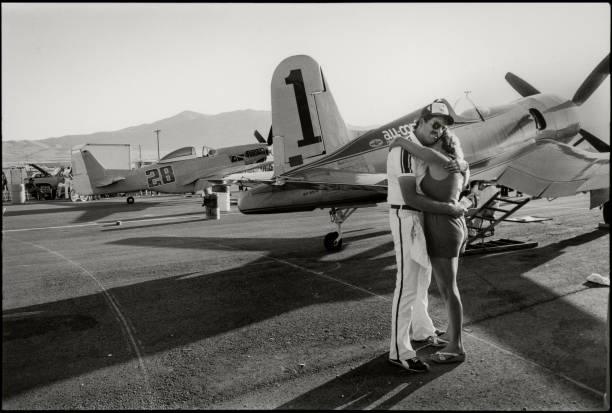
- Reno Air Races, Red Bull Air Race World Championship.
- Courses designed for speed, precision, and spectacle.
Touring Destinations
- Scenic mountain ranges, coastlines, and historic landmarks.
- Popular routes in the US: Rocky Mountains, California Coast, Florida Keys.
Suggested image: External shots of Reno Air Race vs scenic aerial photography for touring.
12. Environmental and Operational Considerations
- Racing: Short, intense fuel consumption; noise regulations are critical.
- Touring: Longer flights, fuel-efficient, often integrated with tourism and environmental stewardship.
Airplane Touring vs Air Racing: Exploring Two Worlds of Aviation
Flying represents freedom, adventure, and the culmination of human ingenuity. But not all flights are the same. For aviation enthusiasts, two thrilling yet vastly different experiences dominate the skies: airplane touring and air racing. Both involve piloting aircraft, yet the similarities mostly end there.
Touring is about exploration, serenity, and long-distance adventure, while air racing is about speed, skill, and pushing both machine and human to their absolute limits. This article dives into the key differences, technical insights, and the lifestyle surrounding both types of flying, providing a comprehensive guide for pilots, enthusiasts, and curious readers.
Table of Contents
- Introduction: The Allure of the Skies
- Purpose and Goals: Leisure vs Competition
- Aircraft Design and Engineering
- Flight Planning and Navigation Strategies
- Speed, Altitude, and Aerodynamics
- Pilot Skills, Training, and Certification
- Safety, Risk, and Emergency Protocols
- Community, Culture, and Lifestyle
- Cost, Maintenance, and Accessibility
- Physical and Mental Demands of Pilots
- Popular Air Racing Events and Touring Destinations
- Environmental and Operational Considerations
- Technological Innovations Impacting Touring and Racing
- Historical Milestones in Touring and Racing Aviation
- Conclusion
1. Introduction: The Allure of the Skies
Flying has always fascinated humanity—from the myth of Icarus to the modern era of private and commercial aviation. Airplane touring allows pilots to soar across landscapes, explore new territories, and enjoy long, scenic flights, while air racing tests a pilot’s skill, reaction time, and ability to manage high-speed aircraft under intense conditions.
Suggested images:
- External: Scenic touring flight over mountains or coastline.
- External: Low-flying racing plane cutting through a race course.
Touring and racing serve different kinds of thrill: one is peaceful, measured, and meditative; the other is aggressive, fast-paced, and heart-pounding.
2. Purpose and Goals: Leisure vs Competition
Airplane Touring
- Primary goal: exploration, relaxation, and scenic experience.
- Pilots focus on seeing new places, enjoying landscapes, or traveling efficiently across regions.
- Emphasizes safety, comfort, and enjoyment over speed.
Air Racing
- Primary goal: winning competitions and achieving peak performance.
- Pilots navigate precise courses, competing against time and rivals.
- Emphasizes risk-taking, agility, and speed optimization.
Suggested image: Internal: Split-screen of a touring map route vs a race course diagram.
Touring allows you to absorb the beauty of the sky, while racing challenges you to dominate it at high speeds.
3. Aircraft Design and Engineering
Touring Aircraft
- Stable, fuel-efficient, and comfortable for long flights.
- Single-engine propeller planes like Cessna 172, Piper PA-28, or Cirrus SR22 dominate touring.
- Equipped with autopilot, GPS, comfortable seating, and instrument panels for long navigation.
Racing Aircraft
- Aerodynamically optimized for speed, agility, and extreme maneuverability.
- Light, minimalistic cockpit design prioritizes performance over comfort.
- Examples include Reno Air Race planes, Formula One air racers, and modified aerobatic aircraft.
Suggested image: Split interior photo: touring cockpit (comfortable, instrument-heavy) vs racing cockpit (compact, performance-focused).
The engineering philosophy of racing aircraft is maximum speed with minimal weight, while touring aircraft emphasize reliability, safety, and comfort.
4. Flight Planning and Navigation Strategies
Touring
- Flight routes are planned for safety, fuel efficiency, and sightseeing opportunities.
- Tools: GPS, maps, aeronautical charts, autopilot systems.
- Pilots consider weather, airspace restrictions, and emergency landing options.
Racing
- Routes are meticulously planned to maximize speed and minimize distance around racing pylons.
- Navigation relies heavily on visual markers, split-second timing, and precision course memorization.
- Pilots practice repeated simulations to perfect turns and acceleration points.
Suggested image: Internal illustration: comparison of a touring GPS map and a racing pilot course chart.
5. Speed, Altitude, and Aerodynamics
- Touring aircraft: 100–200 knots at 3,000–10,000 feet.
- Racing aircraft: 250–400 knots at low altitudes for aerodynamic efficiency.
The difference is profound: a touring plane glides comfortably over landscapes, while a racing plane tears through the air at breathtaking speeds, often within feet of the ground.
Suggested image: External action shot of racing plane low-altitude maneuver vs touring plane cruising.
Aerodynamics are central to racing: every turn, dive, and bank is calculated to reduce drag and maximize speed. Touring aircraft prioritize stability and smooth airflow for comfort.
6. Pilot Skills, Training, and Certification
Touring Pilots
- Must master cross-country navigation, weather interpretation, and safe long-distance flying.
- Licenses: Private Pilot License (PPL), possibly Instrument Rating (IR) for low visibility.
Racing Pilots
- Require aerobatic training, high-G tolerance, reflexes, and split-second decision-making.
- Often have extensive experience in aerobatics or military-style flying.
Suggested image: Internal: simulator training for touring vs racing maneuvers.
The difference isn’t just physical skill—it’s also mental conditioning: racing pilots operate under intense pressure and time constraints, while touring pilots manage extended focus and decision-making for hours.
7. Safety, Risk, and Emergency Protocols
- Touring emphasizes risk avoidance: clear weather, proper pre-flight checks, and adherence to regulations.
- Racing involves high-risk maneuvers, often at the edge of the aircraft’s performance envelope.
- Both require strict emergency protocols, but racing pilots train for split-second crisis responses.
Suggested image: Internal: emergency equipment illustration vs racing safety gear photo.
8. Community, Culture, and Lifestyle
Touring Community
- Friendly, relaxed, and casual.
- Shared love for flying and exploration.
- Community events often involve fly-ins, sightseeing trips, and casual airshows.
Racing Community
- Competitive, adrenaline-driven, highly focused.
- Events like Reno Air Races or Red Bull Air Race build camaraderie among elite pilots.
- Prestige and recognition are major motivators.
Suggested image: External: community gathering at a small airfield vs racing event spectators.
9. Cost, Maintenance, and Accessibility
- Touring: Affordable, long-term maintenance, accessible to hobbyists.
- Racing: Expensive, highly customized, meticulous upkeep.
- Accessibility differs: touring is open to general aviation enthusiasts; racing is niche and highly specialized.
Suggested image: Internal: side-by-side comparison chart of cost and maintenance.
10. Physical and Mental Demands of Pilots
- Touring: Long-duration flights require mental stamina and comfort management.
- Racing: High G-forces, rapid maneuvers, and extreme focus; pilots may wear G-suits.
- Racing is both physically and mentally taxing, while touring emphasizes endurance and relaxation.
Suggested image: Internal: diagram of G-forces on a racing pilot vs long-duration touring cockpit setup.
11. Popular Air Racing Events and Touring Destinations
Air Racing Events
- Reno Air Races: High-speed pylon racing, international participation.
- Red Bull Air Race World Championship: Precision and speed, urban locations worldwide.
Touring Destinations
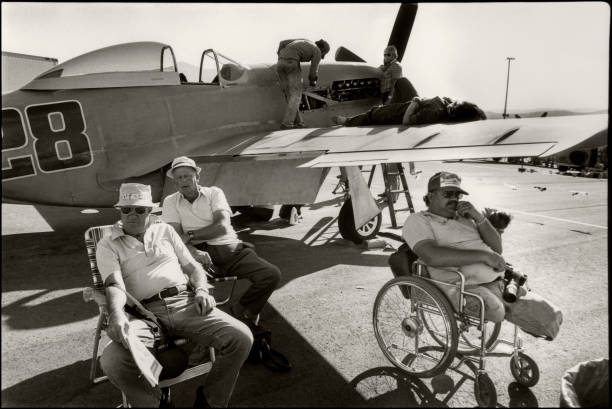
- U.S.: Rocky Mountains, California Coast, Florida Keys.
- International: Swiss Alps, Great Barrier Reef, Iceland’s volcanic landscapes.
Suggested image: External: panoramic shots of Reno Air Race vs aerial tourism landscapes.
12. Environmental and Operational Considerations
- Racing: Short bursts, high fuel consumption, loud noise levels; regulated for safety and environmental impact.
- Touring: Long-range, fuel-efficient, minimal environmental disruption.
Suggested image: Internal: environmental impact comparison infographic.
13. Technological Innovations Impacting Touring and Racing
- Avionics: Advanced GPS, autopilot, and digital instruments benefit both.
- Aerodynamics and Materials: Carbon fiber in racing planes; lightweight, durable materials in touring aircraft.
- Safety Tech: Parachute recovery systems in small aircraft (Cirrus SR series), advanced emergency gear in racing planes.
Suggested image: Internal: innovation timeline for touring vs racing tech.
14. Historical Milestones in Touring and Racing Aviation
- Touring Aviation: 1920s barnstorming era, Cessna aircraft expansion, general
Continue generating