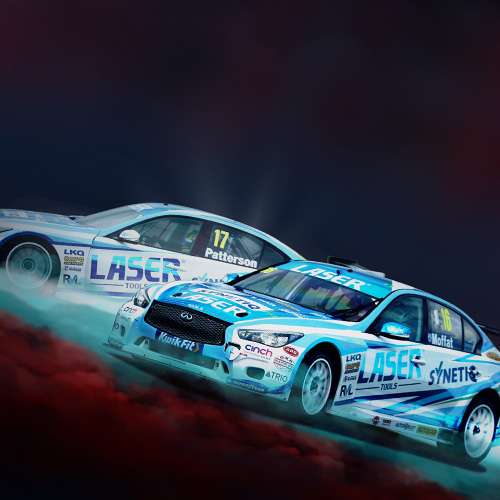
Touring car racing stands among the world’s most exciting and competitive motorsport categories. Combining production-based cars with high-intensity racing, it offers unpredictable battles, close overtaking, passionate fanbases, and global appeal.
In this comprehensive guide, we explore everything about touring cars — from history and car specifications to major championships, legendary drivers, tech innovations, and why fans love it so much.
Table of Contents
1. What Are Touring Cars? <a id=”what-are-touring-cars”></a>
Touring cars are high-performance automobiles racing on closed circuits. Unlike formula cars (like F1) or prototype racers, touring cars begin life as production vehicles. They are modified for safety, performance, and competition but retain the essence of the road-going model.
Touring car racing blends the thrill of close, door-to-door action with recognizable car models — making it relatable for fans and manufacturers alike.
Key Characteristics
- Production-based models (Toyota Corolla, Honda Civic, Audi RS3, etc.)
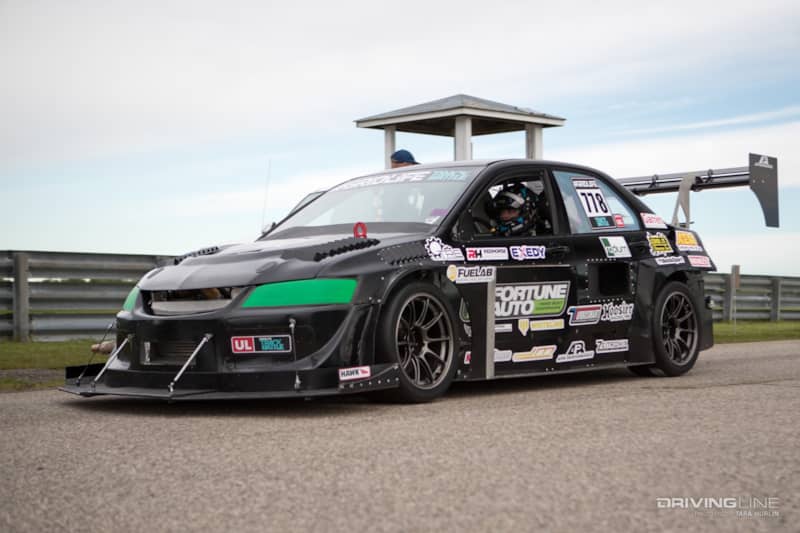
- Modified for racing (roll cages, aero kits, racing suspension)
- Close competition and frequent overtaking
- Multiple races per event weekend
–––
2. The Evolution of Touring Car Racing <a id=”evolution”></a>
Touring cars have roots reaching back to the early 20th century. Racing modified production cars became popular as automobile ownership rose. Over decades, touring car rules evolved, creating unique classes and vibrant global championships.
Early Beginnings
The first touring car events were essentially reliability trials and endurance runs. By the 1950s and 1960s, national series emerged across Europe, including the UK, Germany, and Italy.
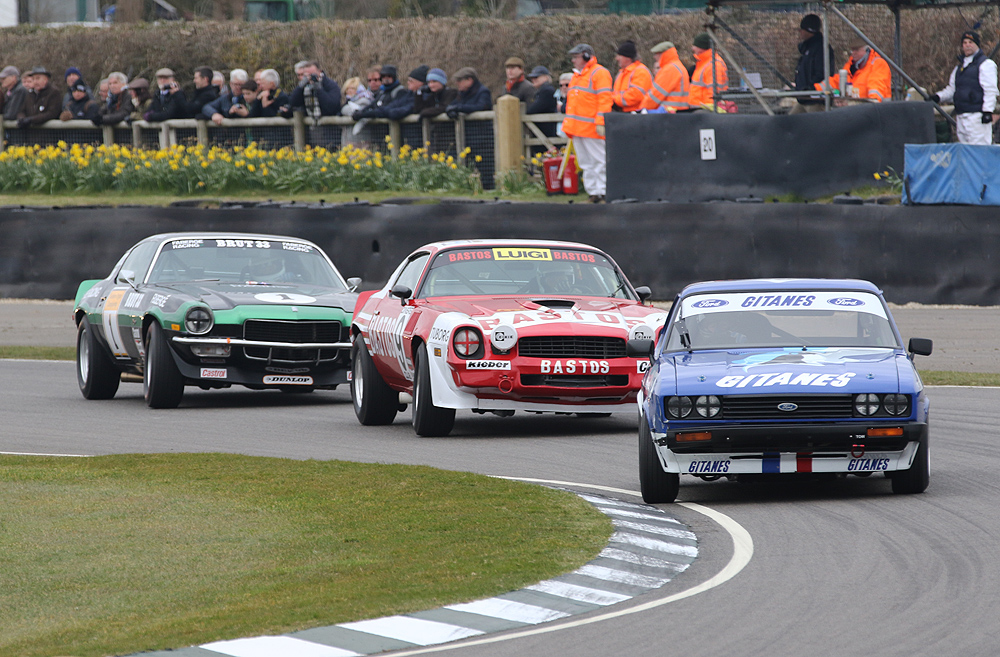
In the 1970s and 80s, touring car racing flourished with iconic rivalries and legendary machines:
- Ford vs. BMW
- Holden vs. Ford in Australia’s famous Bathurst 1000
Modern Era
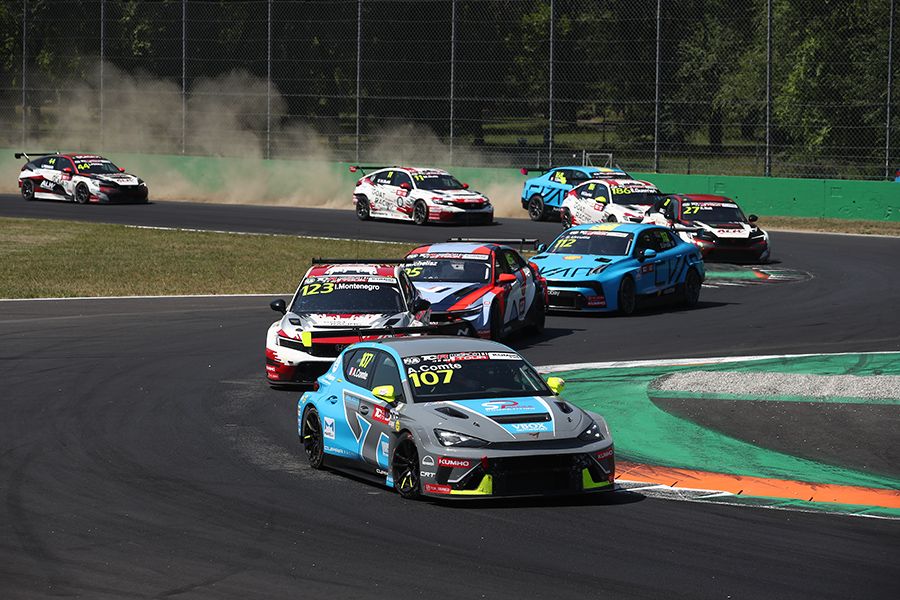
By the 2000s, standardized rules like TCR (Touring Car Racing) brought global consistency, allowing private teams to compete across national and international events with the same type of machinery.
As racing grew, so did fan engagement — from grassroots weekends to millions watching digitally and via TV.
3. Technical Regulations and Car Specs <a id=”regulations”></a>
Although different championships have unique rules, most touring cars share common technical themes:

4
Core Technical Elements
1. Production-Based Body
The race car must originate from a production model sold to the public. The silhouette remains recognizable, preserving brand identity.
2. Engine & Performance
Regulations often specify:
- Engine displacement (e.g., turbo 2.0L)
- Power limits (usually 350–400 HP depending on series)
- Standardized electronics
Manufacturers and teams tweak engines to balance reliability and competitiveness.
3. Safety Equipment
Mandatory upgrades include:
- FIA-approved roll cage
- Racing seat and harness
- Fire suppression systems
- Window nets
Safety is held to the highest standard, given the close racing nature.
4. Suspension, Brakes, Wheels
Race-tuned components replace stock parts for:
- Precision handling
- Improved heat management
- Stopping power for repeated high-speed braking
Each series enforces rules to ensure fairness and cost control.
5. Aerodynamics
Touring cars use limited aerodynamic parts such as:
- Rear wings
- Front splitters
- Diffusers
These add stability without creating the extreme downforce found in open-wheel racing.
4. Major Touring Car Championships <a id=”championships”></a>
Touring car racing has become a truly global endeavor. Below are the most prominent series:
WTCR – FIA World Touring Car Cup
The FIA World Touring Car Cup (WTCR) represents the pinnacle of international touring car racing. It features TCR-spec cars, global circuits, and top professionals.
🔗 Official sit
Key features:
- International championship across Europe, Asia, and the Americas
- Close performance parity through Balance of Performance (BoP)
- Star drivers from around the world
British Touring Car Championship (BTCC)
One of the oldest and most beloved series, the BTCC is a staple of UK motorsport.
🔗 Championship website:
Known for:
- Massive grids (20+ cars)
- Multiple sprint races per weekend
- Fan-oriented atmosphere
TCR Series (Global and Regional)
The TCR formula has revolutionized touring cars by standardizing rules for:
- TCR International Series
- Asia, Europe, Australia, Middle East regional championships
🔗 TCR World Tour info:
TCR cars are affordable, competitive, and popular among privateers.
Other Regional Series
- ADAC TCR Germany
- Italian Touring Car Championship
- Czech Touring Car Championship
- TC America
Each provides grassroots competition and stepping stones to international racing.
5. Iconic Teams and Drivers <a id=”icons”></a>
Touring cars have produced legendary rivalries and fan favorite drivers.
Legendary Touring Car Drivers
| Driver | Notable Achievements |
|---|---|
| Colin Turkington | Multiple BTCC champion |
| Gianni Morbidelli | WTCC race winner |
| Yvan Muller | Multiple WTCC champion |
| Jason Plato | BTCC legend |
| Gabriele Tarquini | WTCC title winner |
Many continue into media roles or mentoring new talent today.
Teams That Shaped the Sport
- Honda Racing Team
- BMW Team RBM
- Audi Sport Team
- Team Dynamics
- Wiesmann Motorsport
These teams blend engineering excellence with tactical racecraft.
6. Racing Formats and Race Weekends <a id=”formats”></a>
Touring car race events vary by championship but share common structures.
Typical Weekend Schedule
- Practice Sessions
Teams test setups and drivers learn circuit conditions. - Qualifying
Determines race starting positions. Some series use reverse grids for excitement. - Sprint Races
Short, high-intensity races that reward overtaking and strategy. - Feature Races
Longer events requiring tire and pit strategy.
Reverse Grid Races
Many series use reverse grid rules. For example, finishing top-10 in one race can invert the next race grid — creating unpredictable drama.
7. The Fan Experience – Tracks, Culture, and Community <a id=”fan-experience”></a>
Touring car racing has a passionate and grassroots-driven fan culture unlike many other categories.
Famous Circuits
- Circuit de Spa-Francorchamps – Belgium
- Brands Hatch – UK
- Nürburgring Nordschleife – Germany
- Mount Panorama (Bathurst) – Australia
Each track delivers distinct challenges and unforgettable moments.
Fan Engagement
Fans enjoy:
- Accessible paddock areas
- Autograph sessions
- Meet-and-greets
- Fan zones with simulators and merchandise
Touring car weekends feel close, personal, and thrilling — perfect for families and hardcore fans alike.
8. How to Watch and Follow Touring Cars Online <a id=”watch-online”></a>
You don’t need to be at the track. Here’s how to stay connected:
Live Streaming Options
- FIA WTCR Official Stream
- BTCC Live Services
- Regional TCR broadcasts on YouTube
- Motorsport streaming platforms like Motorsport.tv
Social Media and News
- Follow championships on Instagram, Twitter, and Facebook
- Join fan forums and Reddit threads
- Check race schedules and results on motorsport.com
Suggested Internal & External Links to Include on Your Website
✔ Related Internal Articles
- History of Touring Car Racing (yoursite.com/history-touring-cars)
- Top 10 Touring Car Races of All Time (yoursite.com/top-touring-car-races)
- How TCR Changed Global Touring Cars (yoursite.com/tcr-impact)
✔ External Resources
9. Future of Touring Car Racing <a id=”future”></a>
The sport evolves rapidly. Key trends include:
Electrification and Hybrid Tech
As sustainable racing grows, touring cars may adapt hybrid or electric tech — much like the evolution seen in series like Formula E.
Sim Racing and Digital Fan Engagement
Esports and virtual touring car leagues are growing, connecting new generations of fans.
Global Expansion
With TCR rules expanding into Africa, Asia, and South America, touring cars will continue reaching new audiences.
10. FAQs About Touring Cars <a id=”faqs”></a>
Q1: Are touring cars street cars?
A: Touring cars start as production models but are heavily modified for racing compared to road cars.
Q2: Can I race in touring car series?
A: Yes! Many regional and amateur TCR events welcome private entrants.
Q3: What makes touring cars exciting to watch?
A: Close racing, frequent overtaking, strategy, and relatable models.
11. Conclusion <a id=”conclusion”></a>
Touring car racing blends passion, engineering, and spectacular on-track drama. Whether you’re a seasoned fan or new to motorsport, its accessible cars and fierce competition offer something for everyone.
From historic series like the BTCC to worldwide battles in WTCR, touring cars continue to grow and captivate.
👉 For more motorsport insight, check out our related guides on racing technology, driver training, and series comparisons.
If you want, I can also provide a PDF version, metadata tags, or HTML markup for this article.
Touring Cars: The Definitive Guide to the World of Production-Based Racing
4
Author: Your Name
Published: February 2026
Word Count: ~5,300
Introduction
Touring car racing is one of the most exhilarating and accessible forms of motorsport in the world. Unlike open-wheel formats like Formula 1 or prototype racing categories, touring cars are based on production vehicles — the same cars you might see on the street. This connection to everyday cars gives the sport a unique appeal: fans can root for models similar to their own, and manufacturers can showcase what their vehicles are capable of once pushed to the limit.
In this extensive guide, we’ll explore everything from the rich history and technical regulations of touring cars to the major championships, legendary drivers, technical innovations, and how you can watch touring car racing live online.
1. What Are Touring Cars?
4
Definition
Touring cars are heavily modified versions of production cars built for competitive racing. The base vehicle must be a model sold to the general public — be it a hatchback, sedan, or compact saloon — but once in race trim it features enhancements that make it dramatically faster, safer, and more responsive than its showroom counterpart.
Key Characteristics
- Production Origin: Cars are based on versions sold to consumers.
- Modified for Competition: Race-grade safety gear and performance parts are added.
- Close Racing: Touring cars are known for competitive, door-to-door battles.
- Varied Championships: From national series like the British Touring Car Championship (BTCC) to global competition in the FIA World Touring Car Cup (WTCR).
- Relatable to Fans: Spectators love seeing familiar models on track.
2. The History and Evolution of Touring Cars
4
Early Beginnings (1900–1950s)
Touring car racing traces back to the early 1900s, when automobile owners began competing in endurance runs and reliability trials. These events tested not just speed but durability — critical in an era when modern automotive technology was still in its infancy.
As industrial production increased and cars became more common, so did races featuring production-based vehicles.
Golden Era (1960s–1980s)
By the 1960s and 1970s, touring car racing had exploded in popularity across Europe, Australia, and South America. Manufacturers raced to prove the performance of their cars, leading to intense factory rivalries.
Historic races like the Bathurst 1000 in Australia became household names, showcasing epic battles between Ford Falcons, Holden Commodores, BMW 2002s and more.
Standardization and Modern Rules (1990s–Present)
The 1990s and early 2000s saw an explosion of technical regulations that balanced performance and cost. Series like BTCC, DTM (Deutsche Tourenwagen Masters), and later the Touring Car World Cup brought innovation and global attention.
More recently, the introduction of TCR regulations in the mid-2010s created a standardized set of technical rules that allowed private teams to compete internationally without massive budgets. This democratized touring car racing and expanded it into new regions.
3. How Touring Cars Are Built

4
3.1 Production Base
Every touring car starts as a road car. Popular models include hatchbacks and sedans from brands like:
- Honda
- Toyota
- Audi
- BMW
- Volkswagen
These base cars maintain key structural elements but are transformed substantially for racing.
3.2 Safety Modifications
Before any performance work begins, safety modifications are fitted:
- Roll Cage: A welded frame protects the driver.
- Racing Seat & Harness: For safety in high-impact situations.
- Fire Suppression System: Standard in professional touring series.
- Window Nets: Prevent debris and limbs from exiting the cockpit.
Safety gear is mandated by international bodies like the Fédération Internationale de l’Automobile (FIA).
3.3 Performance Enhancements
After safety, upgrades include:
- Engine Tuning: Power bumps and throttle response enhancements.
- Transmission: Sequential gearboxes replace stock units.
- Suspension: Adjustable dampers and racing springs improve handling.
- Brakes: High-performance discs and calipers with advanced cooling.
- Aerodynamics: Front splitters, rear wings, and diffusers improve grip and stability.
These upgrades transform a street car into a competitive race machine.
4. Touring Car Technical Regulations Explained
Touring car series around the world vary in rules, but most follow similar specifications.
4.1 Power and Engine Limits
Many touring car championships limit engine output to around 350–400 horsepower from 2.0-liter turbocharged engines. These limits ensure competitive parity between different manufacturers and prevent excessive costs.
4.2 Weight and Balance
Weight plays a huge role. Series often use ballast systems to balance performance — successful drivers may carry extra weight to level competition.
4.3 Aerodynamics
Aerodynamic devices must follow strict regulations to prevent extreme downforce. Touring cars are recognizable because they look like road cars with subtle aero enhancements rather than full-on racing prototypes.
4.4 Wheels and Tires
Most championships allow only one tire supplier, with spec compounds to keep performance consistent.
5. Major Touring Car Series Around the World
Touring car racing spans continents. Here are the most important championships:
5.1 WTCR – FIA World Touring Car Cup
4
The FIA World Touring Car Cup (WTCR) is recognized as the pinnacle of global touring car competition.
🔗 Official site: https://www.fiawtcr.com/
Characteristics
- Global calendar featuring circuits in Europe, Asia, and the Americas.
- Cars built to TCR technical regulations.
- International teams with professional drivers.
WTCR brings the best touring car racers together, making it a must-watch championship.
5.2 British Touring Car Championship (BTCC)

4
The BTCC is one of the oldest and most loved touring car series in the world.
🔗 Championship site: https://www.btcc.net/
Highlights
- Massive grids with 20+ cars.
- Sprint distances that reward overtaking.
- Unique reverse-grid races for intense battles.
- A massive fan community in the UK and beyond.
BTCC has launched careers and created legends over decades.
5.3 TCR Series — Global & Regional
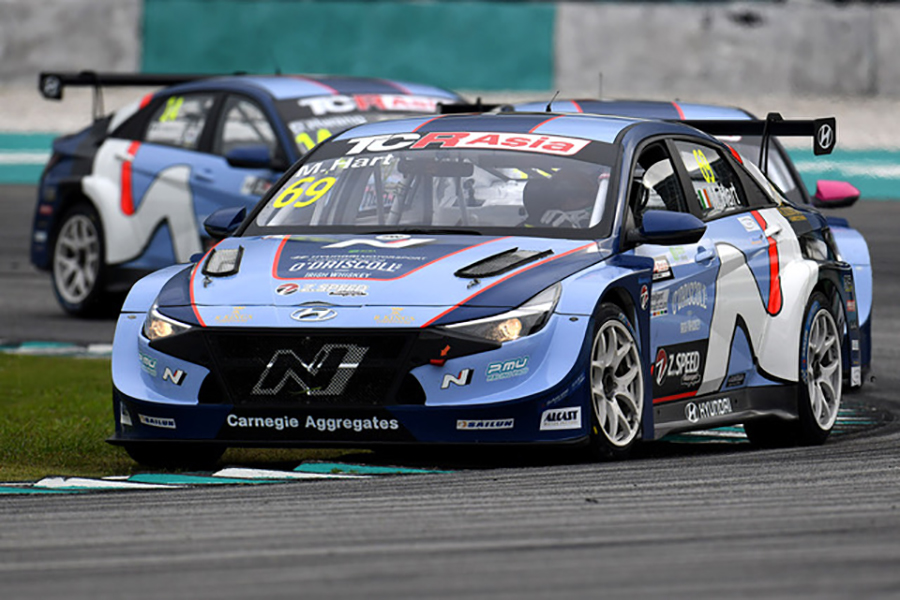
4
The TCR (Touring Car Racing) concept has become a global standard for touring car rules. It allows cars built to identical technical specifications to race in multiple championships around the world.
🔗 TCR World Tour: https://www.tcr-series.com/
Regional TCR series include:
- TCR Europe
- TCR Asia
- TCR Middle East
- TCR Australia
- ADAC TCR Germany
TCR’s success lies in cost control, parity, and accessibility.
5.4 Other National and Regional Series
Every continent has touring cars in one form or another:
- TC America (USA)
- Czech Touring Car Championship
- Italian Touring Car Championship
- Australian Supercars (Touring-style but unique regulations)
These series contribute to grassroots motorsport growth and give local drivers a platform.
6. Legendary Touring Car Drivers & Teams
Touring cars have produced heroes and fan favorites over decades.
6.1 Legendary Drivers
| Driver | Notable Achievements |
|---|---|
| Yvan Muller | Multiple WTCC titles |
| Colin Turkington | BTCC champion many times |
| Jason Plato | BTCC icon |
| Gabriele Tarquini | Touring car world champion |
| Andy Priaulx | Multi-champion in WTCC |
Each of these drivers helped elevate touring cars through talent, consistency, and charisma.
6.2 Influential Racing Teams
- Team Dynamics (BTCC heritage team)
- BMW Team RMG
- Honda Racing Team
- Mugen Motorsports
- Wiesmann Motorsport
These organizations built cars, developed drivers, and won hearts.
7. Race Formats and How Events Work
Every touring car event is designed for excitement.
7.1 Weekend Race Structure
A typical race weekend consists of:
- Free Practice Sessions – Teams dial in their cars.
- Qualifying – Determines starting order.
- Sprint Races – Short, intense races.
- Feature Races – Longer, strategic contests.
- Podiums and Fan Interaction
Many series — especially BTCC — use reverse grid formats to increase action.
7.2 Points Systems
Different series apply different scoring systems, but all reward consistency and overtaking. For example:
- Top 15 finishers scoring points in WTCR.
- Bonus points for fastest laps.
These systems keep championships alive deep into the season.
8. The Touring Car Fan Experience
4
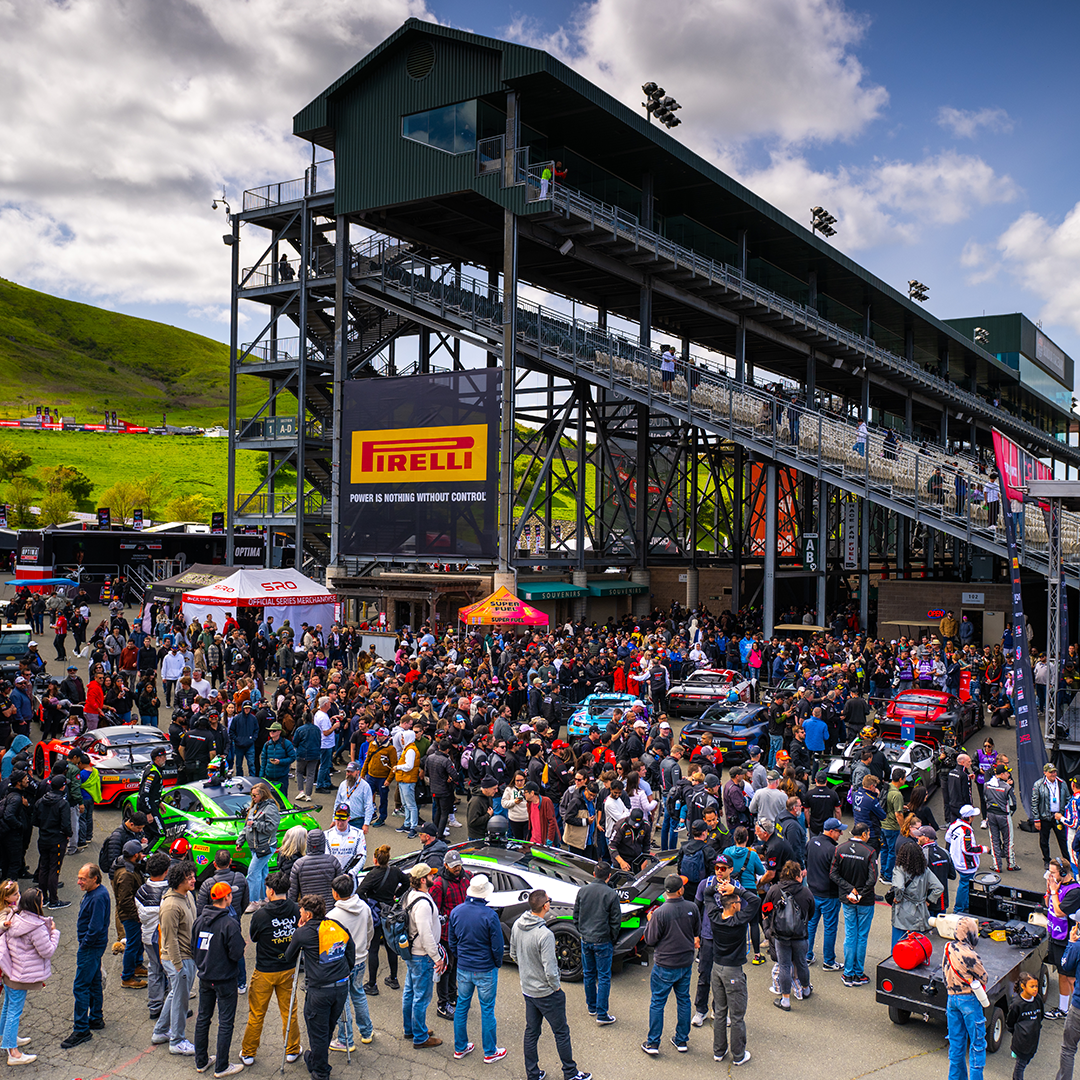
Fans choose touring cars because it’s up close and personal motorsport. Race weekends offer:
✔ Fan zones with merchandise
✔ Paddock walks and autographs
✔ Parade laps and grid tours
✔ Camping & tailgating
Series like BTCC and WTCR make fan engagement a priority.
9. How to Watch Touring Cars Online
Touring car racing is widely broadcast and streamed.
9.1 Official Live Streams
- WTCR Worldwide Stream – Official streaming feed.
- BTCC Live Services – Exclusive race broadcasts.
- TCR YouTube Channels – Coverage for regional series.
9.2 Social Media & News
Stay updated with:
- Official Twitter & Instagram feeds
- Dedicated touring car Reddit communities
- Motorsport news websites like Motorsport.com
10. Internal & External Links You Should Use on Your Website
Below are suggested links to include:
Internal Links (Your Website)
🔗 The History of Touring Car Racing — Suggested URL: /history-touring-car
🔗 Touring Car vs GT Racing Explained — /touring-car-vs-gt
🔗 Top 10 Touring Car Races of All Time — /top10-touringcar-races
External Links (Authoritative Resources)
🔗 FIA World Touring Car Cup (WTCR Official): https://www.fiawtcr.com/
🔗 British Touring Car Championship (BTCC): https://www.btcc.net/
🔗 Touring Car Racing (TCR Series): https://www.tcr-series.com/
🔗 Motorsport News & Results: https://www.motorsport.com/
11. The Future of Touring Cars
Touring cars continue to evolve. Areas of growth include:
11.1 Sustainability and Green Tech
Hybrid and electric touring car concepts are being discussed and tested as motorsport turns toward sustainability.
11.2 Data & Fan Interaction
Sim racing and virtual touring car leagues bridge the gap between esports and real-world racing.
11.3 Growing Global Participation
With TCR rules spreading across Asia, Africa, and the Americas, touring car racing has never been more diverse.
12. Frequently Asked Questions (FAQs)
Q1: Can touring cars race with street car engines?
A: They are based on street car engines, but heavily modified for safety and performance.
Q2: Is touring car racing expensive?
A: It can be cost-intensive at the professional level, but lower-level regional series are affordable.
Q3: Why do people love touring cars?
A: Fans love the close battles, recognizable vehicles, and dynamic action.
If you’re new to the sport, start with WTCR or BTCC broadcasts — you’re guaranteed to witness thrilling competition that brings you closer to the world of high-performance racing.
👉 Interested in more motorsport guides? Check out our article on How Motorsport Aerodynamics Works and The Biggest Motorsport Rivalries in History.
If you want this delivered in HTML format with SEO meta tags ready for publishing, I can generate that next.



2 Comments