Race cars represent the highest level of automotive engineering, speed innovation, and competitive performance. From the screaming engines of Formula 1 to the endurance monsters of the 24 Hours of Le Mans, are built for one purpose: to win at extreme speed.

In this complete guide, you’ll discover how are built, the technology behind them, major racing categories, safety systems, performance engineering, and the future of motorsport.
Table of Contents
- What Are ?
- The History of
- Types of
- Anatomy of a Modern
- Engine Technology
- Aerodynamics & Down force
- Materials & Carbon Fiber Engineering
- Safety Innovations
- Famous Racing Championships
- Buying & Owning a Race Car
- Conclusion
1. What Are Race Cars?
Race cars are high-performance vehicles specifically engineered for competitive motorsport. Unlike regular road cars, they are optimized for:
- Maximum speed
- Precision handling
- Lightweight construction
- Advanced aerodynamics
- Track-only performance
They are not built for comfort — they are built for milliseconds of advantage.
2. The History of Race Cars
Early Beginnings (1890s–1920s)
The first organized motor races began in France in the late 19th century. Early cars were modified road vehicles competing in endurance challenges.
The Golden Age (1950s–1970s)
After World War II, motorsport expanded globally. Events like the Indianapolis 500 and Formula 1 gained international popularity.
Manufacturers began investing heavily in innovation, transforming race cars into technological laboratories.
The Modern Era
Today’s use hybrid power units, wind tunnel simulations, AI data analytics, and advanced telemetry systems.
3. Types of Race Cars
3.1 Formula Cars (Open-Wheel)
- Used in Formula 1
- Single-seat design
- Exposed wheels
- Hybrid turbo engines
- Top speeds over 350 km/h
3.2 Stock Cars
- Popular in NASCAR Cup Series
- Heavier, oval-track racing
- Close-contact competition
3.3 Endurance Prototypes
Seen in:
- 24 Hours of Le Mans
Built for durability and sustained high speed over 24 hours.
3.4 Rally Cars
Compete in:
- World Rally Championship
Modified production vehicles designed for gravel, snow, and dirt.
3.5 Drag Racing Cars
Used in:
- National Hot Rod Association
Built for explosive acceleration over short distances.
4. Anatomy of a Modern Race Car
Chassis
Usually a carbon fiber monocoque for maximum strength and minimum weight.
Power Unit
Modern F1 engines combine:
- 1.6L turbocharged V6
- Hybrid energy recovery systems
Suspension

Race suspensions are custom-tuned for track performance and aerodynamic efficiency.
Transmission
- Sequential gearboxes
- Paddle-shift systems
- Ultra-fast gear changes
5. Engine Technology
Race car engines are engineering masterpieces.
Key Features:
- High RPM capability
- Lightweight pistons
- Turbocharging
- Hybrid electric boost
For example, Formula 1 power units produce over 1,000 horsepower including hybrid systems.
6. Aerodynamics & Downforce
Aerodynamics determine cornering speed.
Important Components:
- Front wing
- Rear wing
- Diffuser
- Floor tunnels
- Sidepods
Modern race cars can generate more downforce than their own weight.
Wind tunnel testing and CFD simulations are essential tools.
7. Materials & Carbon Fiber Engineering
Carbon fiber is the backbone of race car construction because it is:
- Extremely strong
- Lightweight
- Impact-resistant
Teams invest millions in material research to shave off fractions of a second.
8. Safety Innovations
Safety has evolved dramatically.
The Halo Device
Introduced in Formula 1 in 2018, the halo protects drivers from head injuries.
Fire-Resistant Suits
Drivers wear multi-layer suits capable of withstanding extreme heat.
Crash Structures
Cars are designed to absorb impact energy through crumple zones.
9. Famous Racing Championships
🏆 Formula 1
The pinnacle of single-seater racing.
🏁 24 Hours of Le Mans
The ultimate endurance challenge.
🏎️ NASCAR Cup Series
America’s premier stock car competition.
🌍 World Rally Championship
Off-road racing at its finest.
10. The Future of Race Cars
The future includes:
- Fully electric race cars
- Sustainable fuels
- Advanced AI strategy systems
- Autonomous racing experiments
Series like Formula E showcase electric innovation.
11. Buying & Owning a Race Car
Race cars can cost anywhere from:
- $30,000 (entry-level)
- To $15+ million for top-tier F1 machines
Maintenance costs are substantial.
Buyers often purchase:
- Former championship cars
- Custom-built track cars
- Replica race cars
12. Internal & External Links Strategy (For SEO)
🔗 Internal Link Examples (For Your Website)
- /racing-car-aerodynamics-guide
- /carbon-fiber-race-cars
- /formula-1-technology
- /motorsport-safety-features
- /best-race-car-engines
🌐 External Authority Links (Recommended)
- Official Fédération Internationale de l’Automobile website
- Official Formula 1 site
- National Association for Stock Car Auto Racing
- 24 Hours of Le Mans official site
13. Race Car Performance Statistics
| Category | Top Speed | Horsepower |
|---|---|---|
| Formula 1 | 350+ km/h | 1,000+ HP |
| NASCAR | 320+ km/h | 750+ HP |
| Le Mans Hypercar | 330+ km/h | 670+ HP |
| Rally Car | 200+ km/h | 380+ HP |
14. Why Race Cars Matter
Race cars are more than competition machines. They:
- Drive innovation in road cars
- Improve safety technology
- Advance hybrid and electric systems
- Inspire automotive engineering
Many technologies in your daily vehicle were born in motorsport.
15. Conclusion: The Engineering Marvel of Race Cars

Race cars combine speed, science, risk, and precision into one extraordinary machine. From the innovation labs of Fédération Internationale de l’Automobile to the global stage of Formula 1, these machines represent the ultimate pursuit of performance.
As motorsport evolves toward sustainability and electric power, race cars will continue pushing the boundaries of what is mechanically possible.
🖼 Suggested Image Placements (For Website Use)
- Formula 1 car on track (hero image)
- Le Mans prototype at night
- NASCAR pack racing
- Rally car drifting on gravel
- Carbon fiber chassis close-up
- Halo safety system detail
If you’d like, I can now:
Just tell me your website niche (blog, news, affiliate, automotive store, etc.). 🏎️ 1. 0–60 MPH in Under 2 Seconds
Modern Formula 1 cars accelerate from 0–60 mph (0–100 km/h) in under 2.6 seconds, while electric race cars in Formula E deliver instant torque for explosive launches.
This acceleration is made possible by:
- Hybrid power units
- Advanced traction control (in some series)
- Ultra-soft racing slicks
- Lightweight carbon fiber chassis
The G-force during acceleration can exceed 2G, pushing drivers deep into their seats.
2. Over 1,000 Horsepower Engines
In top-tier racing like Formula 1, hybrid turbocharged V6 engines produce over 1,000 horsepower when combining internal combustion and electric systems. Meanwhile:
- Top Fuel dragsters exceed 11,000 horsepower
- Le Mans Hypercars combine combustion + electric motors
Power delivery is precisely controlled by advanced ECU systems and energy recovery units (ERS).
3. Carbon Fiber Construction
Nearly every modern race car uses carbon fiber monocoque construction because it is:
- Stronger than steel
- Lighter than aluminum
- Extremely impact-resistant
Carbon fiber survival cells protect drivers in crashes exceeding 200 mph.
4. Downforce Exceeding 5,000 Pounds
Race cars generate enormous aerodynamic downforce using:
- Front wings
- Rear wings
- Diffusers
- Floor tunnels
At high speeds, Formula 1 cars can generate enough downforce to theoretically drive upside down in a tunnel.
5. Top Speeds Above 230 MPH
Cars at Monza in Formula 1 often exceed 230 mph. At Le Mans, prototypes approach similar speeds on the Mulsanne Straight.
In comparison:
- NASCAR cars top around 200 mph
- IndyCars exceed 240 mph at Indianapolis
Speed depends heavily on track configuration and aerodynamic setup.
6. Drivers Experience Over 5G Forces
During braking and cornering, drivers endure 4–6G forces. This means their heads can weigh over 30 kg under braking pressure.
Training focuses on:
- Neck strength
- Core stability
- Cardiovascular endurance
Motorsport drivers are elite athletes.
7. Hybrid Power Units Dominate Modern Racing
Formula 1 and endurance racing use hybrid systems combining:
- Turbocharged engines
- Energy Recovery Systems (ERS)
- Battery packs
Hybrid systems increase efficiency while maintaining extreme performance.
8. Nitrous and Boost Systems
In drag racing and certain motorsport categories:
- Nitrous oxide systems increase oxygen intake
- Turbochargers force more air into combustion chambers
- Superchargers provide instant boost
This results in explosive straight-line speed.
9. Precision Aerodynamics
Wind tunnel testing and CFD simulations refine every surface:
- Wing angles
- Air ducts
- Brake cooling channels
- Sidepod airflow
Even millimeter adjustments can change lap times by tenths of a second.
10. Pit Stops in 2 Seconds
In Formula 1, pit crews change four tires in approximately 2–2.5 seconds. This requires:
- Coordinated choreography
- Specialized pneumatic wheel guns
- Real-time telemetry communication
Pit stop performance can decide championships.
11. Slick Racing Tires
Slick tires have no tread pattern, maximizing rubber contact with the track. Tire compounds vary:
- Soft (maximum grip)
- Medium
- Hard (long durability)
In wet conditions, teams switch to intermediate or full wet tires.
12. Drifting Techniques in Motorsport
In drift competitions and rally stages, controlled oversteer is key.
Series like Formula Drift focus entirely on:
- Angle
- Style
- Proximity
- Smoke
Drifting requires precision throttle control and steering balance.
13. Turbocharging Technology
Turbochargers compress incoming air using exhaust gases. Benefits include:
- Increased horsepower
- Improved efficiency
- Higher torque
Modern racing turbos operate at extreme RPM levels.
14. Roll Cages and Safety Cells
Safety innovations include:
Carbon fiber survival cells
Halo device (F1) 15. Telemetry Data Systems
Race teams collect real-time data including:
- Tire temperatures
- Brake wear
- Fuel consumption
- Suspension travel
Engineers analyze data live to optimize strategy.
16. Advanced Brake Systems
Carbon-carbon brakes operate at temperatures over 1,000°C.
They provide:
- Massive stopping power
- Lightweight performance
- Fade resistance
Drivers can decelerate from 200 mph to 0 in seconds.
17. Anti-Lag Systems
Used in rally cars, anti-lag systems keep turbochargers spinning even when the driver lifts off the throttle.
This eliminates turbo delay and ensures immediate acceleration.
18. Lightweight Engineering
Every gram matters. Teams reduce weight through:
- Titanium bolts
- Carbon fiber panels
- Magnesium wheels
- 3D-printed components
Weight reduction improves acceleration, braking, and cornering.
19. Rally Racing Versatility
In the World Rally Championship, cars compete on:
- Gravel
- Snow
- Tarmac
- Mud
Suspension systems are built to absorb massive impacts while maintaining grip.
20. Simulator Training
Professional drivers train using advanced simulators that replicate:
- Track conditions
- Weather
- Tire degradation
- Car setup changes
Sim training reduces costs and improves race preparation.
21. Driver Fitness and Reaction Speed
Drivers have reaction times under 200 milliseconds.
They burn up to 1,000 calories per race and can lose several kilograms in sweat during hot events.
22. Advanced Suspension Systems
Race suspension systems include:
- Pushrod setups
- Pullrod designs
- Adjustable dampers
- Hydraulic systems
These maximize tire contact and cornering grip.
23. Aerodynamic Wings
Front and rear wings generate critical downforce. Adjustable systems like DRS (Drag Reduction System) allow overtaking by reducing drag on straights.
24. Endurance Engineering
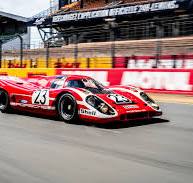
At events like the 24 Hours of Le Mans:
- Cars run for 24 continuous hours
- Reliability is as important as speed
- Multiple drivers share the cockpit
Endurance racing tests mechanical durability and team strategy.
25. Motorsport Drives Road Car Innovation
Technologies developed in racing eventually reach road cars:
- Paddle shifters
- Carbon ceramic brakes
- Hybrid systems
- Aerodynamic body design
Racing acts as a high-speed laboratory for automotive innovation.
Final Thoughts
Race cars are more than just fast machines — they are engineering masterpieces built through relentless innovation, human skill, and technological evolution. From the electrified future of Formula E to the heritage of endurance racing at Le Mans, motorsport continues to redefine what is mechanically possible.
If you’d like, I can now:
Generate social media captions for promotion 🚗
Expand this into a 5,000+ word SEO article
Add internal and external website links
Create more infographic-style images
Convert this into a blog-ready format




One Comment