In high-performance motorsports — whether Formula 1, rallying, endurance racing, or club competition — managing heat and airflow isn’t just about keeping an engine cool. Ventilation systems play an essential role in maintaining driver comfort, cockpit safety, and vehicle performance. The extreme heat, high speeds, and aerodynamic constraints of racing present unique engineering challenges that demand sophisticated solutions. This article delves into how race car ventilation works, why it matters, and what technologies are used on and within the vehicle.
Table of Contents
- Why Ventilation Matters in Racing
- Types of Ventilation in Race Cars
- Cockpit Ventilation Race Car Ventilation
- Engine Component & Brake Ventilation
- Helmet & Driver Ventilation
1. Why Ventilation Matters in Racing <a id=”why-ventilation-matters”></a>
In motorsport, heat is everywhere. Engines generate significant thermal energy, brakes can exceed 1000°C, and drivers can exceed their thermal comfort thresholds — especially in hot climates or long endurance races. Efficient ventilation systems help:
- Maintain Human Performance: Excess heat raises cardiovascular strain and reduces driver focus.
- Improve Mechanical Reliability: Heat accelerates component wear and can cause failure.
- Enhance Safety: Proper ventilation reduces the buildup of gases like CO and prevents fogging on visors and windows.
- Optimize Aerodynamics: Ventilation must work with aerodynamic design, not against it.
Ventilation isn’t isolated — it’s an integrated component of overall thermal and fluid management in modern racing cars.
2. Types of Ventilation in Race Cars <a id=”types-of-ventilation”></a>
Race car ventilation can be broadly grouped into three key areas:
2.1 Cockpit Ventilation
Cockpit ventilation ensures fresh air enters the driver’s compartment, aiding comfort and alertness. Unlike road cars, race cars lack traditional HVAC systems due to weight and complexity constraints. Instead, ventilation solutions include: Race Car Ventilation Systems
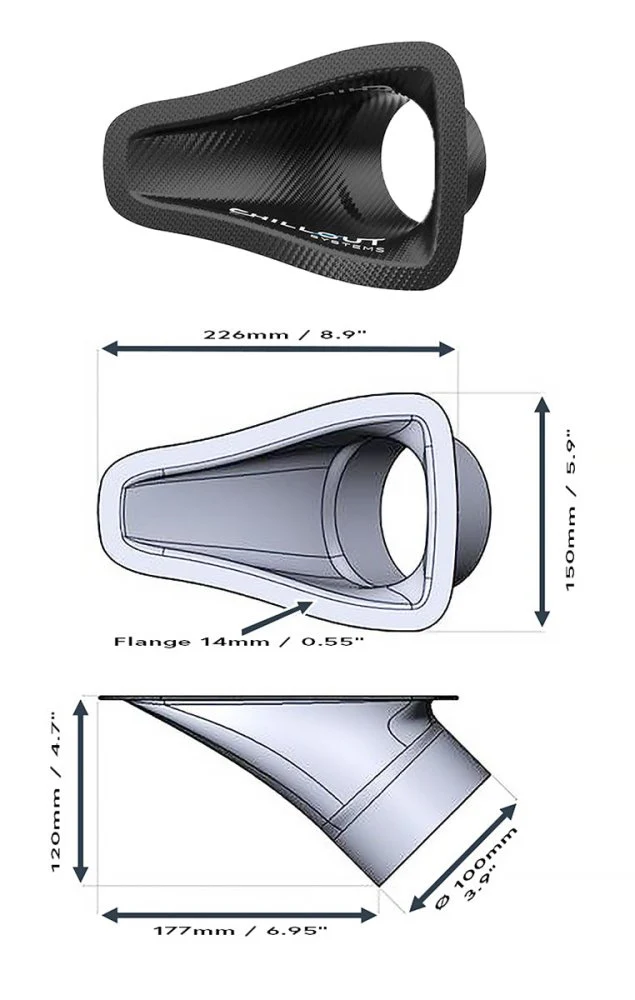
- Roof Vents: These capture high-pressure airflow and channel it directly into the cockpit.
- Side Air Scoops: Often positioned on the bodywork to feed fresh air.
- Window Nets & Vent Porting: Flexible or fixed solutions to increase airflow into the cockpit.
📷 (Image idea: diagram showing airflow through a roof vent into a race car cockpit)
Example: In rally cars, where windows are not opened due to safety concerns, a roof scoop keeps dust out and air flowing through the cabin to maintain clear breathing conditions.
2.2 Engine Component & Brake Ventilation
A critical and highly specialized part of race car ventilation lies within its mechanical systems: Race Car Ventilation Systems
- Brake Ducts: Direct high-pressure air toward brake assemblies to dissipate heat quickly and prevent brake fade. Race Car Ventilation Systems
- Radiator & Oil Cooler Intakes: Air is channeled via body vents and ducts to cool engine fluids while balancing aerodynamic drag. Race Car Ventilation Systems
In some advanced aircraft-inspired designs, NACA ducts are used because they allow airflow with minimal drag penalty — important in high-speed racing. Race Car Ventilation Systems
📷 (Image idea: brake duct airflow schematic with high-speed air paths) Race Car Ventilation Systems
2.3 Helmet & Driver Ventilation
At the human scale, ventilation extends into personal cooling systems:
- Some race gear integrates forced-air ventilation that delivers fresh air directly to the driver’s helmet.
- Systems may include cool air induction kits that distribute airflow around the head for thermal comfort.
Even as entertainment and esports adopt racing technology, these cockpit climate systems influence driver endurance and performance in real racing scenarios.
3. Core Components of Race Car Ventilation Systems <a id=”components”></a>
Although terminology varies by racing discipline, certain key elements recur in properly designed ventilation systems: Race Car Ventilation Systems
3.1 Air Intakes and Scoops
Air enters through specific vents designed into the body — whether on the roof, nose, sides, or rear — capturing airflow without disrupting the car’s aerodynamics.
- Roof Scoops: Provide direct cockpit air with positive pressure.
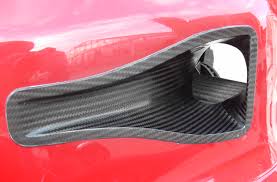
- NACA Ducts: Hidden, flush-mounted for minimal drag while still capturing airflow.
3.2 Ducting & Channeling
Once air is captured at the surface, it travels through ducts to targeted areas:
- Cockpit vents Race Car Ventilation Systems
- Brake heat exchangers Race Car Ventilation Systems
- Engine radiators Race Car Ventilation Systems You Must Know
- Electronic cooling paths Race Car Ventilation Systems You Must Know
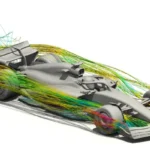
These ducts are computationally optimized using CFD (Computational Fluid Dynamics) to balance airflow, minimize resistance, and reduce added weight.
3.3 Ventilation Fans & Heat Exchangers
Where passive airflow isn’t sufficient — especially at low speeds or in extreme heat — small fans and heat exchangers assist with airflow through cabins or around components. This is particularly useful in endurance racing. Race Car Ventilation Systems
3.4 Exhaust & Outlet Design
Every ventilation system must remove heated air efficiently. Strategic outlets ensure fresh air can replace hot air, reducing stagnation and pressure buildup. In some cases, outlets also contribute to downforce or aerodynamic balance. Race Car Ventilation Systems You Must Know
4. Design Considerations & Aerodynamics <a id=”design-considerations”></a>
Race car ventilation must co-exist with the vehicle’s aerodynamic performance. Air captured for ventilation should not substantially disrupt downforce generation or increase drag.
Aerodynamic Cooling Packages
Teams carefully design sidepods, louvers, and ducts so that cooling and ventilation requirements don’t compromise overall performance. For example:
- Enlarged cooling outlets may disrupt airflow but are necessary for sufficient heat rejection.
- Aerodynamicists often optimize vents asymmetrically, depending on the layout and specific track demands.
Thermal Operating Windows
Components like carbon brake discs require precisely controlled temperatures — too hot leads to fade, too cool reduces friction.
Driver Comfort vs. Performance Trade-Offs
Ventilation systems must balance driver comfort with weight and aerodynamic penalties. Adding ducting or fans increases complexity and mass, potentially affecting performance.
5. Ventilation Challenges in Modern Racing <a id=”challenges”></a>
Despite sophisticated designs, several challenges remain:
Extreme Heat Conditions
Events in desert climates or during summer races put extreme thermal demands on ventilation, sometimes pushing drivers toward dehydration or heat exhaustion.
In response, governing bodies like the FIA have explored cockpit cooling systems specifically for extreme heat, including active cooling trials. Race Car Ventilation Systems You Must Know
Ventilation vs. Safety Regulations
As ventilation increases, ensuring it doesn’t create safety weaknesses — like weakened bodywork or unwanted pressure fluctuations — is critical.
Integration with Other Systems
Ventilation must work alongside:
- Braking systems Race Car Ventilation Systems
- Power unit cooling Race Car Ventilation Systems
- Electrical & hybrid systems (in modern series) Race Car Ventilation Systems
6. Recent Developments and Innovations <a id=”innovations”></a>
FIA Cockpit Cooling Trials
In recent Formula 1 seasons, the FIA approved passive cockpit scoops to improve airflow and is now testing active cooling solutions to complement them in extreme conditions.
Advanced Computational Design
CFD tools allow teams to predict airflow paths and temperature gradients accurately, leading to better integration of ventilation channels without compromising performance Race Car Ventilation Systems
Helmet Integrated Ventilation Kits
More specialized helmet ventilation systems deliver direct airflow to the driver’s head and face, improving comfort without reliance on cabin airflow. Race Car Ventilation Systems
7. Conclusion <a id=”conclusion”></a>
Race car ventilation is a multifaceted engineering discipline that blends human comfort, mechanical reliability, thermal management, and aerodynamic performance. From roof scoops and NACA ducts to helmet ventilation systems and active cockpit cooling, modern racing demands solutions that keep drivers cool and components within safe operating windows.
Aerodynamics, materials science, and driver safety regulations continuously shape the evolution of ventilation systems — making them a crucial aspect of competitive motorsport engineering.
Internal & External Links for Publication
Suggested Internal Links (adapt to your website)
- About Race Car Aerodynamics — insert your URL
- Brake Cooling in Performance Cars — insert your URL
- Driver Safety Systems in Motorsports — insert your URL
External References
- F1 car cooling systems explained (Motorsport.tech) (Reuters)
If you want, I can export this in HTML format for your website or add custom images and captions too — just let me know! Race Car Ventilation Systems
1. The Physics Behind Race Car Ventilation
Race car ventilation is based on three fundamental principles:
1.1 Pressure Differential
Air flows from high-pressure zones to low-pressure zones. Designers place intakes where airflow stagnates (high pressure) and outlets where pressure is low.
At 300 km/h, dynamic pressure becomes enormous — making airflow capture both powerful and potentially disruptive to aerodynamics.
1.2 Heat Transfer
Ventilation supports three types of heat transfer:
- Convection (moving air removes heat)
- Conduction (heat transfer through materials)
- Radiation (heat emitted from hot components)
Brakes in F1 can exceed 1000°C, while cockpit temperatures can surpass 60°C in extreme events.
1.3 Mass Flow Rate
Ventilation efficiency depends on how much air (kg/s) moves through the system. Too little airflow causes overheating. Too much airflow increases drag.
Engineering challenge: maximize cooling with minimum aerodynamic penalty.
2. Cockpit Ventilation Systems
Driver performance drops significantly when core temperature rises. Studies show a 2–3°C rise in body temperature can reduce reaction time.
2.1 Why Cockpit Ventilation Matters
- Prevents heat stress
- Reduces fogging on visor
- Improves oxygen exchange
- Maintains cognitive sharpness
Following extreme heat events in Qatar and Singapore, the FIA began testing mandatory cooling systems in Formula One.
2.2 Roof Scoops
Roof scoops are common in rally and endurance cars.
How they work:
- Positioned in high-pressure airflow above windshield
- Capture fresh air
- Channel through ducting into cockpit
Advantages:
- Lightweight
- Passive system
- Minimal mechanical complexity
Disadvantages:
- Adds aerodynamic drag
- Can disturb airflow to rear wing
2.3 NACA Ducts
NACA duct technology allows airflow intake with minimal drag.
Characteristics:
- Flush with body surface
- Submerged inlet design
- Reduces turbulence
These ducts are frequently used for:
- Cockpit cooling
- Brake cooling
- Electronics ventilation
2.4 Helmet Ventilation Systems
Drivers often use forced-air helmet kits.
Components:
- External air hose
- Micro-blower fan
- Helmet distribution channels
This direct airflow prevents:
- CO₂ buildup
- Visor fogging
- Heat stroke
In endurance racing like 24 Hours of Le Mans, helmet ventilation is essential due to extended stints.
3. Brake Ventilation Systems
Brakes generate enormous heat due to friction.
3.1 Brake Duct Engineering
Air enters through:
- Front wing inlets
- Dedicated brake scoops
- Side ducts
Air is routed toward:
- Brake disc center
- Caliper assembly
In Formula One, brake ducts are so complex they influence wheel wake aerodynamics.
3.2 Carbon Brake Cooling
Carbon-carbon brakes require precise operating windows:
- Too cold → poor bite
- Too hot → brake fade
Teams optimize:
- Hole patterns in brake discs
- Duct shape and size
- Airflow direction
4. Engine & Power Unit Ventilation
Modern hybrid race cars generate heat from:
- Internal combustion engine
- Turbocharger
- Battery systems
- Power electronics
In World Endurance Championship hypercars, cooling is one of the biggest design challenges.
4.1 Sidepod Cooling Systems
Sidepods contain:
- Radiators
- Oil coolers
- Intercoolers
Air enters at sidepod inlets and exits through rear cooling louvres.
Increasing cooling capacity often:
- Raises drag
- Reduces top speed
Teams create different cooling packages depending on climate.
5. Aerodynamic Trade-Offs
Ventilation must coexist with downforce production.
Larger inlets:
- Increase cooling
- Increase drag
Smaller inlets:
- Improve speed
- Risk overheating
Aerodynamicists use CFD simulations to optimize airflow balance.
6. Ventilation in Different Racing Categories
6.1 Formula Racing
In Formula One:
- Highly integrated cooling systems
- Strict regulatory constraints
- Aerodynamic priority
6.2 Stock Car Racing
In NASCAR Cup Series:
- Larger front grille openings
- Emphasis on engine cooling
- Simpler cockpit ventilation
6.3 Endurance Racing
In 24 Hours of Le Mans:
- Driver change considerations
- Extreme night/day temperature shifts
- Hybrid cooling integration
7. Safety & Regulations
Heat exhaustion became a major concern after high-temperature races.
The FIA introduced:
- Minimum cockpit airflow requirements
- Cooling vest allowances
- Emergency extraction airflow standards
Ventilation now directly ties into safety compliance.
8. Materials Used in Ventilation Systems
Ventilation components must be:
- Lightweight
- Heat resistant
- Aerodynamically smooth
Common materials:
- Carbon fiber ducts
- Kevlar reinforced tubing
- Titanium fasteners
- High-temperature silicone hoses
9. CFD & Wind Tunnel Development
Modern ventilation design relies on:
- Computational Fluid Dynamics (CFD)
- Wind tunnel testing
- Thermal imaging cameras
- Infrared brake temperature monitoring
CFD allows engineers to simulate airflow at 300+ km/h before physical testing.
From cockpit roof scoops to carbon brake ducting, ventilation influences lap times, reliability, and driver survival.
Just tell me your preference.