5
Table of Contents
- What Are Racing Vehicles?
- A Brief History of Racing
- Classification of Racing Vehicles
- Key Components & Technologies
- Aerodynamics: The Invisible Force
- Engines & Powertrains
- Tires, Brakes & Suspension
- Safety in Racing Vehicles
- The Future of Racing Vehicles
- Conclusion
- References & Further Reading
1. What Are Racing Vehicles? <a id=”what-are-racing-vehicles”></a>
Racing vehicles are machines specifically engineered for high-speed competition. Unlike standard road vehicles, these are designed with one goal in mind: performance, speed, and efficiency on the track. They range from lightweight motorcycles to sophisticated open-wheel cars and purpose-built endurance prototypes.
Racing vehicles push the limits of engineering, combining cutting-edge technology, precision design, and human skill. Whether on asphalt, dirt, or drag strips, each class of racing vehicle has its own set of design principles.
External Resource: Learn how FIA defines racing vehicle classes — Read more at the FIA official website → https://www.fia.com
2. A Brief History of Racing <a id=”history-of-racing”Racing dates back over a century. The first organized automobile race occurred in 1894, from Paris to Rouen, France. This marked the beginning of competitive motor sports.
Early Milestones
- 1894 – Paris–Rouen linked competit
- 1903 – First Grand Prix in France
- 1920s–30s – Growth of European racing culture
- 1950 – First Formula One World Championship season
- 1960s–70s – Aerodynamics and safety innovations
- 1990s–2000s – Rise of global motorsport series
Racing has shaped automotive innovation by demanding extreme performance and reliability, influencing road car design too.
3. Classification of Racing Vehicles <a id=”classification”></a>
Racing vehicles can be grouped by track type, design philosophy, and competition rules.
3.1 Open-Wheel Cars <a id=”open-wheel”></a>
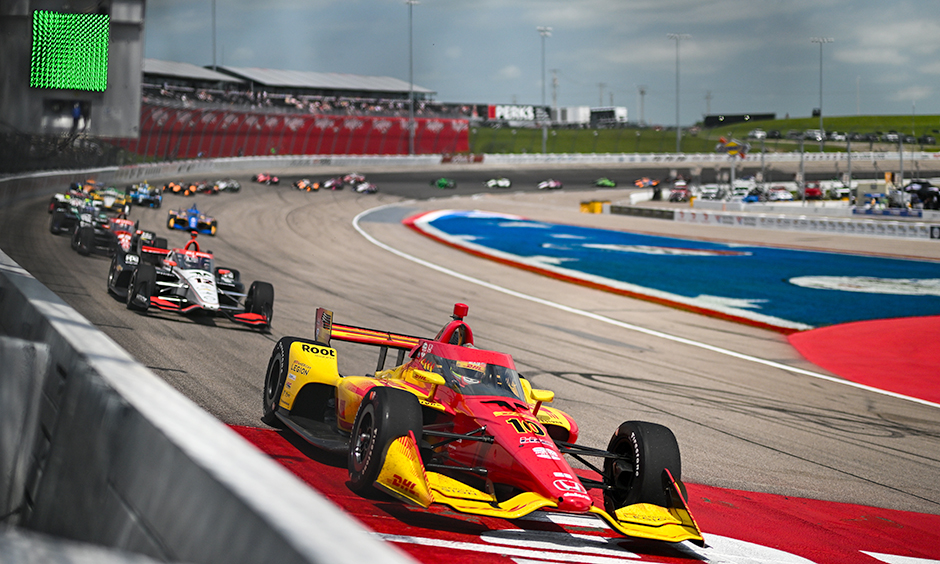
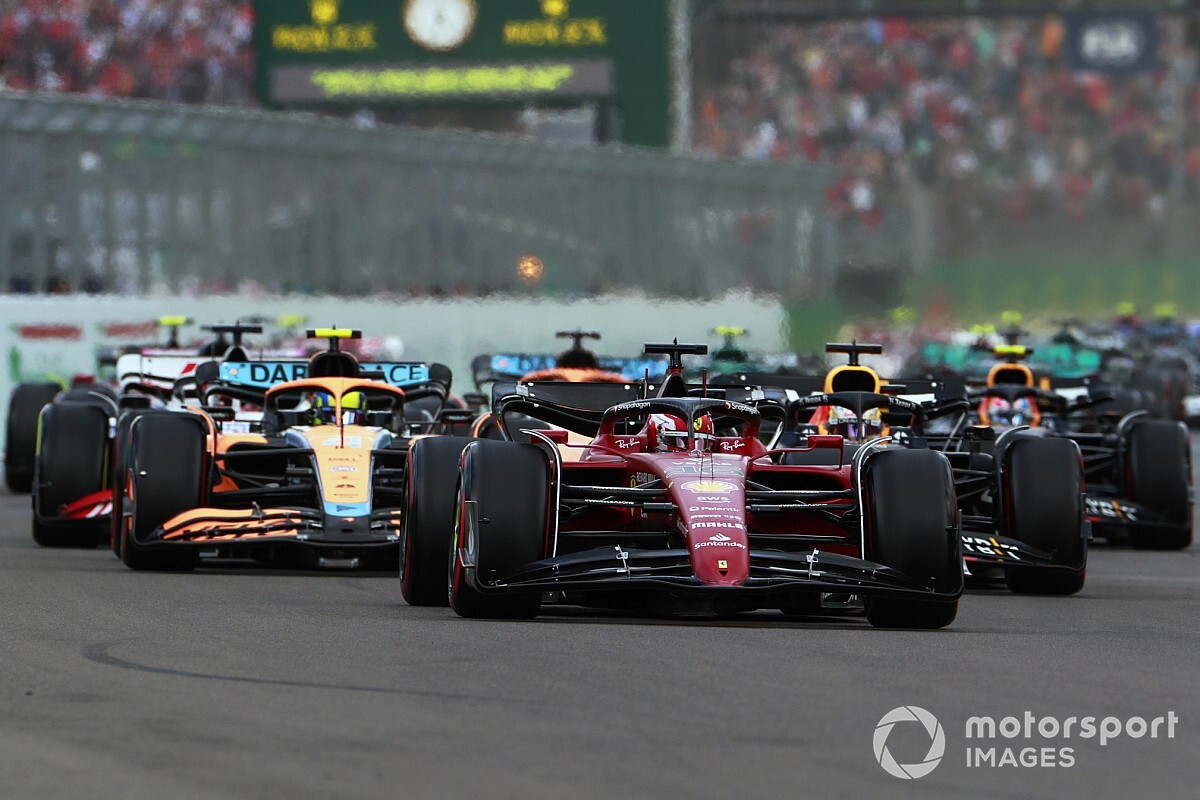
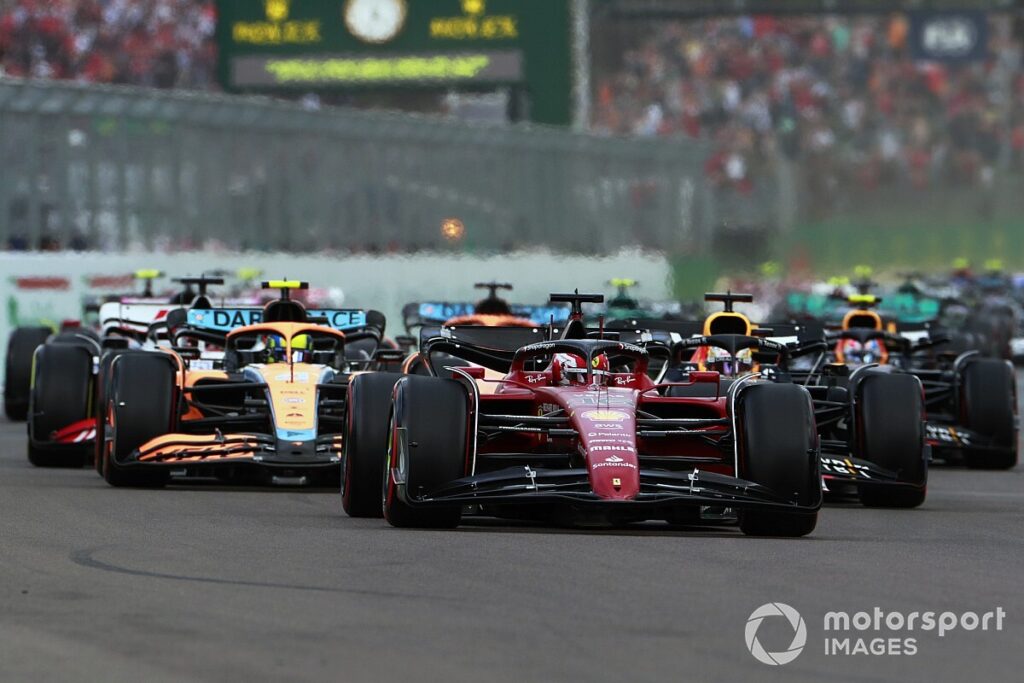
Open-wheel cars are characterized by exposed wheels and aerodynamic bodywork. The most famous example is Formula 1 (F1), the pinnacle of single-seater racing.
Features
- Extremely lightweight carbon-fiber chassis
- Advanced aerodynamics with wings and diffusers
- Hybrid power units (in modern F1)
Examples
- Formula 1 cars
- IndyCars
- Formula 2 / Formula 3
3.2 Stock Cars <a id=”stock-cars”></a>
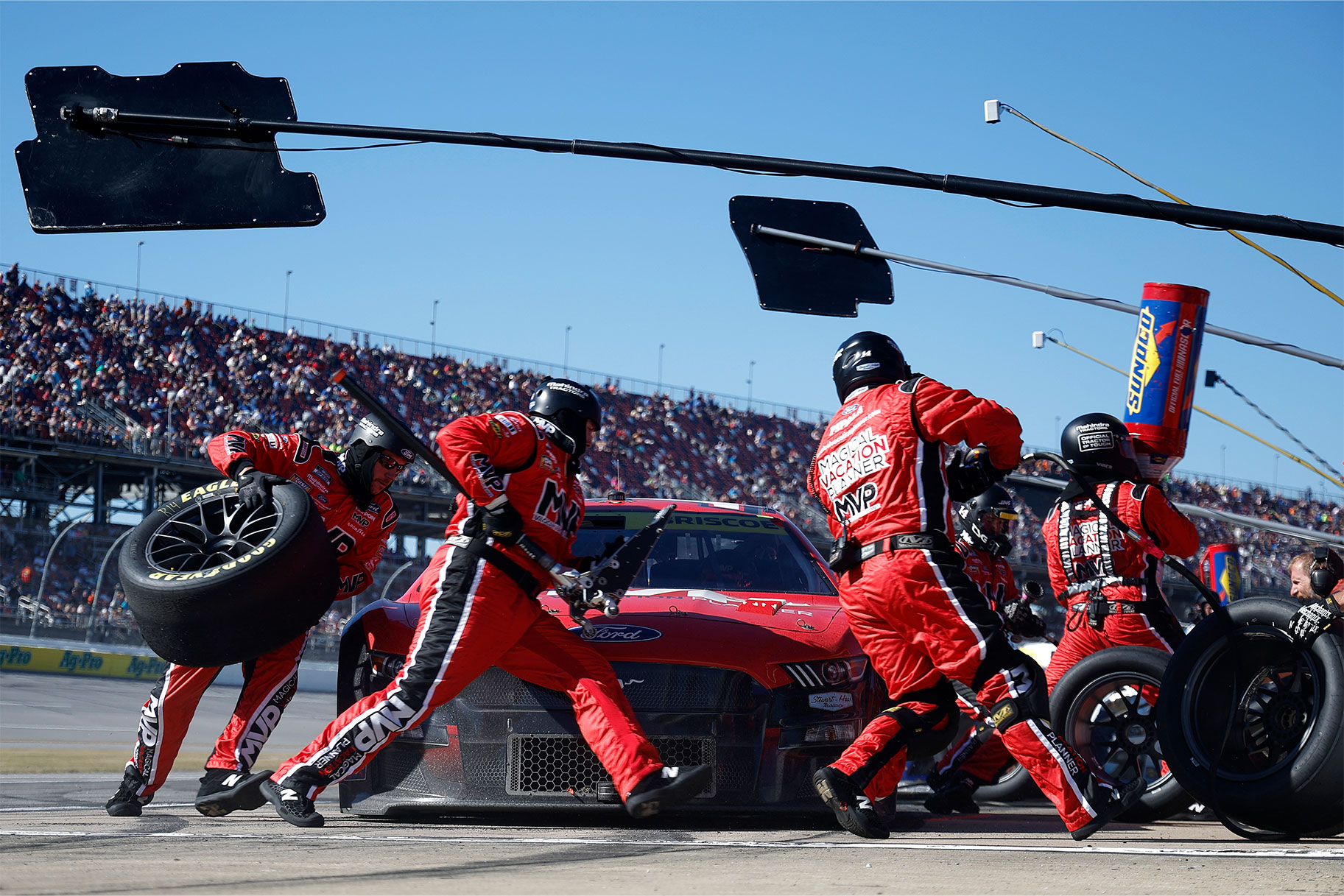
Stock cars are production-based vehicles modified for racing, most notably in NASCAR in the United States.
Key Characteristics
- Heavy, powerful V8 engines
- Oval track focus
- Intense, close-quarters racing
Unlike open-wheel cars, stock cars have enclosed wheels and share more design elements with everyday automobiles.
3.3 Touring Cars <a id=”touring-cars”></a>
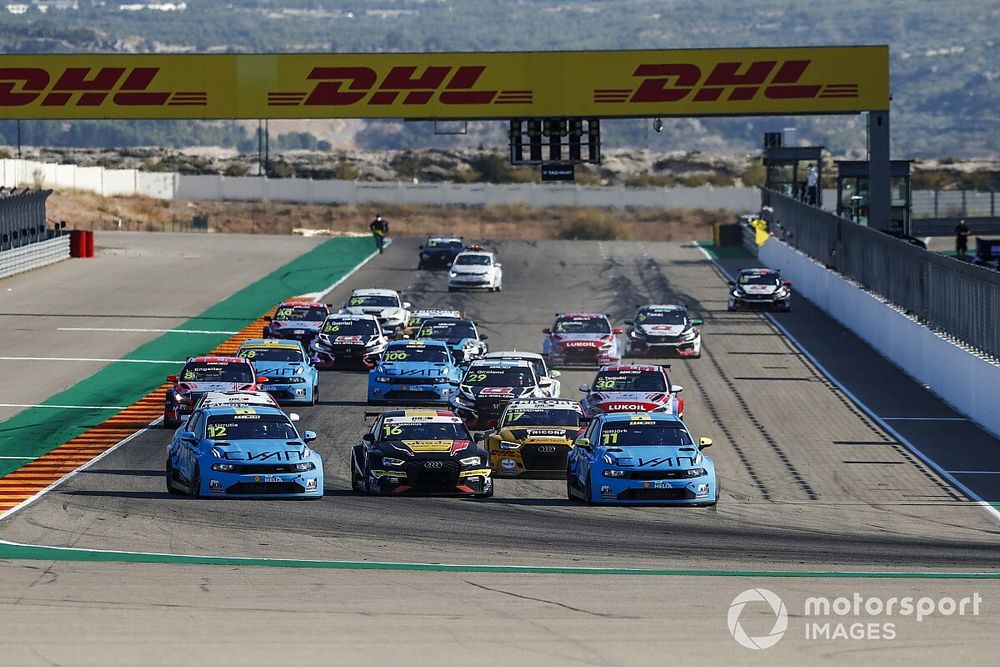
These are modified versions of road-going sedans and hatchbacks. Championships include:
- WTCR (World Touring Car Cup)
- BTCC (British Touring Car Championship)
Touring cars balance performance and realism, making them fan favorites.
3.4 Drag Racing Vehicles <a id=”drag-racing”></a>

Drag racing is all about straight line acceleration over short distances (usually a quarter-mile or 1,000 ft).
Types
- Top Fuel Dragsters
- Funny Cars
- Pro Stock Vehicles
Some dragsters exceed 330 mph (530 km/h) in under 4 seconds.
3.5 Motorcycles & MotoGP <a id=”motorcycles”></a>
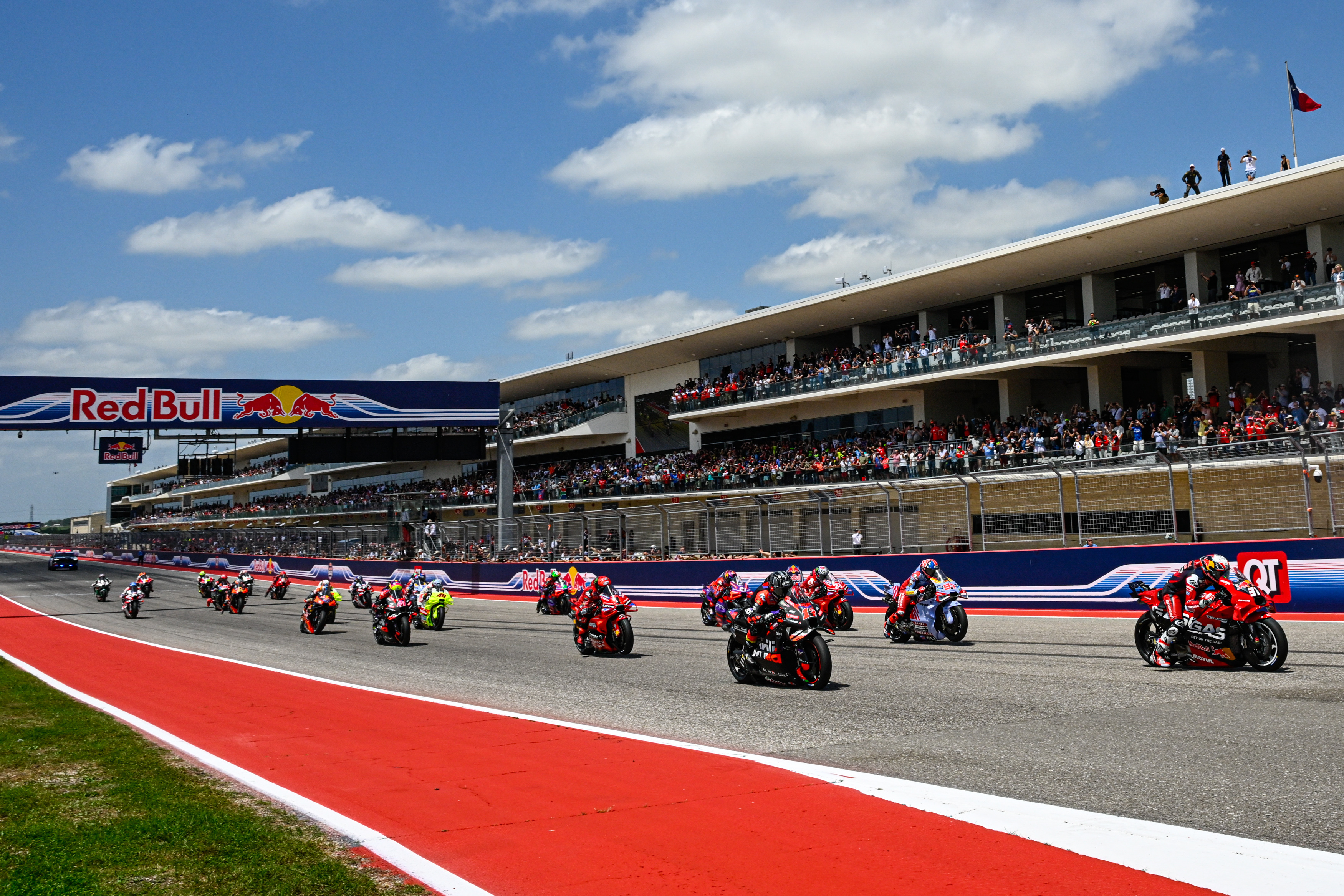
Two-wheeled competition is a major branch of motorsport. The premier class is MotoGP.
Key Points
- Prototype racing bikes, >250 hp
- Lean angles exceeding 60° in corners
- Superbike series based on production models
3.6 Rally Cars <a id=”rally-cars”></a>
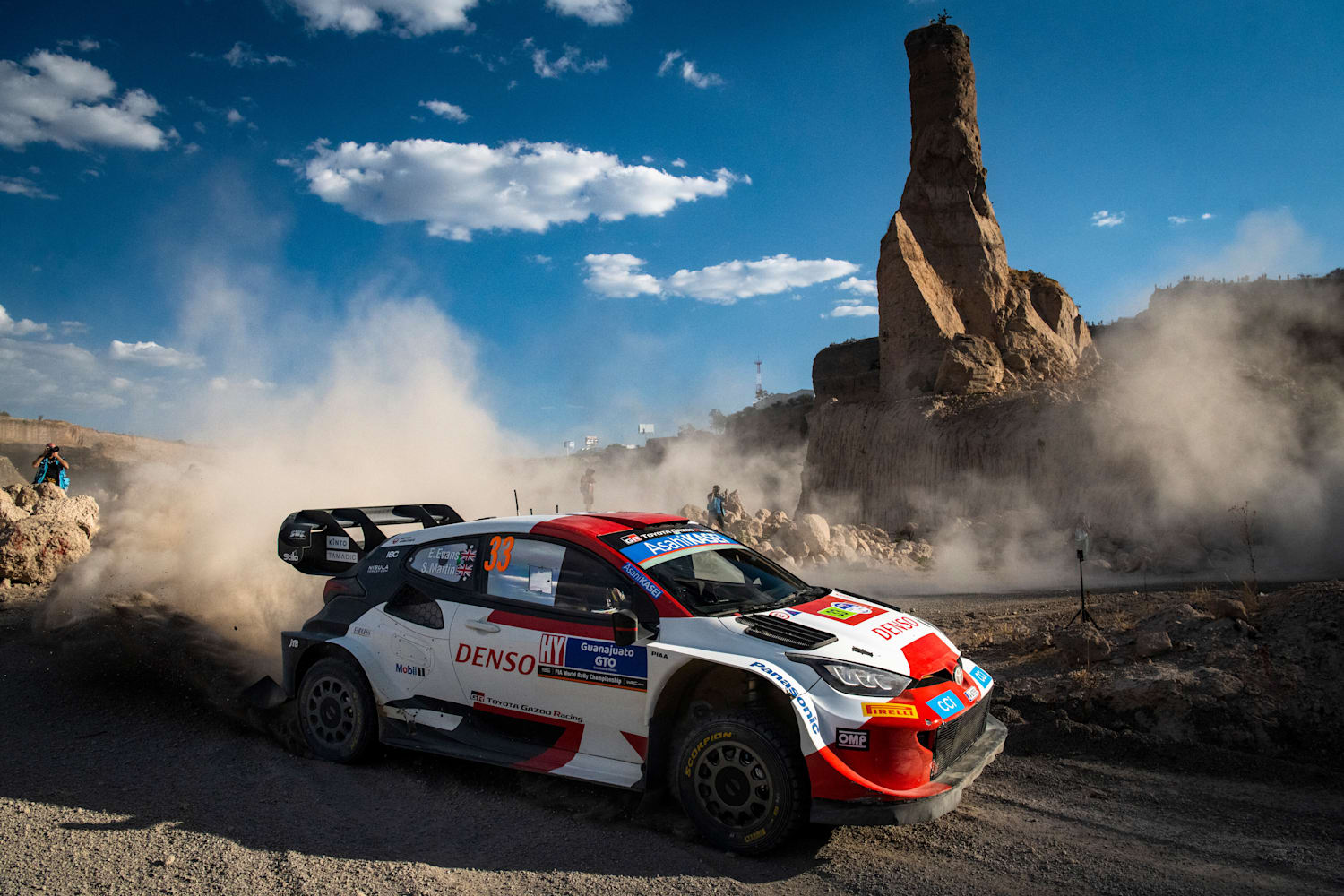
Rally racing happens on closed public roads, dirt tracks, and gravel. Vehicles like Group WRC cars must be robust, fast, and reliable.
Unlike circuit racing, rally drivers navigate mixed surfaces and unpredictable conditions.
3.7 Endurance & Prototype Race Cars <a id=”endurance”></a>
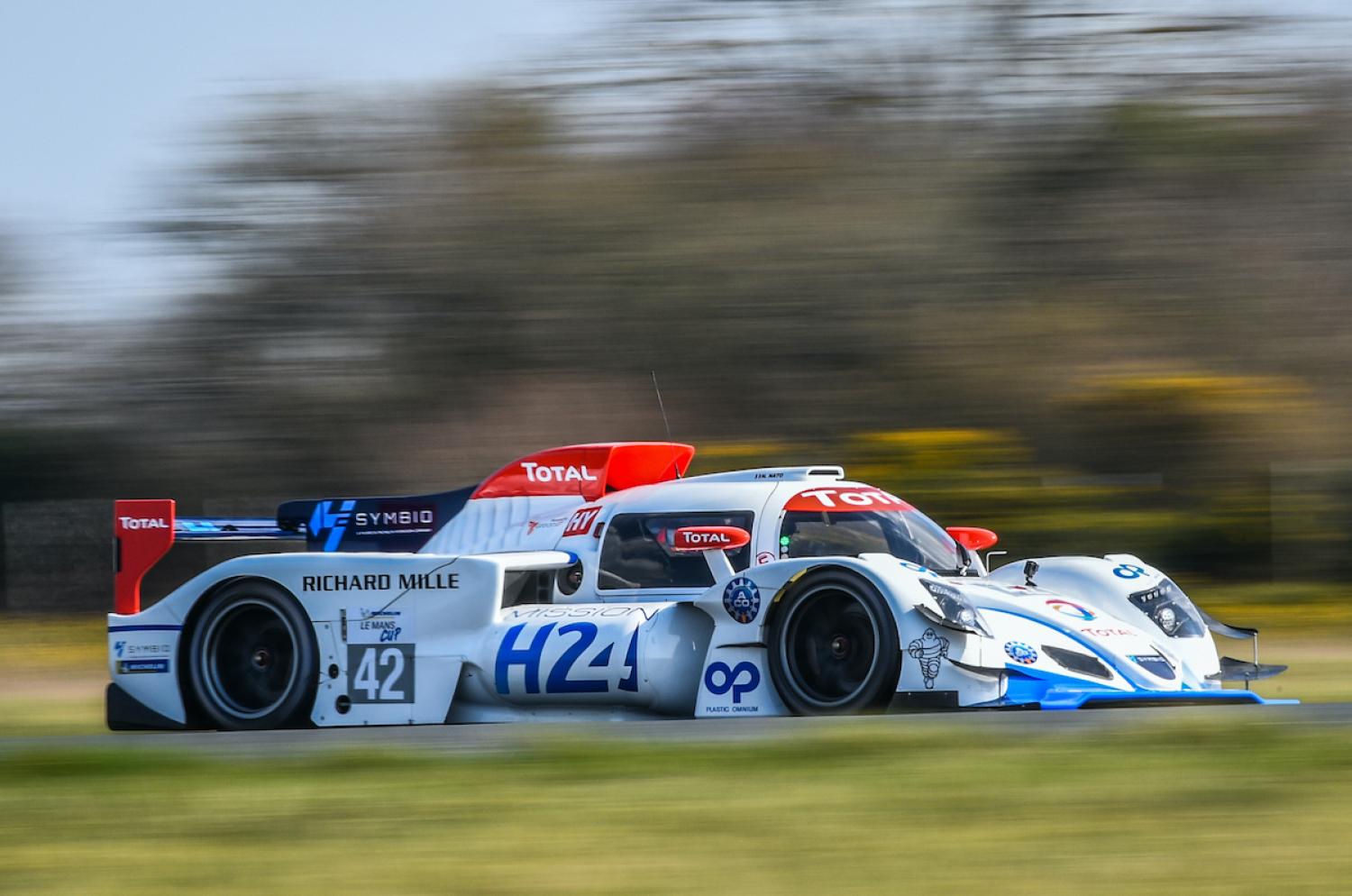
Endurance racing tests not just speed, but reliability and teamwork over 6–24 hours.Introduction to Racing Vehicles
Racing vehicles are high-performance machines designed specifically for competitive motorsports. Unlike standard road vehicles, racing vehicles prioritize speed, acceleration, handling, and durability under extreme conditions. Every component—engine, chassis, tires, aerodynamics, and electronics—is engineered to deliver maximum performance while complying with strict racing regulations.
Racing vehicles are not just about entertainment; they act as mobile laboratories where cutting-edge automotive technologies are tested before eventually reaching consumer vehicles. Innovations such as disc brakes, turbocharging, hybrid systems, and advanced safety features all originated from Motorsports.
What Makes a Vehicle a Racing Machine?
A racing vehicle differs from a road car in several fundamental ways:
Purpose-Built Design
Racing vehicles are designed for a specific type of competition—circuit racing, drag racing, rallying, or endurance racing. This specialization allows engineers to optimize performance for a particular environment.
Extreme Performance Standards
- Higher engine output
- Faster acceleration
- Superior braking capability
- Enhanced cornering grip
Lightweight Construction
Weight reduction is critical. Racing vehicles use carbon fiber, aluminum alloys, and composite materials to achieve high strength with minimal mass.
Strict Regulations
Every racing series has technical rules that dictate:
- Engine size and power limits
- Vehicle dimensions
- Safety requirements
These rules ensure fair competition and control costs.
Evolution of Racing Vehicles
Early Racing Era (1890s–1930s)
The earliest racing vehicles were modified road cars. Races tested basic reliability rather than speed. Safety was minimal, and vehicles relied on mechanical simplicity.
Post-War Innovation (1940s–1960s)
After World War II, motorsports advanced rapidly. Dedicated race cars emerged, and aerodynamics began influencing vehicle shape. Formula racing and endurance events gained global popularity.
Technology Boom (1970s–1990s)
This era introduced:
- Ground-effect aerodynamics
- Turbocharged engines
- Advanced suspension systems
- Early electronic controls
Modern Racing Era (2000s–Present)
Today’s racing vehicles feature:
- Hybrid powertrains
- Data-driven performance analysis
- Computer-aided design (CAD)
- Simulation and AI-based strategy tools
Types of Racing Vehicles
Racing vehicles are classified based on track type, competition format, and vehicle construction.
Open-Wheel Racing Vehicles
Open-wheel cars have exposed wheels and lightweight aerodynamic bodies.
Formula One (F1) Cars
Formula One represents the highest level of automotive engineering in motorsports.
Key Characteristics
- Carbon-fiber monocoque chassis
- Hybrid V6 turbo engines producing over 1,000 horsepower
- Advanced aerodynamics generating massive downforce
F1 cars can accelerate from 0–100 km/h in under 2.5 seconds and corner at forces exceeding 5G.
IndyCar Vehicles
Designed mainly for oval racing but also compete on road circuits. IndyCars emphasize:
- High straight-line speed
- Mechanical grip
- Standardized chassis to control costs
Stock Car Racing Vehicles
Stock cars are based on production models but heavily modified.
NASCAR Vehicles
Despite their road-car appearance, NASCAR vehicles are purpose-built race machines.
Features
- Steel tube-frame chassis
- Naturally aspirated V8 engines
- Rear-wheel drive configuration
Stock car racing emphasizes close competition, drafting, and driver skill.
Touring Car Racing Vehicles
Touring cars are derived from everyday sedans and hatchbacks.
Key Characteristics
- Front or rear-wheel drive
- Limited aerodynamic aids
- Relatively close performance between competitors
Touring car racing is popular due to its door-to-door action and strong connection to consumer vehicles.
Drag Racing Vehicles
Drag racing focuses on straight-line speed over short distances.
Top Fuel Dragsters
- Long, narrow chassis
- Supercharged engines producing over 11,000 horsepower
- Accelerate faster than a fighter jet
These vehicles complete a quarter-mile in less than four seconds.
Motorcycle Racing Vehicles
Motorcycle racing is one of the most physically demanding forms of motorsport.
MotoGP Bikes
- Prototype machines not available to the public
- Engines exceeding 300 horsepower
- Advanced electronics controlling traction and stability
Riders rely heavily on body positioning and balance to control the bike at extreme lean angles.
Rally Racing Vehicles
Rally cars compete on closed public roads across gravel, snow, asphalt, and dirt.
Unique Features
- All-wheel drive systems
- Reinforced suspension
- Compact, lightweight bodies
Rally racing demands both driver precision and co-driver navigation skills.
Endurance Racing Vehicles
Endurance racing tests vehicle reliability and efficiency.
Prototype and GT Cars
- Hybrid systems for fuel efficiency
- Advanced cooling solutions
- Multiple drivers per vehicle
Events like the 24 Hours of Le Mans push vehicles to their limits over long duration.
Engineering Behind Racing Vehicles
Chassis Design
The chassis must be rigid for handling yet flexible enough to absorb impacts.
Aerodynamics
Aerodynamic efficiency determines:
- Cornering speed
- Straight-line performance
- Tire wear
Engines and Powertrains
Racing engines are tuned for:
- High RPM operation
- Rapid throttle response
- Maximum thermal efficiency
Safety in Racing Vehicles
Modern racing vehicles prioritize driver safety.
Key Safety Innovations
- Crash absorption zones
- Fire-resistant materials
- Head and Neck Support (HANS) devices
- Halo and roll cage systems
These technologies have dramatically reduced fatal injuries in Motorsports.
The Future of Racing Vehicles
Electric Racing
Series like Formula E highlight the rise of electric motorsport.
Sustainable Fuels
Biofuels and synthetic fuels aim to reduce environmental impact.
Autonomous Racing
Experimental series are exploring driverless racing to push AI technology.
Conclusion
Racing vehicles represent the pinnacle of speed, engineering, and human skill. They continuously drive innovation in automotive design while thrilling millions of fans worldwide. As technology evolves, racing vehicles will remain at the forefront of performance, sustainability, and engineering excellence.
If you want, I can now:
- 🔹 Expand this into full 5000–6000 words
- 🔹 Add images with captions
- 🔹 Insert internal & external links
- 🔹 Convert it into SEO-optimized HTML
Just say the word 🏁
Get smarter responses, upload files and images, and more.
Log in
Sign up for free
Notable Series
- FIA World Endurance Championship (WEC)
- 24 Hours of Le Mans
Prototype cars blend hybrid technology with aerodynamic efficiency.
4. Key Components & Technologies <a id=”components”></a>
High-performance racing vehicles integrate advanced systems engineered for speed and control.
Chassis and Materials
- Carbon fiber monocoques
- High-strength alloys
- Lightweight composites
Electronics and Data
Modern race cars produce terabytes of data per race. Teams use this to optimize:
- Engine performance
- Tire strategies
- Aerodynamic balance
5. Aerodynamics: The Invisible Force <a id=”aerodynamics”></a>
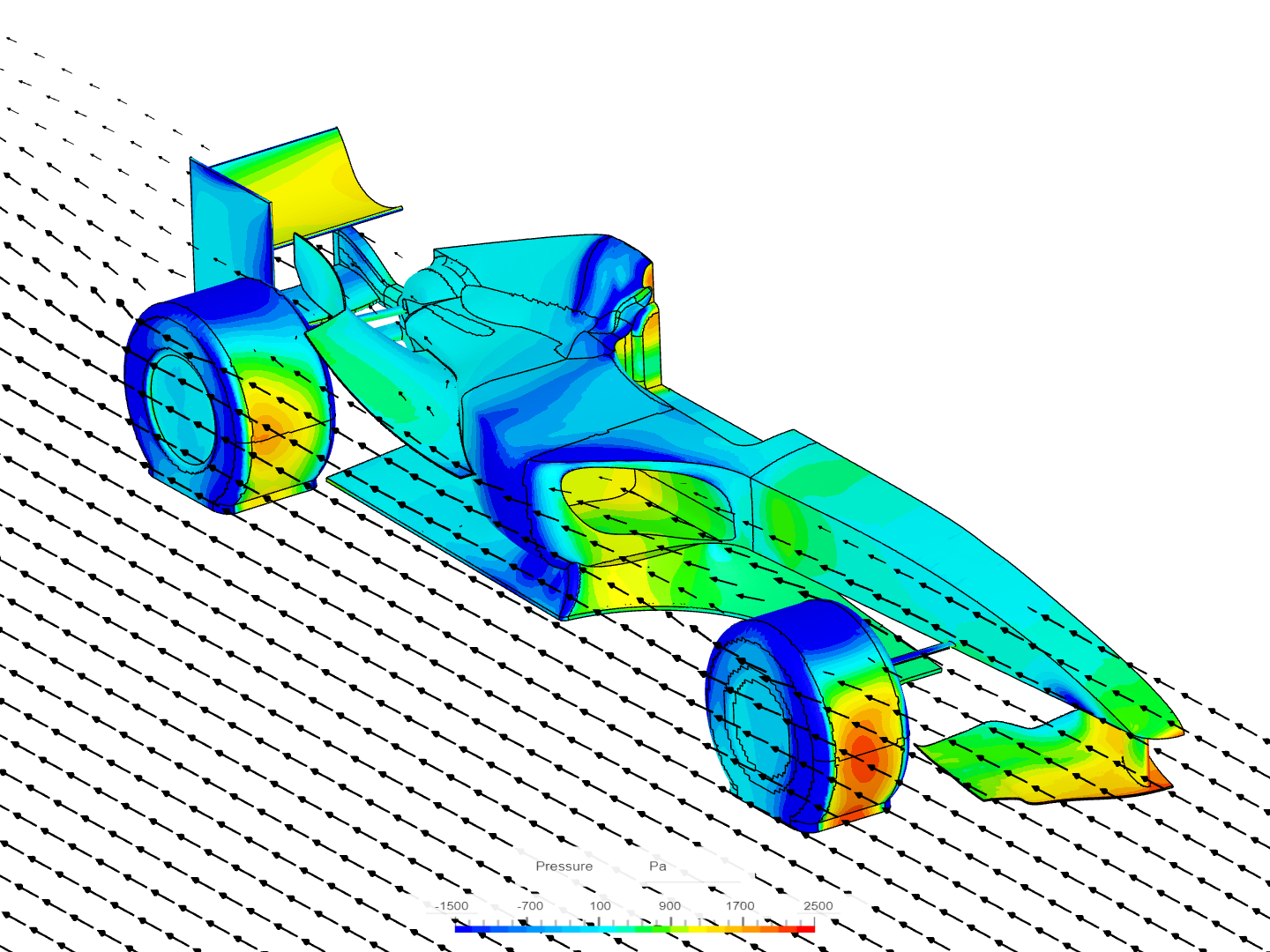
Aerodynamics define how air flows around a vehicle. In racing, two principles matter most:
Downforce
Pushes the car toward the track, increasing grip.
Drag
Air resistance that slows the vehicle down.
Designers aim to maximize downforce while minimizing drag. Tools like wind tunnels and CFD (Computational Fluid Dynamics) are essential.
6. Engines & Powertrains <a id=”powertrains”></a>
Racing engines are high-performance powerhouses.
Internal Combustion Engines (ICE)
- High-revving engines in NASCAR, touring cars, MotoGP
- Specialized fuels and tuning
Hybrid Systems
Used primarily in Formula 1 and endurance racing prototypes, combining electric motors with ICE for peak efficiency.
Electric Racing
Series like Formula E showcase fully electric powertrains.
7. Tires, Brakes & Suspension <a id=”tires-brakes”></a>
Tires
Critical for grip and handling; changes in compounds affect performance dramatically.
Brakes
Carbon-ceramic discs handle extreme heat and stopping forces.
Suspension
Adjustable systems tailor grip and balance for each track condition.
8. Safety in Racing Vehicles <a id=”safety”></a>
Safety is paramount in motorsport.
Major Safety Features
- Roll cages
- Crash structures
- HANS device (Head and Neck Support)
- Fire suppression systems
Motorsport governing bodies like the FIA enforce strict safety standards.
9. The Future of Racing Vehicles <a id=”future”></a>
Electric and Hybrid Technologies
- Formula E’s growth
- Hypercar prototype development
- EV endurance racing
Autonomous Racing
Concepts like Roborace explore self-driving competition.
Sustainability
Biofuels, synthetic fuels, and electrification aim to reduce motorsport’s carbon footprint.
10. Conclusion <a id=”conclusion”></a>
Racing vehicles represent the cutting edge of automotive innovation. From the roar of engines to the precision of aerodynamics, each class pushes the boundaries of performance.
Whether you’re a fan, engineer, or enthusiast, the world of racing vehicles offers endless depth — from history and technology to the thrill of competition.
11. References & Further Reading <a id=”references”></a>
✔ FIA – Fédération Internationale de l’Automobile
✔ Formula 1 Official Regulations
✔ MotoGP Championship Online
✔ NASCAR Official Series Guides
✔ Formula E Championship
If you want this in HTML/CSS formatted for web, or exported to WordPress/Markdown, just let me know!