Race car speeds have always fascinated motorsport fans and casual viewers alike. From Formula 1 circuits to drag racing strips, speed defines the thrill, technology, and competition behind every race. Modern race cars are engineered to push limits, combining power, aerodynamics, and precision to achieve mind-blowing velocities.
This article explores race car speeds across different racing disciplines, the technology behind them, and why speed is more than just a number.
What Determines Race Car Speeds?
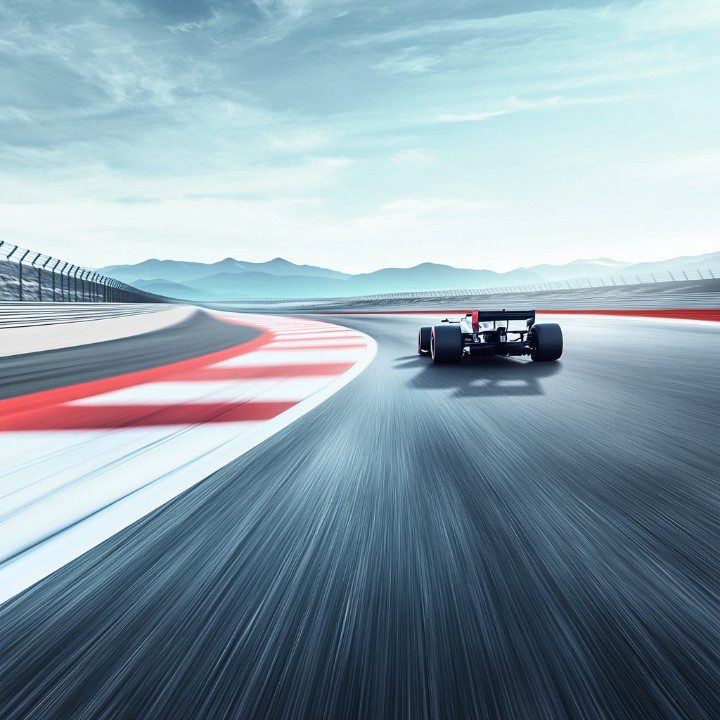
Race car speeds are influenced by several critical factors. It’s not just about engine power.
- Engine performance – Horsepower and torque directly impact acceleration and top speed
- Aerodynamics – Downforce and drag control how fast a car can safely travel
- Track design – Straightaways allow higher speeds than tight circuits
- Vehicle weight – Lighter cars accelerate faster
- Tire grip – Traction determines how much speed can be maintained in corners
All these elements work together to define how fast a race car can go
Formula 1 Race Car Speeds
Formula 1 represents the pinnacle of motorsport engineering. These cars are designed for maximum efficiency and speed on road circuits.
- Top speed: Around 230–240 mph (370–386 km/h)
- Cornering speed: Over 180 mph on high-speed turns
- 0–60 mph: Under 2.5 seconds
F1 race car speeds are limited by regulations to keep competition fair and improve safety, yet they remain among the fastest circuit-racing cars in the world.
NASCAR Race Car Speeds
NASCAR focuses on close racing and oval tracks, where consistency and drafting play a huge role.
- Top speed: 190–200 mph
- Average race speed: 160–180 mph
- Acceleration: Slower than F1 but extremely stable
NASCAR race car speeds shine on superspeedways, where drivers maintain high velocity for long periods while racing inches apart.https://speedsrun.online/formula-one-car-engineering-marvel
Drag Racing and Extreme Speeds
When it comes to raw, straight-line speed, drag racing dominates.
- Top Fuel dragsters: Over 330 mph
- 0–100 mph: Less than 1 second
- Quarter mile time: Around 3.6 seconds
These race car speeds are unmatched, but they only last a few seconds. The extreme acceleration places massive stress on both the car and driver.
Le Mans and Endurance Racing Speeds
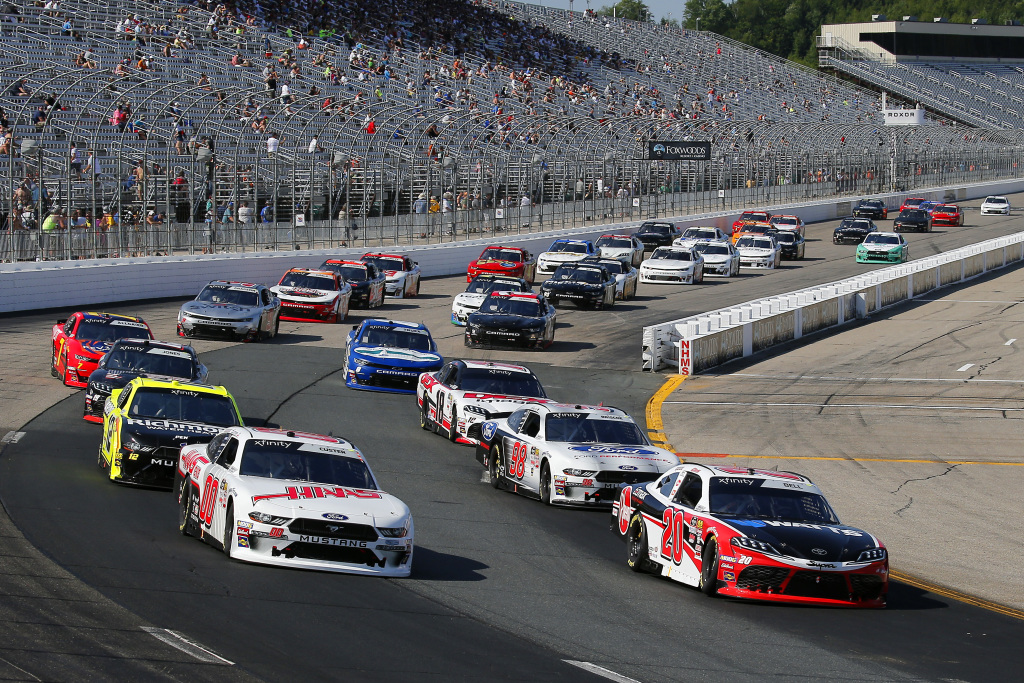
Endurance racing balances speed with reliability. Cars must perform at high speeds for hours or even days.
- Top speed: 210–220 mph
- Average speed: Lower due to traffic and strategy
- Race duration: Up to 24 hours
Here, race car speeds are carefully managed to preserve tires, fuel, and engine life.
Electric Race Car Speeds
Electric racing has changed perceptions about speed and performance.
- Formula E top speed: Around 200 mph
- Instant torque: Faster acceleration off corners
- Energy management: Crucial for race strategy
As battery technology improves, electric race car speeds continue to close the gap with traditional combustion engines.\
How Aerodynamics Impact Race Car Speeds
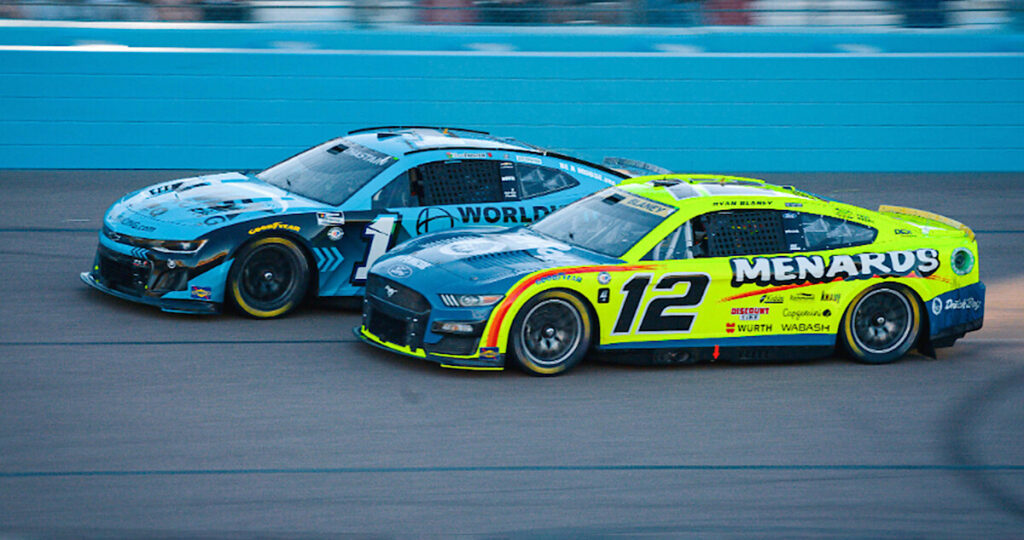
Aerodynamics play a vital role in modern racing.
- Downforce increases grip but reduces top speed
- Low drag setups improve straight-line speed
- Active aero systems adjust performance in real time
The balance between speed and control is what allows race cars to maintain extreme velocities safely.
Safety Limits on Race Car Speeds
While speed is exciting, safety regulations exist to protect drivers and fans.
- Speed restrictors
- Track-specific limits
- Advanced crash protection systems
Without these measures, race car speeds would be far more dangerous, even with modern technology.
The Future of Race Car Speeds
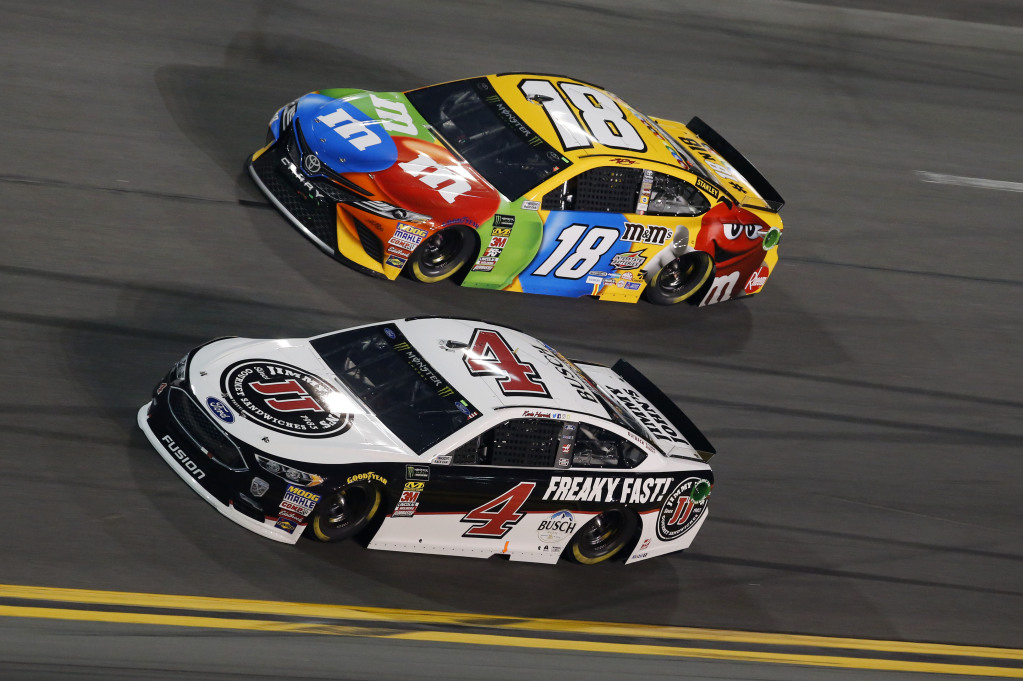
The future points toward smarter speed, not just faster cars.
- Hybrid and electric power trains
- AI-assisted performance tuning
- Sustainable fuels
Race car speeds will continue to increase, but efficiency, safety, and sustainability will shape the next generation of racing. Effective Strategies for Using AI Successfully.