
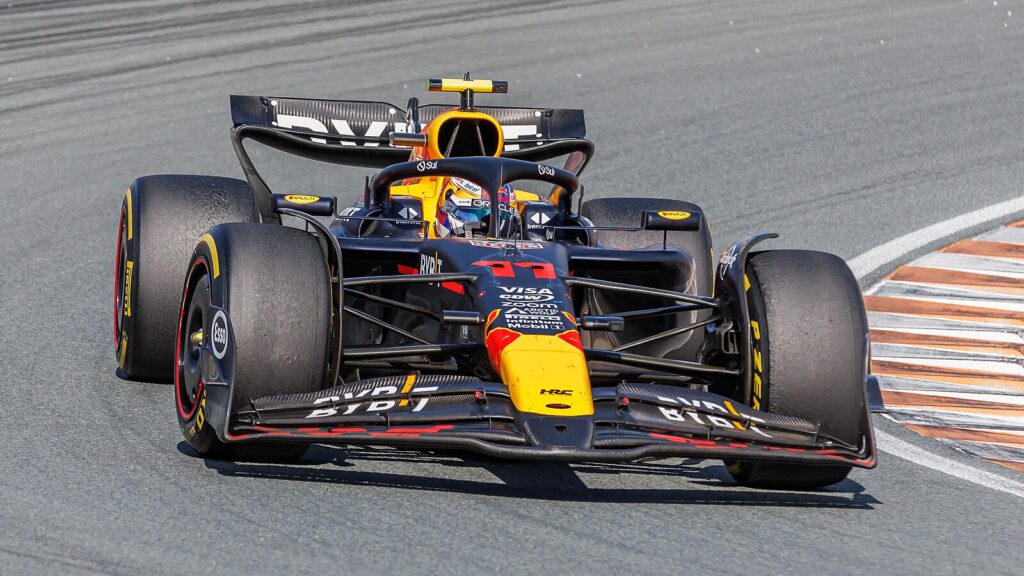
A Formula One car is more than just a racing vehicle—it is a perfect blend of speed, innovation, and precision engineering. Designed to perform at extreme limits, these cars represent the peak of automotive technology and competitive motorsport. Every season, Formula One cars evolve to become faster, safer, and more efficient.
What Is a Formula One Car?
A Formula One car is a single-seater, open-wheel racing car built specifically for the FIA Formula One World Championship. These cars follow strict technical regulations that control everything from engine design to aerodynamics, ensuring fair competition while encouraging innovation.
Advanced Aerodynamic Design
Aerodynamics play a crucial role in the performance of a Formula One car. The front wing, rear wing, floor, and diffuser are carefully designed to generate downforce. This downforce helps the car stay glued to the track at high speeds, allowing drivers to corner faster without losing control.
Powerful Hybrid Engine Technology

Modern Formula One cars use hybrid power units that combine a turbocharged V6 engine with advanced energy recovery systems. These systems capture energy from braking and exhaust heat, converting it into additional power. This technology not only boosts performance but also improves fuel efficiency.
Lightweight Carbon Fiber Chassis
The chassis of a Formula One car is made from carbon fiber composites, making it incredibly strong yet lightweight. This structure, known as the monocoque, is designed to protect the driver during high-speed crashes while maintaining maximum rigidity for performance.
Precision Gearbox and Transmission
Formula One cars use an eight-speed semi-automatic gearbox controlled by paddle shifters. Gear changes happen in milliseconds, ensuring uninterrupted power delivery. This advanced transmission system allows drivers to focus fully on racing without manual clutch operation.
Tire Technology and Grip
Tires are one of the most critical components of a Formula One car. Teams use specially designed slick or wet tires depending on track conditions. Tire management plays a key role in race strategy, as grip levels and degradation can significantly impact lap times.
Advanced Electronics and Data Systems
A Formula One car is packed with sensors and electronic systems that monitor performance in real time. Engineers analyze massive amounts of data during races to optimize engine settings, tire usage, and aerodynamics. This data-driven approach gives teams a competitive edge.
Safety Features in Formula One Cars
Safety is a top priority in Formula One. Modern cars include the halo device, advanced crash structures, fire-resistant materials, and strict safety testing. These features have dramatically improved driver protection without compromising performance.
Continuous Innovation and Development

Every Formula One season brings new upgrades. Teams constantly develop better aerodynamics, improved power units, and smarter race strategies. This relentless innovation keeps Formula One at the forefront of motorsport and automotive engineering.
Why Formula One Cars Are Unique
What makes a Formula One car truly special is its ability to combine extreme speed with cutting-edge technology. No other racing machine operates at such high levels of precision, performance, and innovation. Each car is a result of thousands of hours of research, testing, and engineering expertise.
One of the key factors that sets a Formula One car apart is its unmatched precision. Components are manufactured to tolerances measured in microns, ensuring perfect balance and aerodynamic efficiency. Even the smallest design change can have a measurable impact on lap times, which is why teams invest heavily in simulation, wind tunnel testing, and computational fluid dynamics.
Another reason Formula One cars stand out is their continuous innovation. Teams redesign and upgrade their cars throughout the season, sometimes introducing new parts for a single race. Technologies developed for Formula One—such as hybrid power systems, advanced materials, and energy recovery methods—often influence future road car development, making Formula One a real-world laboratory for the automotive industry.
The human-machine connection also plays a major role in their uniqueness. Formula One cars are not just fast; they are built to respond instantly to driver input. Steering, braking, and acceleration happen with extreme sensitivity, allowing drivers to push the car to its limits while maintaining control at speeds exceeding 300 km/h.
Finally, what truly makes Formula One cars exceptional is the scale of expertise behind them. Thousands of engineers, designers, and data analysts work together to extract the smallest possible advantage. This level of collaboration, combined with relentless competition, ensures that Formula One cars remain the most advanced and sophisticated racing machines in the world.
A Formula One car is the ultimate expression of speed, science, and skill. From its aerodynamic design to its hybrid engine technology, every component is engineered for excellence. As Formula One continues to evolve, these cars will remain symbols of technological advancement and racing passion.