Racing on a brand-new track surface may sound like an ideal scenario for drivers and teams—smooth asphalt, pristine grip levels, and no potholes or cracks. However, in motorsport, “new” does not always mean “easy.” Freshly resurfaced circuits present a unique set of challenges that often catch drivers, engineers, and even event organizers off guard. From unpredictable grip levels to rapid track evolution and strategic uncertainties, new asphalt can dramatically reshape a race weekend.
In this article, we explore the key challenges associated with competing on a newly resurfaced racetrack in Racing, why these issues occur, and how teams adapt to conditions that may change by the minute.
1. Understanding How Fresh Asphalt Behaves
Before diving into specific problems, it’s important to understand what makes new asphalt fundamentally different from a mature racing surface.
Fresh Bitumen and Loose Aggregate
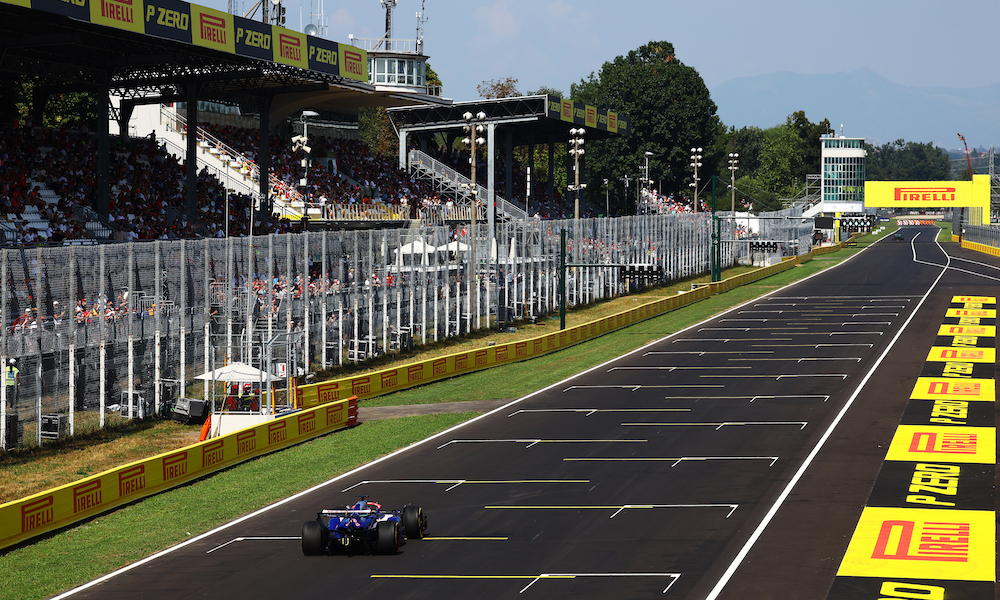
A new circuit surface contains high levels of bitumen—the binding agent that holds asphalt together. Early in its life, this bitumen is more active, creating an oily layer on the surface of Racing. At the same time, loose stones or aggregate that haven’t yet embedded fully into the asphalt can sit on top, reducing grip.
Absence of Rubber
Established racing surfaces have been conditioned by years of tire rubber laid down by different racing series. New tracks, by contrast, start with a clean, almost glassy surface that can feel slippery until significant rubber is deposited.
These basic physical differences are at the root of nearly every challenge drivers face.
2. Unpredictable Grip Levels Throughout the Weekend
Slippery First Sessions
Drivers often describe the opening practice session on a new surface as like “driving on ice.” The lack of embedded rubber combined with excess oils reduces traction significantly. Racing Cars may struggle with:
- Longer braking distances
- Unstable corner entry
- Sudden mid-corner slides
- Poor acceleration out of turns
This instability means drivers must spend much of early practice simply learning how the track behaves rather than optimizing performance.
Rapid Track Evolution
One of the biggest variables on fresh asphalt is how dramatically grip improves as the weekend goes on. As more cars turn laps, the surface evolves rapidly. A corner that felt greasy during morning practice can feel completely different by afternoon qualifying.
This puts pressure on teams to:
- Predict how the surface will change
- Adjust tire pressures and compounds accordingly
- Update setup parameters like downforce and suspension settings
A miscalculation can cost valuable grid positions.
3. Tire Behavior on New Surfaces
Inconsistent Tire Degradation
Tires respond unpredictably to new asphalt. Sometimes the surface is abrasive and causes high wear; other times the bitumen-rich layer can cause tires to overheat and degrade quickly. Engineers must scramble to understand:
- How long each compound can last
- Whether tire warm-up will be slow or instantaneous
- If a multi-stop strategy is more advantageous
These variables can flip conventional strategy on its head. What should have been a one-stop race can suddenly become a tire management challenge.
Limited Historical Data
Teams heavily rely on historical data to plan tire strategy. On a brand-new track surface of Racing, that data doesn’t exist. Instead, engineers must work from scratch, making educated guesses based only on practice sessions of Racing. If weather changes or rubber gets washed away, those guesses can become invalid overnight.
4. Weather Sensitivity of New Asphalt
Rain Intensifies the Challenge
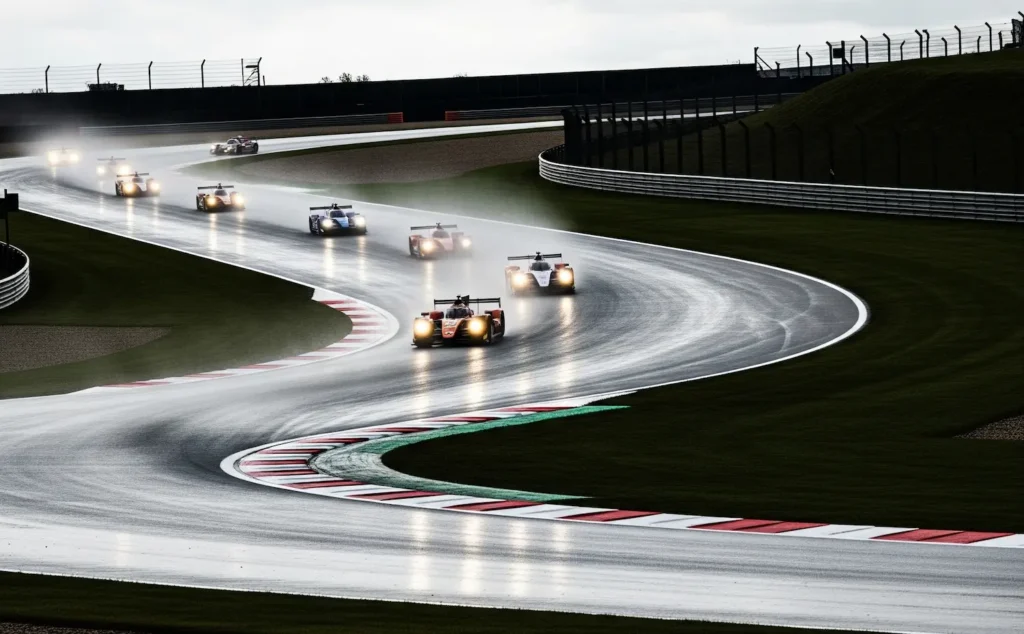
Fresh asphalt repels water differently than older surfaces. The oils can rise to the top of the surface during light rain, creating a particularly slick layer, while deeper puddles may form due to temporary imperfections in drainage.
In wet conditions, new surfaces often have:
- Very low mechanical grip
- Poor water displacement
- Longer drying times
This can produce chaotic racing conditions where drivers struggle simply to keep their cars pointed in the right direction.
Heat and Temperature Variations
New asphalt reacts more strongly to heat. Because the bitumen is fresh and dark, it absorbs more sunlight, causing dramatic temperature swings. Teams must adapt to:
- Rapid changes in track temperature
- Shifts in optimal tire pressure
- Variations in downforce effectiveness
Cars may behave entirely differently from one session to the next, even if air temperature stays relatively constant.
5. Car Setup Challenges
Suspension and Ride Height Adjustments
New surfaces are generally smoother, which allows teams to run lower ride heights for better aerodynamic performance. However, this introduces the risk of:
- Bottoming out on minor bumps
- Damaging the underfloor of the car
- Compromising stability in high-speed corners
Finding the perfect balance requires extensive trial and error.
Aerodynamic Balance
As grip increases across a race weekend, aerodynamic balance may shift unexpectedly. Engineers must constantly tweak:
- Front and rear wing angles
- Diffuser settings
- Brake bias
- Electronic assists (where applicable)
Because the track evolves so quickly, setup goals on Friday might be irrelevant by Sunday morning.
6. Driver Adaptation and Learning Curve
Relearning Braking Points
On a new surface, braking zones can change from lap to lap. Drivers must continually reevaluate:
- When to brake
- How hard to brake
- How much steering input to combine with braking
Early errors can lead to flat-spotted tires or lost confidence.
Trusting the Car
One of the toughest mental challenges is learning to trust grip that is constantly improving. Drivers must push the limits without overstepping them—a delicate balance when every lap can be faster than the last.
Mastering Corner Speeds
High-speed corners on new asphalt are especially tricky. Slight variations in grip can lead to understeer or sudden snap oversteer, forcing drivers to stay extremely alert and flexible in their driving style.
7. Impact on Race Strategy
Pit Stop Timing
If teams misjudge how the surface will evolve, pit stops can become more frequent or poorly timed. A car that seems comfortable on its tires during practice may suddenly encounter unexpected wear during the race.
Fuel Management
Drivers may need to modify their fuel consumption based on tire grip and lap times. Faster laps often require more fuel, while poor grip may force drivers to lift and coast, affecting overall race pace.
Qualifying vs. Race Trim
A track surface that evolves dramatically can make qualifying unrepresentative. Cars that excel on a rubbered-in track during qualifying may struggle in the opening laps of the race before the surface reaches optimal grip conditions again.
8. Safety Concerns on New Track Surfaces
Higher Risk of Accidents
When drivers are unsure how the car will react, mistakes multiply. Turn-in points, braking distances, and corner exits all become less predictable, raising the risk of spins and collisions.
Marbles and Loose Asphalt
Fresh surfaces may shed small pieces of loose aggregate—known as marbles—which accumulate off the racing line. If a driver ventures onto these, grip disappears instantly.
Variable Grip Across the Track
Different sections of newly resurfaced tracks may cure at different rates. One corner might be stable, while the next is unexpectedly slick, catching drivers off guard.
A New Surface Brings Opportunity and Uncertainty
Racing on a brand-new track surface introduces an extraordinary blend of excitement and unpredictability. Drivers must adapt their technique, engineers must rethink strategy, and teams must prepare for constant change throughout the weekend. While new asphalt promises smoothness and modern engineering, it also serves as a reminder that motorsport remains a dynamic sport where variables can shift rapidly.
In the end, adapting to a fresh track surface becomes a test of skill, intelligence, and teamwork. Those who learn the fastest often emerge with a competitive edge, proving that in racing, the unknown can be both a challenge and an opportunity.
Fans can follow updates, live streams, and track maps on SpeedsRun Online and affiliated social media channels.