By speedsrun.online — a look back at the duels, Fierce Rivalries the circuits, and the moments that defined an era. Each rivalry includes further reading and a map so you can visit the tracks that bore witness to these epic battles.
Senna vs Prost — The Psychological War That Redefined F1
Ayrton Senna and Alain Prost weren’t just battling for wins — they were fighting for supremacy of driving philosophy. Senna’s raw aggression and Prost’s calculated precision collided across numerous seasons, with Suzuka and Monaco hosting the most explosive chapters. Their clashes (on and off the track) elevated public fascination with Formula 1 and helped turn the sport into a global spectacle.
Further reading: Prost–Senna rivalry — Wikipedia | Key race: 1989 Japanese Grand Prix — race report.
Map (Suzuka): Suzuka Circuit (Google Maps) | Internal: /rivalries/senna-prost
Hunt vs Lauda — Redemption, Risk and the 1976 Season
The 1976 duel between James Hunt and Niki Lauda combined human drama and on-track courage. Lauda’s near-fatal crash, miraculous recovery, and Hunt’s relentless pursuit created a season-long soap opera that culminated at Fuji — a rivalry that pulled new audiences into motorsport and deepened fans’ emotional investment.
Further reading: 1976 Formula One season — Wikipedia | Race highlight: 1976 Japanese GP (Fuji).
Map (Fuji Speedway): Fuji Speedway (Google Maps) | Internal: /rivalries/hunt-lauda
Fangio vs Ascari — The Pioneers Who Forged Grand Prix Glory
In Formula 1’s earliest years, Juan Manuel Fangio and Alberto Ascari personified the proto-era of Grand Prix heroics. Their battles across Monza, Silverstone and Monaco combined mechanical bravery and driver skill at a time when the sport’s risks and spectacle captured headlines and imagination — helping spark what many call motorsport’s first golden age.
Further reading: Juan Manuel Fangio — Wikipedia | Alberto Ascari — Wikipedia.
Map (Monza): Autodromo Nazionale Monza (Google Maps) | Internal: /rivalries/fangio-ascari
Clark vs Hill — The British Masters and the Rise of Modern Racecraft
Jim Clark and Graham Hill were two contrasting British champions — Clark’s sublime smoothness versus Hill’s tactical tenacity. Their battles in the 1960s at circuits like Spa and Monaco showcased driving artistry and mechanical innovation, influencing a generation of racers and fans alike.
Further reading: Jim Clark — Wikipedia | Graham Hill — Wikipedia.
Map (Spa-Francorchamps): Spa-Francorchamps (Google Maps) | Internal: /rivalries/clark-hill
Moss vs Fangio — Gentleman Racer vs The Master
Stirling Moss — often called the greatest driver never to win a title — and Juan Manuel Fangio produced classic duels in the 1950s. Moss’s daring, wheel-to-wheel style vs. Fangio’s methodical genius created on-track theatre that drew large crowds and media attention, helping broaden motorsport’s appeal internationally.
Further reading: Stirling Moss — Wikipedia | Juan Manuel Fangio — Wikipedia.
Map (Silverstone): Silverstone Circuit (Google Maps) | Internal: /rivalries/moss-fangio
Villeneuve vs Arnoux — Dijon’s Sensation of Side-by-Side Combat
Gilles Villeneuve and René Arnoux produced one of the most celebrated wheel-to-wheel duels at the 1979 French Grand Prix (Dijon-Prenois). That bout — fearless, physical, and repeated over several laps — captured the raw essence of racing and inspired fans with its spectacle, contributing to an era when driver bravery was front-page news.
Further reading: 1979 French Grand Prix — Wikipedia.
Map (Dijon-Prenois): Dijon-Prenois (Google Maps) | Internal: /rivalries/villeneuve-arnoux
Mansell vs Piquet — Teammates and Tit-for-Tat Tensions
Nigel Mansell and Nelson Piquet’s intra-team rivalry at Williams in the mid-1980s combined blistering pace with psychological warfare. Their clashes—on and off the circuit—showcased how team dynamics, personality clashes, and raw talent can combine to produce headline-grabbing antagonism that fuels spectator interest.
Further reading: Nigel Mansell — Wikipedia | Nelson Piquet — Wikipedia.
Map (Silverstone): Silverstone Circuit (Google Maps) | Internal: /rivalries/mansell-piquet
Lauda vs Prost — Tactical Minds in an Evolving Sport
Niki Lauda and Alain Prost shared a cerebral approach to racing — precision, set-up mastery and mental acuity — which produced duels that rewarded tactical thinking as much as speed. Their rivalry helped shift public appreciation toward the technical and strategic side of motorsport during a period of rapid technological change.
Further reading: Niki Lauda — Wikipedia | Alain Prost — Wikipedia.
Map (Monza): Autodromo Nazionale Monza (Google Maps) | Internal: /rivalries/lauda-prost
Hamilton vs Rosberg — A Modern Teamroom Firestorm
Lewis Hamilton and Nico Rosberg’s battles inside Mercedes are an example of how modern team rivalries can be intensely public and press-fueled. Wheel-to-wheel incidents, strategic one-upmanship and career-defining championship outcomes made their clashes compelling for both long-time fans and a new, global audience — proving that fierce rivalries still ignite interest in contemporary eras.
Further reading: Lewis Hamilton — Wikipedia | Nico Rosberg — Wikipedia.
Map (Yas Marina): Yas Marina Circuit (Google Maps) | Internal: /rivalries/hamilton-rosberg
Want more? We can expand any rivalry into a long-form deep dive with race-by-race timelines, embedded highlight clips, and downloadable infographics — visit /contact or explore our /features section.
External links open in a new tab. Internal links are suggested slugs — update them to match your site’s URL structure.
Vettel vs Webber — “Multi 21” and the Red Bull Civil War
The partnership between Sebastian Vettel and Mark Webber at Red Bull Racing looked unbeatable on paper — until team orders, competitive pride, and a single radio code (“Multi 21”) tore it apart. Their tense 2010–2013 seasons defined a new generation of intra-team rivalries and exposed the human drama inside modern F1.
Read more: Sebastian Vettel — Wikipedia | Mark Webber — Wikipedia
Map: Sepang International Circuit (Google Maps) | Internal: /rivalries/vettel-webber
Schumacher vs Häkkinen — Perfection vs Precision
The late-1990s rivalry between Michael Schumacher and Mika Häkkinen symbolized an age of technical brilliance. Their 2000 Belgian Grand Prix duel at Spa, with Häkkinen’s legendary overtake on the Kemmel Straight, remains a benchmark of skill and courage.
Further reading: Michael Schumacher | Mika Häkkinen
Map: Spa-Francorchamps (Google Maps) | Internal: /rivalries/schumacher-hakkinen
Vettel vs Alonso — The Tactical Chess Match of the 2010s
Between 2010 and 2013, Sebastian Vettel and Fernando Alonso engaged in one of Formula 1’s most strategic rivalries. Ferrari and Red Bull locked horns in an era dominated by tire management, pit strategy, and relentless consistency, culminating in the breathtaking 2012 title fight at Interlagos.
Official race archive: 2012 Brazilian Grand Prix
Map: Interlagos (Google Maps) | Internal: /rivalries/vettel-alonso
Rossi vs Lorenzo — Yamaha Teammates Turned Nemeses
MotoGP’s golden duo, Valentino Rossi and Jorge Lorenzo, pushed each other to the limit from 2008 to 2016. Their rivalry mixed talent with ego and loyalty with friction, producing unforgettable showdowns at circuits like Sepang and Valencia that defined the modern MotoGP era.
Watch highlights: 2015 MotoGP Title Finale
Map: Valencia Circuit (Google Maps) | Internal: /rivalries/rossi-lorenzo
Andretti vs Fittipaldi — America Meets Brazil in 1970s F1
Mario Andretti and Emerson Fittipaldi were ambassadors of different continents whose rivalry brought global attention to Formula 1. Their contrasting styles — Andretti’s bold aggression and Fittipaldi’s smooth control — made the 1970s one of the most competitive eras in open-wheel racing.
Learn more: Emerson Fittipaldi | Mario Andretti
Map: Watkins Glen International (Google Maps) | Internal: /rivalries/andretti-fittipaldi
Jeff Gordon vs Dale Earnhardt Sr. — The NASCAR Generational Shift
In 1990s NASCAR, the rivalry between Jeff Gordon and Dale Earnhardt Sr. represented old-school grit versus modern polish. Their duels at Daytona, Bristol, and Talladega became cultural milestones that redefined American stock-car racing’s identity and fanbase.
NASCAR feature: NASCAR News
Map: Daytona International Speedway (Google Maps) | Internal: /rivalries/gordon-earnhardt
Hamilton vs Verstappen — The New-Age Epic
The 2021 Formula 1 season delivered one of the sport’s most electrifying rivalries between Lewis Hamilton and Max Verstappen. Their wheel-to-wheel duels from Silverstone to Abu Dhabi epitomized the intensity of modern F1, culminating in a finale still debated by fans and pundits alike.
Race summary: 2021 Abu Dhabi Grand Prix
Map: Yas Marina Circuit (Google Maps) | Internal: /rivalries/hamilton-verstappen
Toyota vs Porsche — Endurance Titans at Le Mans
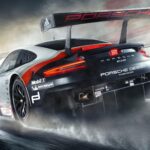
Endurance racing’s modern titans, Toyota Gazoo Racing and Porsche LMP Team, have staged battles that test not only speed but mechanical endurance and precision. Their fights in the 2010s revived global fascination with the 24 Hours of Le Mans, where heartbreak and triumph can swap places in the final minutes.
Le Mans resource: 24 Heures du Mans Official Site
Map: Circuit de la Sarthe (Google Maps) | Internal: /rivalries/toyota-porsche
Ford vs Ferrari — Industrial Pride and 24-Hour Glory
The 1960s showdown between Ford and Ferrari at Le Mans transcended motorsport — it was a clash of nations, egos, and engineering philosophies. Ford’s GT40 project ultimately dethroned Ferrari, igniting an era where manufacturers raced for both speed and honor.
Documentary: Ford v Ferrari (Wikipedia)
Map: Le Mans (Google Maps) | Internal: /rivalries/ford-ferrari
Prost vs Piquet — Tacticians of the Turbo Era
Alain Prost and Nelson Piquet ruled Formula 1’s turbocharged 1980s, representing two of the sharpest minds ever to grip a steering wheel. Prost’s methodical, cerebral approach often clashed with Piquet’s mechanical intuition and psychological warfare, producing duels that defined the art of racing intelligence. Their rivalry wasn’t as bitter as others, but it was a masterclass in strategic brilliance.
Reference: Nelson Piquet | Alain Prost
Map: Hockenheimring (Google Maps) | Internal: /rivalries/prost-piquet
Mansell vs Piquet — Teammates Torn Apart at Williams
In 1986, Williams had a dream lineup — Nigel Mansell and Nelson Piquet. What followed was a year of extraordinary tension, speed, and psychological warfare. Mansell’s raw aggression clashed violently with Piquet’s cunning and political mastery. Their rivalry produced unforgettable drama, such as their side-by-side battle down the Hangar Straight at Silverstone, a true image of F1’s gladiatorial nature.
Race archive: 1986 British GP
Map: Silverstone Circuit | Internal: /rivalries/mansell-piquet
Button vs Hamilton — The Battle for Brains and Bravery
When Jenson Button joined Lewis Hamilton at McLaren in 2010, many predicted Hamilton’s youth would dominate. Instead, Button used his intelligence and adaptability to challenge the raw pace of his teammate, creating a fascinating dynamic. From tire strategy masterstrokes to qualifying heroics, their partnership balanced respect and rivalry in perfect proportion.
More on: McLaren Formula 1 Team
Map: Circuit de Monaco | Internal: /rivalries/button-hamilton
Rosberg vs Hamilton — Brothers in Arms Turned Enemies
Nico Rosberg and Lewis Hamilton grew up as childhood friends and karting teammates. When both found themselves at Mercedes in the hybrid era, their relationship imploded under the pressure of championship ambitions. From Monaco’s qualifying controversies to wheel-banging in Austria, their rivalry was fierce, personal, and unfiltered — culminating in Rosberg’s shock retirement after winning the 2016 title.
Article: Formula 1 Official News
Map: Red Bull Ring (Google Maps) | Internal: /rivalries/rosberg-hamilton
Villeneuve vs Arnoux — Dijon’s Eternal Duel
The 1979 French Grand Prix between Gilles Villeneuve and René Arnoux remains one of the most breathtaking racing battles in history. The two cars collided, locked wheels, and swapped positions multiple times in an unfiltered display of pure, fearless driving — an embodiment of the sport’s raw soul.
Watch clip: Villeneuve vs Arnoux 1979 (YouTube)
Map: Dijon-Prenois Circuit | Internal: /rivalries/villeneuve-arnoux
Rossi vs Márquez — Respect Shattered on Two Wheels
What started as mutual admiration between Valentino Rossi and Marc Márquez evolved into one of MotoGP’s most polarizing rivalries. The infamous 2015 Sepang incident, where Rossi and Márquez tangled, split the sport’s fanbase in half. Each subsequent race became a psychological war fought at over 200 mph — a fierce chapter in motorcycle racing history.
Watch analysis: MotoGP Video Highlights
Map: Sepang Circuit (Google Maps) | Internal: /rivalries/rossi-marquez
Montoya vs Schumacher — Fearless Youth Challenges the King
Juan Pablo Montoya’s arrival in Formula 1 brought a bold, no-compromise driving style that clashed directly with Michael Schumacher’s dominance. Their wheel-to-wheel fights, especially in Brazil and Monza, were charged with aggression, flair, and controversy — showcasing the fiery passion of a challenger unafraid of the reigning monarch.
Read: Juan Pablo Montoya
Map: Monza Circuit | Internal: /rivalries/montoya-schumacher
Andretti vs Peterson — Friendship on the Edge
Mario Andretti and Ronnie Peterson shared mutual admiration, but their rivalry at Lotus during the late 1970s was tinged with emotional complexity. Peterson often had to play the loyal second driver despite having the pace to fight for victories, a situation that tested loyalty and friendship under the spotlight of F1’s most glamorous years.
Historical source: Motorsport Magazine Archive
Map: Monza, Italy | Internal: /rivalries/andretti-peterson
Lauda vs Hunt — Fire, Friendship, and Ferocity
Perhaps no rivalry captured the spirit of racing better than Niki Lauda and James Hunt in 1976. Their story went beyond competition — it embodied risk, survival, and humanity. Lauda’s fiery crash and miraculous comeback, contrasted with Hunt’s hedonistic swagger, created one of sport’s greatest dramas, immortalized in film and memory.
Learn more: Rush (2013 Film)
Map: Nürburgring (Google Maps) | Internal: /rivalries/lauda-hunt
McLaren vs Ferrari — The Eternal F1 Constructor War
McLaren and Ferrari have been at each other’s throats since the dawn of Formula 1. From Senna’s dominance to Schumacher’s red era, every decade brings new layers to this rivalry. Their battles span drivers, engines, and ideology — British precision versus Italian passion — a duel that still fuels the soul of racing.
Official sources: McLaren Official | Ferrari F1
Map: Maranello, Italy | Internal: /rivalries/mclaren-ferrari
Frequently Asked Questions About Fierce Rivalries in Racing
What defines Fierce Rivalries in motorsport?
Fierce Rivalries are born when two competitors push each other to extraordinary limits, transforming simple races into legendary duels that define entire eras of motorsport.
Why are Fierce Rivalries so memorable in racing history?
They combine raw emotion, skill, and storytelling — creating moments fans can’t forget. From Senna vs Prost to Hamilton vs Verstappen, Fierce Rivalries make history come alive.
Which Fierce Rivalries shaped Formula 1’s golden age?
Rivalries such as Lauda vs Hunt, Prost vs Senna, and Schumacher vs Häkkinen were central to F1’s golden age, blending technology, danger, and human drama.
How do Fierce Rivalries influence driver performance?
Rivalries push drivers to exceed their limits. Fierce Rivalries often lead to record-breaking laps, daring overtakes, and tactical brilliance under pressure.
Are Fierce Rivalries always between two drivers?
Not always. Teams like Ferrari and McLaren or manufacturers like Ford and Ferrari have also engaged in Fierce Rivalries that shaped the evolution of racing.
What role does media play in highlighting Fierce Rivalries?
Media amplifies the drama of Fierce Rivalries, turning private competition into public legend. Documentaries, interviews, and films keep these stories alive for new fans.
Can teammates have Fierce Rivalries?
Absolutely. Some of the most intense battles happen within the same team, like Rosberg vs Hamilton or Vettel vs Webber — where pride is on the line every weekend.
Which circuits are famous for showcasing Fierce Rivalries?
Circuits like Monza, Spa, Silverstone, and Suzuka have hosted legendary duels that turned routine races into chapters of Fierce Rivalries remembered for decades.
Do Fierce Rivalries exist in motorcycle racing too?
Yes, MotoGP has seen legendary battles — Rossi vs Márquez and Lorenzo vs Stoner are perfect examples of Fierce Rivalries fought on two wheels.
How have Fierce Rivalries evolved with technology?
As cars and bikes became more advanced, data-driven strategies replaced instinctive battles, but the emotional intensity of Fierce Rivalries remains unchanged.
What is the most famous Fierce Rivalry in Le Mans history?
Ford vs Ferrari is widely regarded as the most iconic Le Mans rivalry, embodying industrial pride and racing obsession — a true symbol of Fierce Rivalries in endurance racing.
How do Fierce Rivalries impact racing fans?
They give fans heroes and villains to cheer for. Fierce Rivalries create emotional connections that go beyond speed — they build loyalty and passion for generations.
What was the fiercest rivalry in 21st-century Formula 1?
The 2021 battle between Lewis Hamilton and Max Verstappen was one of the most intense Fierce Rivalries of the modern era, culminating in a controversial finale in Abu Dhabi.
Do Fierce Rivalries make racing more dangerous?
They can. When emotions run high, drivers take bigger risks. Throughout history, many Fierce Rivalries have pushed competitors close to the edge of safety.
Can Fierce Rivalries be respectful?
Yes — some drivers maintain deep respect despite intense competition. Examples include Häkkinen vs Schumacher and Alonso vs Button.
Which teams were built around Fierce Rivalries?
Teams like Williams, McLaren, and Ferrari often paired two top-tier drivers, intentionally creating internal Fierce Rivalries to maximize performance.
How do fans choose sides in Fierce Rivalries?
Personality often decides it — calm tacticians versus fiery racers. Fierce Rivalries let fans connect emotionally with their chosen hero.
Are there Fierce Rivalries in rally racing?
Absolutely. Sébastien Loeb vs Marcus Grönholm, and Subaru vs Mitsubishi in the WRC, are some of the fiercest rivalries off the asphalt.
Do Fierce Rivalries affect team morale?
Fierce Rivalries can divide garages and engineers, but they also drive innovation. The pressure to outperform a rival fuels progress and perfection.
What are some underrated Fierce Rivalries?
Montoya vs Schumacher and Webber vs Vettel were among the most underrated yet explosive Fierce Rivalries that changed the dynamics of Formula 1.
Have any Fierce Rivalries inspired movies?
Yes — “Rush” (Lauda vs Hunt) and “Ford v Ferrari” both portray Fierce Rivalries that captured mainstream audiences far beyond the racetrack.
What lessons do Fierce Rivalries teach us?
They highlight resilience, respect, and the pursuit of excellence. Fierce Rivalries remind us that greatness is born from competition.
Can Fierce Rivalries exist without controversy?
Rarely. Controversy fuels attention, and most Fierce Rivalries are remembered because of on-track clashes, politics, or dramatic finishes.
Will we see new Fierce Rivalries in the future?
Definitely. As new talents like Lando Norris, George Russell, and Charles Leclerc rise, the next era of Fierce Rivalries is just beginning.
How does your site cover Fierce Rivalries?
At SpeedsRun.online, we explore the untold stories behind Fierce Rivalries — through in-depth analysis, interactive maps, and multimedia insights that celebrate racing passion.