Helicopter Racing
Helicopter racing is one of the most exciting and technologically fascinating motorsports in the aviation world. While airplane racing has existed for decades, helicopter racing has emerged as a unique discipline that combines precision flying, speed, and advanced engineering. Pilots must navigate tight courses, maintain precise altitude control, and handle complex rotorcraft mechanics while flying at high speeds.
Unlike traditional fixed-wing aircraft racing, helicopters bring a different challenge. Their vertical takeoff capability, maneuverability, and hovering ability allow racing formats that are impossible for airplanes. Competitions often include obstacle courses, timed navigation routes, and technical flying challenges.
This article explores everything about helicopter racing—from its history and technology to the pilots, competitions, and the future of this thrilling aviation sport.
The History of Helicopter Racing
Early Development of Rotorcraft Aviation
Helicopters have fascinated engineers and pilots for more than a century. Early experiments with vertical flight began long before helicopters became practical aircraft.
One of the pioneers of helicopter technology was Igor Sikorsky, whose designs in the 1930s helped create the first practical helicopters. His innovations laid the foundation for modern rotorcraft.
Initially, helicopters were primarily used for military operations, rescue missions, and transportation. Over time, enthusiasts began exploring their potential for sport and competition.
The Birth of Competitive Helicopter Flying
Competitive helicopter flying emerged as pilots began testing the limits of rotorcraft maneuverability. Events initially focused on precision flying and navigation rather than pure speed.
One major organization that promoted helicopter competitions was the Fédération Aéronautique Internationale, which introduced rotorcraft championships featuring navigation, slalom flying, and timed challenges.
These competitions laid the groundwork for what would eventually evolve into helicopter racing.
What Is Helicopter Racing?
Helicopter racing is an aviation sport in which pilots compete in timed courses using specialized helicopters. The goal is typically to complete a route or obstacle course in the shortest possible time while following strict flying rules.
Unlike airplane racing, helicopter racing involves complex maneuvers such as:
- Low-altitude navigation
- Precision hovering
- Tight turns around pylons
- Quick acceleration and deceleration
The combination of speed and precision makes helicopter racing extremely demanding for pilots.
Types of Helicopter Racing Events
Helicopter racing competitions can take several forms depending on the event rules and the aircraft involved.
1. Pylon Racing
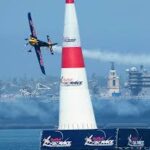
Pylon racing is one of the most common formats. In this event, pilots fly around a series of tall markers called pylons arranged in a course.
Pilots must maintain low altitude and high speed while navigating tight turns. Missing a pylon or flying too high can result in penalties.
This type of race is similar to airplane racing competitions like the Reno Air Races, but adapted for rotorcraft.
2. Navigation Racing
Navigation racing tests a pilot’s ability to follow complex routes while maintaining speed and accuracy.
Pilots receive coordinates or maps and must navigate between checkpoints. Points are awarded based on accuracy and completion time.
3. Obstacle Course Racing
Obstacle courses add a dramatic visual element to helicopter racing.
Pilots must fly through:
- Suspended gates
- Slalom pylons
- Hovering checkpoints
- Precision landing zones
These events require incredible control and coordination.
Helicopters Used in Racing
Not all helicopters are suitable for racing. Specialized models are often modified to maximize performance.
Lightweight Sport Helicopters
Many races use lightweight helicopters designed for speed and agility. These aircraft have powerful engines and lightweight frames.
Examples include:
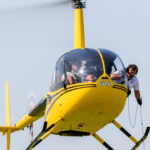
- The Robinson R22
- The Robinson R44
These helicopters are widely used because they are reliable, responsive, and relatively affordable.
Experimental Racing Helicopters
Some events feature modified or experimental helicopters designed specifically for racing.
These aircraft may include:
- Lightweight composite materials
- High-performance rotor systems
- Powerful turbine engines
Experimental designs allow engineers to push the limits of helicopter performance.
Technology Behind Helicopter Racing
Helicopter racing relies on advanced aviation technology to achieve high speeds and precise control.
High-Performance Rotor Systems
The rotor system is the heart of a helicopter. Racing helicopters often feature specially designed rotor blades that improve speed and efficiency.
Advanced materials such as carbon fiber help reduce weight while increasing strength.
Turbine Engines
Many high-performance helicopters use turbine engines instead of piston engines.
Turbine engines provide:
- Higher power output
- Better reliability
- Faster acceleration
This allows racing helicopters to reach impressive speeds.
Advanced Flight Instruments
Modern racing helicopters are equipped with sophisticated instruments that help pilots maintain precise control.
These systems may include:
- GPS navigation
- Digital flight displays
- Real-time telemetry
Pilots rely on these tools to navigate complex racing courses.
Skills Required for Helicopter Racing
Helicopter racing requires exceptional flying skills. Pilots must master both speed and precision.
Precision Control
Unlike airplanes, helicopters require constant control adjustments. Pilots must manage multiple controls simultaneously, including:
- Collective pitch
- Cyclic control
- Anti-torque pedals
Maintaining stability at high speeds requires intense concentration.
Situational Awareness
Racing pilots must be constantly aware of their surroundings.
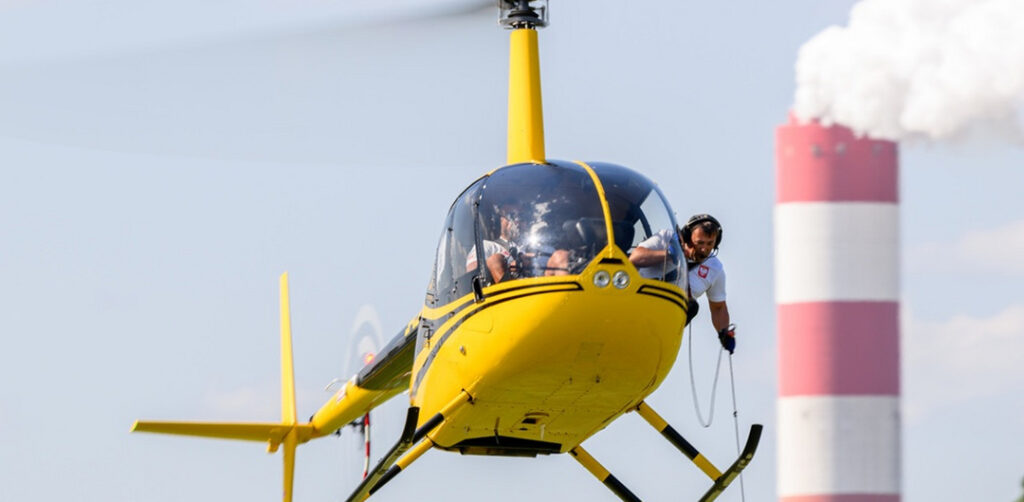
They must track:
- Course markers
- Altitude limits
- Other aircraft
A single mistake can cost valuable seconds—or even end the race.
Physical and Mental Endurance
Helicopter racing places heavy demands on both the body and mind. Pilots must maintain focus for the entire race while managing complex controls and reacting quickly to course conditions.
Famous Helicopter Competitions
Several international competitions feature helicopter racing and precision flying.
World Helicopter Championships
One of the most important events in rotorcraft competition is the FAI World Helicopter Championship.
This event includes multiple disciplines such as:
- Navigation flying
- Precision hovering
- Slalom racing
Pilots from around the world compete to demonstrate their skills.
Image Suggestions for Your Website
Place these images within the article for better SEO and user engagement.
Image 1 – Helicopter Racing
Insert under the introduction.
Search image: helicopter racing competition
Image 2 – Racing Helicopter
Insert under helicopter types.
Search image: Robinson R44 helicopter flying
Image 3 – Helicopter Slalom Course
Insert under racing events section.
Search image: helicopter slalom racing course
Internal Links (For Your Website)
Add links to related posts to improve SEO:
- Airplane racing tournaments
- Aviation racing sports
- High-speed aircraft competitions
- Professional air racing
Example internal link anchor:
Read also: The Ultimate Guide to Airplane Racing Events
External Links (Authority Sources)
Link to authoritative aviation websites:
- Official website of the Fédération Aéronautique Internationale
- Aviation safety resources
- Helicopter manufacturers
External links help increase search engine trust.
The Future of Helicopter Racing
Helicopter racing is still developing as a sport, but it has enormous potential. Advances in aviation technology could make races faster, safer, and more exciting.
Future developments may include:
- Electric helicopters
- Autonomous flight systems
- Global helicopter racing leagues
As interest grows, helicopter racing could become one of the most thrilling air sports in the world.
What Is Helicopter Racing?
Helicopter racing is an aviation sport where pilots compete in timed courses using rotorcraft. The races may involve flying through pylons, completing navigation tasks, or performing precision maneuvers.
Unlike airplanes, helicopters have the unique ability to:
- Hover in place
- Fly vertically
- Make extremely tight turns
- Maintain low-altitude flight
These characteristics make helicopter racing dramatically different from fixed-wing air racing.
Competitions often involve flying just meters above the ground while navigating obstacles. This requires tremendous concentration and technical expertise.
Real Helicopter Racing Events
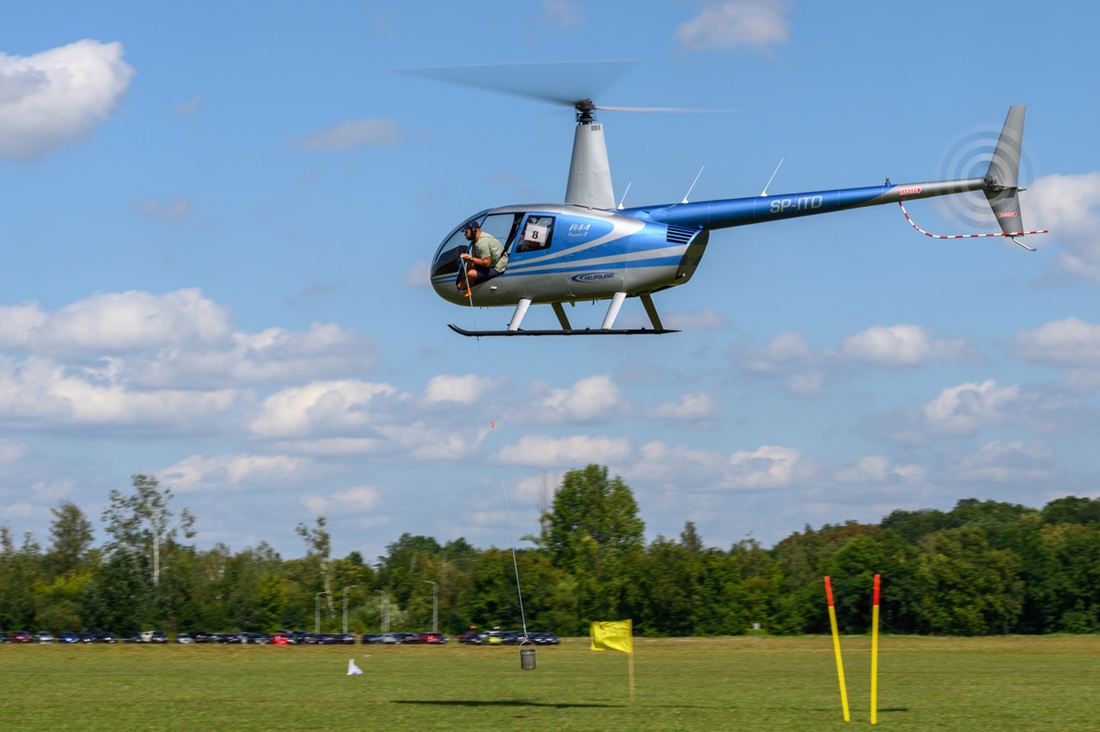
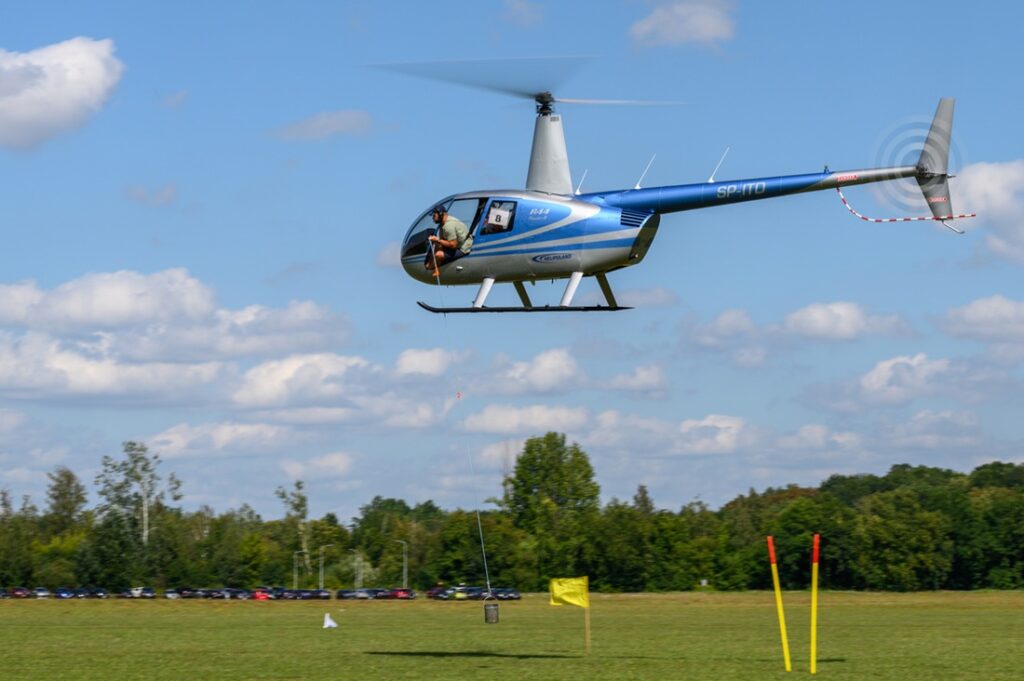
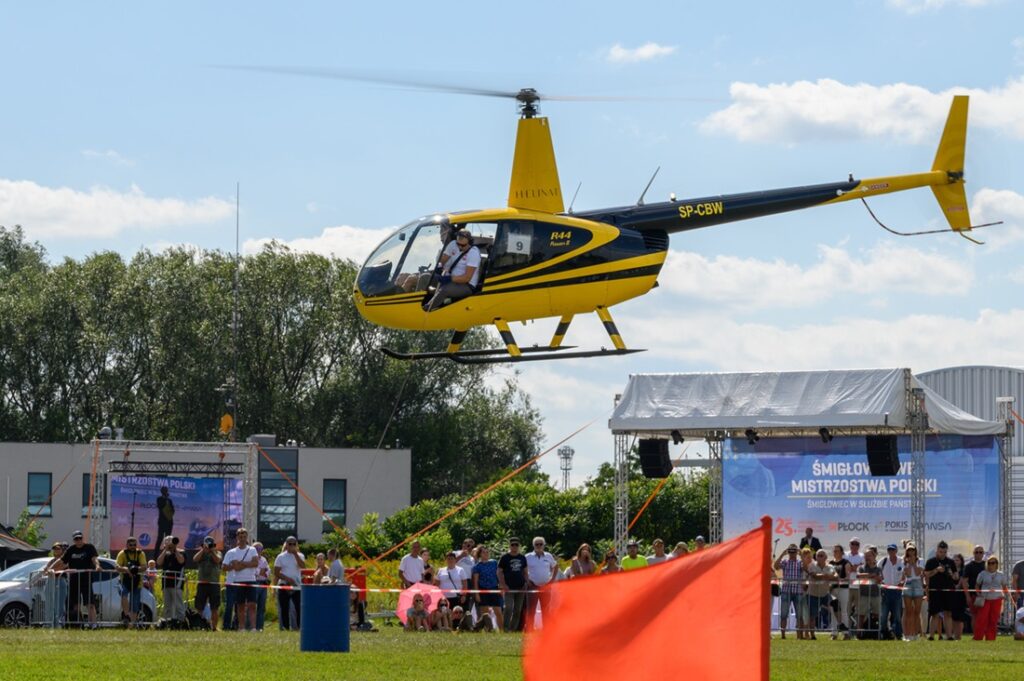
One example of an international rotorcraft competition is the International Helicopter Races, where pilots from around the world gather to compete in events such as slalom and fender-rigging challenges.
These races test both speed and precision. Competitors must fly through obstacle courses, perform delicate hovering tasks, and complete navigation routes while maintaining strict control of their aircraft.
In the 2025 International Helicopter Races in Poland, teams from multiple countries competed in these technical disciplines, highlighting the growing popularity of helicopter sport aviation.
Types of Helicopter Racing Competitions
Helicopter racing can take several different formats depending on the event rules.
1. Slalom Racing
Slalom racing is one of the most exciting helicopter competitions. Pilots must weave their helicopters through a series of tall poles or pylons.
This event requires:
- High speed
- Quick turns
- Precise altitude control
Even a small mistake can lead to penalties or disqualification.
2. Navigation Racing
Navigation races focus on route accuracy rather than just speed.
Pilots must follow specific coordinates and reach checkpoints at exact times. Points are awarded based on timing precision and navigation accuracy.
This discipline requires excellent map reading and situational awareness.
3. Precision Hovering Challenges
In some competitions, pilots must hover over targets or drop objects onto small platforms.
These tasks test the pilot’s ability to control the helicopter with extreme accuracy.
Precision events are often considered the most difficult because they require perfect control of the aircraft.
Helicopters Used in Racing
Several types of helicopters are used in competitive flying.
Light Utility Helicopters
Many races use small civilian helicopters because they are agile and responsive.
One popular example is the Robinson R44, a widely used helicopter in training and sport aviation.
These helicopters offer:
- Lightweight design
- Strong maneuverability
- Reliable engines
Their performance makes them ideal for racing competitions.
High-Performance Experimental Helicopters
Some events feature specially modified helicopters built for performance.
These aircraft may include:
- Carbon fiber rotor blades
- High-power turbine engines
- Advanced flight control systems
Such modifications allow helicopters to achieve faster speeds and improved maneuverability.
Skills Required for Helicopter Racing
Helicopter racing is extremely demanding. Pilots must master several complex skills.
Precision Control
Pilots must continuously adjust multiple controls at once:
- Cyclic (direction control)
- Collective pitch (lift control)
- Anti-torque pedals (yaw control)
This coordination is much more complex than driving a car or flying most airplanes.
Situational Awareness
During races, pilots must constantly monitor:
- Their altitude
- Course obstacles
- Wind conditions
- Other aircraft
Maintaining awareness while flying at high speed is essential for safety.
Physical and Mental Focus
Helicopter racing requires intense concentration. Even a moment of distraction can lead to mistakes.
Pilots train extensively to maintain focus and react quickly during competitions.
Why Helicopter Racing Is So Difficult
Several factors make helicopter racing one of the most challenging aviation sports.
Aerodynamics
Helicopters rely on rotating blades for lift. Controlling this system requires constant adjustments and careful balance.
Low-Altitude Flight
Most races take place just above the ground. Flying at such low altitudes increases risk and demands exceptional skill.
Complex Controls
Unlike airplanes, helicopters do not naturally stabilize themselves. Pilots must continuously adjust controls to maintain stability.
The Future of Helicopter Racing
Helicopter racing continues to evolve as technology improves.
Future developments may include:
- Electric helicopters
- Autonomous navigation systems
- Global racing leagues
- Drone-assisted race monitoring
As aviation technology advances, helicopter racing could become a major international sport similar to Formula 1 or air racing championships.