Racing tournaments are among the most thrilling sporting competitions in the world. From roaring engines and high-speed aircraft to advanced motorcycles and electric racing vehicles, racing events combine technology, human skill, and extreme speed. Millions of fans watch racing tournaments every year, whether it’s car racing, air racing, or motorcycle racing.
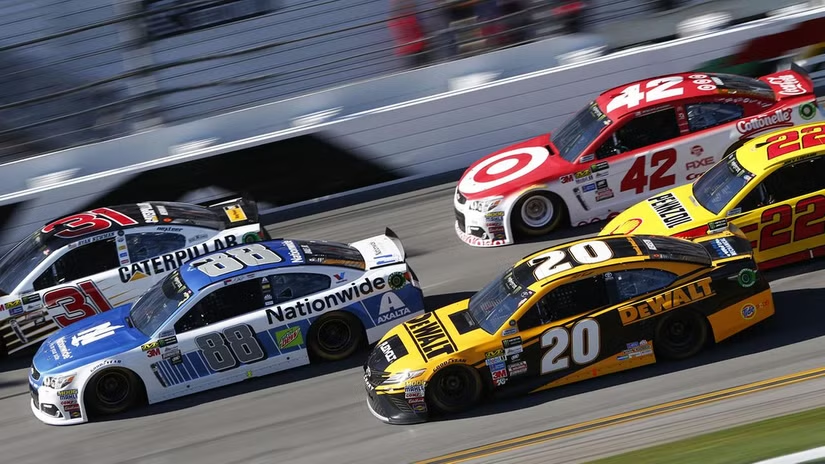
Some of the world’s most famous tournaments include the Indianapolis 500, the 24 Hours of Le Mans, and global championships like Formula One. Aviation competitions such as the Red Bull Air Race also showcase incredible aerial performance and engineering.
This comprehensive guide explores the history, types, rules, technology, and future of racing tournaments, helping readers understand why racing remains one of the most exciting competitive sports on the planet.
🏎️ 1. What Is a Racing Tournament?
A racing tournament is a competitive sporting event where participants compete to complete a course in the shortest time possible. The competitors may use vehicles such as cars, airplanes, motorcycles, boats, or even bicycles.
Racing tournaments usually include:
- Multiple competitors or teams
- Official racing tracks or courses
- Speed and endurance challenges
- Technical vehicle regulations
- Safety protocols for drivers and spectators
Unlike single races, tournaments often consist of multiple rounds or championship seasons, where competitors accumulate points to determine the ultimate winner.
🏁 2. The History of Racing Tournaments
Early Racing Competitions
The origins of racing competitions date back to the late 19th century, when the first automobile races were organized in Europe. One of the earliest major events was the Paris–Rouen race in 1894, often considered the first competitive car race.
As automobile technology improved, racing tournaments became more structured. Tracks were built specifically for racing, and governing bodies introduced regulations to ensure fair competition.
Rise of Motorsport Championships
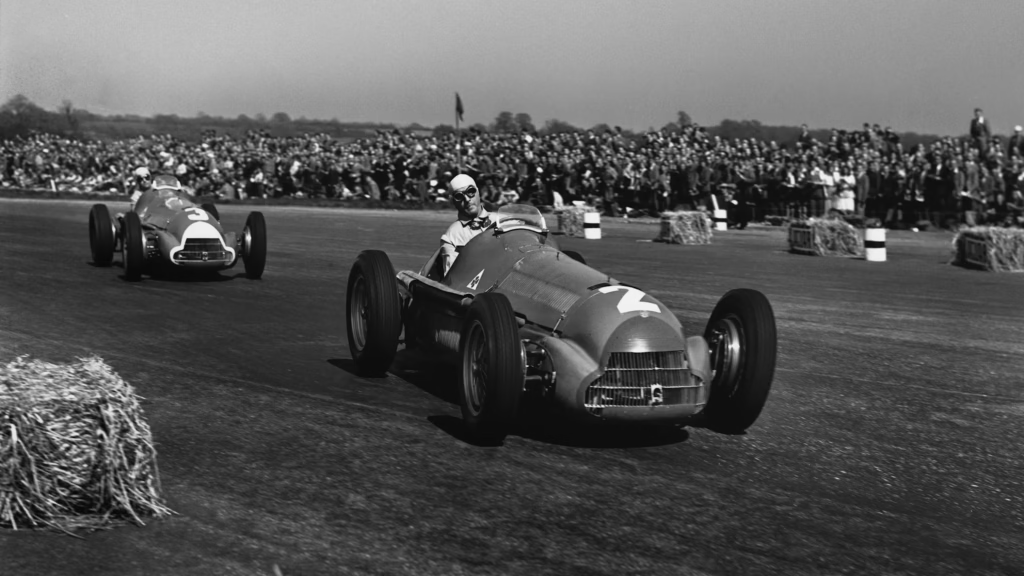
During the 20th century, racing evolved into global tournaments such as Formula One, which began in 1950. This championship introduced a professional system where drivers and teams competed in races around the world.
Similarly, endurance racing events like the 24 Hours of Le Mans tested not only speed but also durability and strategy.
🏎️ 3. Types of Racing Tournaments
Racing tournaments exist in many forms depending on the vehicle type, terrain, and racing format.
Car Racing Tournaments
Car racing tournaments are among the most popular forms of motorsport.
Major types include:
- Circuit racing
- Endurance racing
- Drag racing
- Rally racing
The most famous championship is Formula One, where teams design advanced race cars capable of exceeding 350 km/h.
Another iconic event is the Indianapolis 500, known for its oval track and high-speed competition.
Motorcycle Racing Tournaments
Motorcycle racing tournaments test rider balance, speed, and control.
Popular formats include:
- Circuit superbike racing
- Motocross tournaments
- Endurance motorcycle racing
One of the most famous championships is MotoGP, where riders compete on highly advanced motorcycles capable of incredible acceleration.
Air Racing Tournaments
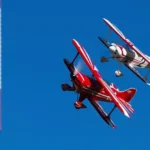
Air racing tournaments involve pilots flying aircraft through challenging courses at extreme speeds.
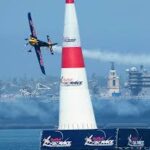
The Red Bull Air Race became famous for its spectacular aerial tracks marked by inflatable pylons.
Pilots must combine:
- Precision flying
- Speed control
- Aerodynamic skill
Air racing demonstrates the limits of aviation technology and pilot performance.
Boat Racing Tournaments
Water racing competitions include:
- Powerboat racing
- Sailing regattas
- Hydroplane racing
These events take place on oceans, lakes, or rivers and require precise navigation and high-performance engines.
🏆 4. Famous Racing Tournaments Around the World
Many racing tournaments attract international audiences and millions of viewers.
The Indianapolis 500
The Indianapolis 500 is one of the oldest and most prestigious automobile races.
Key features:
- Held annually in Indiana, USA
- Over 300,000 spectators attend
- Drivers complete 500 miles (800 km)
The 24 Hours of Le Mans
The 24 Hours of Le Mans is the ultimate endurance challenge.
Teams compete continuously for 24 hours, testing both drivers and vehicles.
Success requires:
- Mechanical reliability
- Efficient pit stops
- Strategic driving
Formula One Championship
The Formula One is considered the pinnacle of motorsport.
Each season features multiple races called Grands Prix, held in cities across the world.
Teams invest hundreds of millions of dollars in engineering and development.
Red Bull Air Race
The Red Bull Air Race brought aviation racing to mainstream audiences.
Pilots navigate tight courses with high-speed aerobatic maneuvers.
⚙️ 5. Technology Used in Racing Tournaments
Racing tournaments are not only about speed; they also showcase cutting-edge engineering.
Advanced Aerodynamics
Aerodynamics plays a crucial role in racing vehicles.
Modern race cars use:
- Front wings
- Rear wings
- Diffusers
These components reduce drag and increase downforce, allowing cars to corner at high speeds.
High-Performance Engines
Racing engines are designed for maximum performance.
Features include:
- Turbochargers
- Hybrid power systems
- Lightweight materials
Many racing technologies eventually influence consumer vehicles.
Telemetry and Data Analysis
Modern racing teams rely on advanced data systems.
Telemetry allows engineers to monitor:
- Engine performance
- Tire temperature
- Fuel consumption
- Driver inputs
This information helps teams make strategic decisions during races.
🧑✈️ 6. Skills Required for Racing Tournament Competitors
Professional racers require exceptional abilities.
Physical Fitness
Drivers must withstand intense physical forces during races, including high G-forces in corners.
Reaction Speed
Racers must react within milliseconds to:
- Track changes
- Opponent movements
- Mechanical issues
Strategic Thinking
Winning a tournament often depends on:
- Pit stop timing
- Tire strategy
- Fuel management
🛡️ 7. Safety in Racing Tournaments
Safety has become a major focus in modern racing competitions.
Important safety measures include:
- Reinforced vehicle structures
- Fire-resistant racing suits
- Advanced helmet designs
- Medical teams at racing venues
Motorsport governing bodies constantly update regulations to protect drivers and spectators.
🌍 8. Economic Impact of Racing Tournaments
Racing tournaments generate billions of dollars globally.
They contribute to:
- Tourism revenue
- Sponsorship deals
- Automotive innovation
- Global media coverage
Large events like the Indianapolis 500 attract huge crowds and international attention.
🔮 9. The Future of Racing Tournaments
Racing tournaments are evolving rapidly as technology advances.
Future trends include:
- Electric racing series such as Formula E
- Autonomous racing vehicles
- Sustainable fuels
- Virtual racing tournaments
These innovations aim to make racing more environmentally friendly while maintaining excitement.
🔗 Suggested Internal Links (For Your Website)
You can link this article to other posts on your website, such as:
- The Ultimate Guide to Racing Car Technology
- Top 10 Fastest Racing Cars in the World
- History of Professional Motorsport Championships
- Best Air Racing Events Around the World
Internal links improve SEO and website ranking.
🌐 Suggested External Links
For credibility, you can reference official organizations:
- Official website of Formula One
- Motorsport history archives
- International motorsport governing bodies
- Aviation sports organizations
External links help search engines recognize your content as reliable and authoritative.