Airplane racing is one of the most thrilling sports in aviation history. Combining high-speed aircraft, elite pilots, and intense competition, air racing captivates audiences worldwide. From historic races in the early 20th century to modern competitions like the Red Bull Air Race, this sport pushes the limits of engineering and human skill.
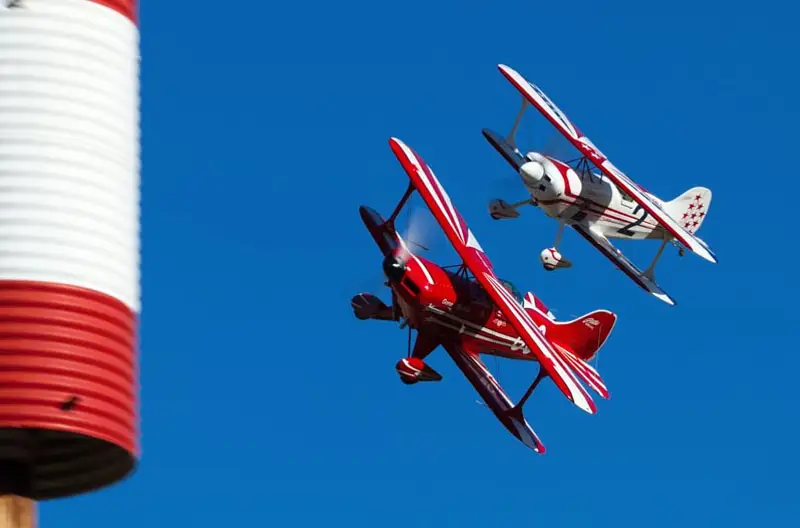
In this comprehensive guide, you will discover 20 powerful facts about airplane racing, its history, technology, famous competitions, and why it remains one of the most exciting aviation sports.
✈️ What Is Airplane Racing?
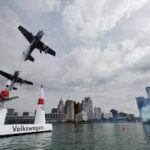
Airplane racing, often called air racing, is a competitive aviation sport where pilots fly aircraft through a designated course at extremely high speeds. Courses may involve pylons, gates, altitude restrictions, and tight turns, requiring incredible precision.
Some of the most famous competitions include the Reno Air Races and the Red Bull Air Race.
Key Features of Airplane Racing
- High-speed aircraft
- Short, technical race courses
- Precision flying skills
- Advanced aviation engineering
- Competitive pilot strategy
📷 Airplane Racing Example
(Suggested placement after introduction on your website)
20 Powerful Facts About Airplane Racing
1. Airplane Racing Began in the Early 1900s
Air racing started shortly after the invention of airplanes. One of the earliest competitions was the Schneider Trophy, which began in 1913.
These early races helped drive innovation in aerodynamics, engines, and aircraft design.
2. The Reno Air Races Are the World’s Most Famous
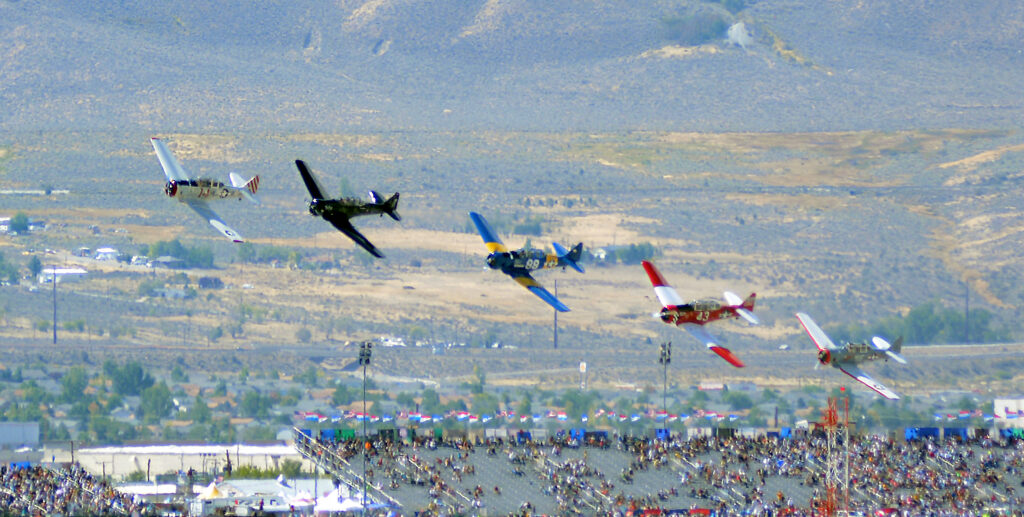
The Reno Air Races, held in Nevada, USA, is considered the most prestigious air racing event.
Pilots race around pylons at speeds exceeding 800 km/h (500 mph).
3. Airplane Racing Aircraft Are Highly Modified
Most racing airplanes are heavily modified for speed. Engineers often modify:
- Wings
- Engines
- Propellers
- Aerodynamics
Many aircraft are based on World War II fighters like the P‑51 Mustang.
4. Airplane Racing Is One of the Fastest Sports
Compared with many motorsports, airplane racing reaches extreme speeds.
Typical speeds include:
| Aircraft Class | Average Speed |
|---|---|
| Formula One Air Racers | 400 km/h |
| Jet Class Racers | 700 km/h |
| Unlimited Class | 800+ km/h |
📷 Racing Aircraft in Action
5. Pilots Experience Extreme G-Forces
Air racing involves tight turns at high speeds. Pilots may experience 5–8 G-forces, similar to fighter jet pilots.
These forces require:
- intense physical training
- special flight suits
- extreme focus
6. The Red Bull Air Race Revolutionized the Sport
The Red Bull Air Race introduced a new style of racing using inflatable air gates.
Pilots fly through gates only 10–20 meters above ground while performing complex maneuvers.
7. Courses Are Built With Giant Pylons
Traditional air races use pylons, which are tall markers placed on the ground.
Pilots must fly around them in a precise pattern without cutting corners.
8. Safety Is a Major Focus
Due to the extreme speeds involved, safety measures are strict.
Important safety features include:
- reinforced cockpits
- strict pilot training
- emergency rescue teams
9. Air Racing Helped Advance Aviation Technology
Many aviation innovations were developed through racing competitions, including improvements in:
- engine power
- aircraft aerodynamics
- propeller design
These technologies later influenced commercial and military aviation.
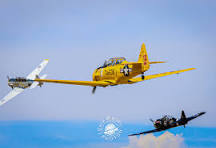
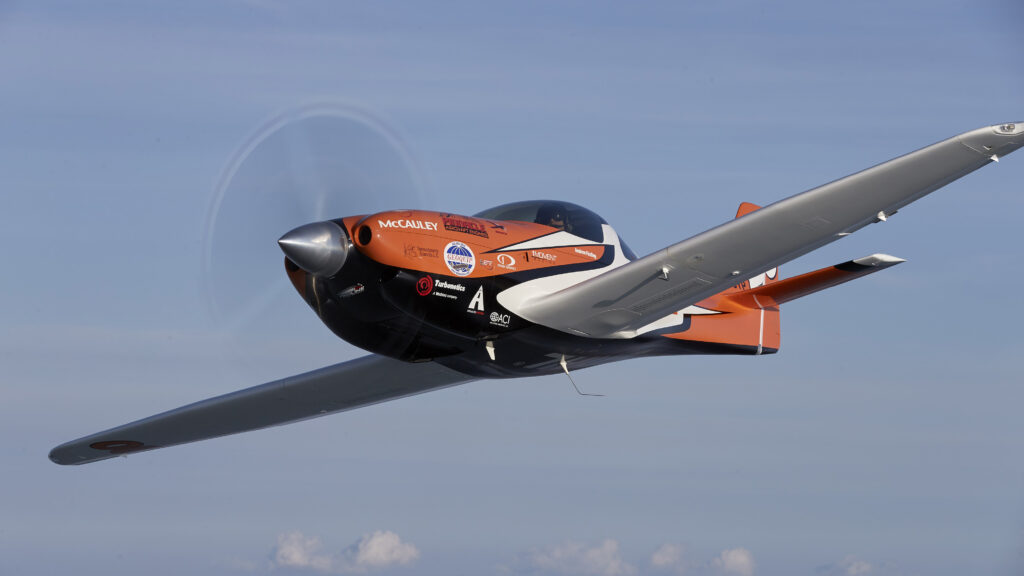
10. World War II Fighters Are Popular Race Planes
Many racing aircraft come from WWII fighter designs like:
- P‑51 Mustang
- Hawker Sea Fury
- North American T‑6 Texan
These aircraft are powerful and ideal for racing modifications.
📷 Classic Racing Fighte
11. Air Racing Requires Incredible Pilot Skill
Unlike standard flying, racing requires:
- split-second decision making
- extremely precise turns
- perfect speed control
Even a small mistake can cost the race.
12. Different Classes of Airplane Racing Exist
Air racing competitions include multiple classes:
- Unlimited Class
- Jet Class
- Formula One Class
- Sport Class
- Biplane Class
Each class has different speed limits and aircraft types.
13. The Sport Attracts Thousands of Fans
Major events like the Reno Air Races attract hundreds of thousands of spectators annually.
Fans enjoy the combination of aviation technology and motorsport excitement.
14. Racing Planes Are Lighter Than Normal Aircraft
Weight reduction is essential for speed.
Engineers often remove:
- unnecessary equipment
- heavy panels
- interior components
15. Pilots Train Like Professional Athletes
Air race pilots train regularly in:
- flight simulators
- aerobatic practice
- physical endurance training
This helps them handle extreme G-forces and high-speed turns.
16. Airplane Racing Courses Are Short but Intense
Most races last only a few minutes, but they are extremely intense.
Pilots must maintain:
- maximum speed
- perfect control
- ideal racing line
17. Some Racing Aircraft Break Speed Records
Several air racing aircraft have set world speed records, especially modified WWII fighters.
These aircraft often exceed 800 km/h.
18. Technology Plays a Huge Role
Modern air racing uses advanced technology such as:
- GPS tracking
- telemetry systems
- digital engine monitoring
These tools help teams improve performance.
19. Air Racing Is Growing Worldwide
New competitions are appearing globally, including events in:
- Europe
- the Middle East
- Asia
The sport continues to gain popularity among aviation enthusiasts.
20. Airplane Racing Combines Sport and Engineering
Air racing is unique because it blends pilot skill with engineering innovation.
Every race showcases the limits of aircraft performance.
Internal Links (For Your Website)
You can link this article to related topics such as:
- High-Speed Aviation Technology
- History of Air Racing
- Top Racing Aircraft in the World
- Aviation Sports Guide
Example:
- Learn more about High-Speed Aviation Technology (Internal Link)
- Discover the History of Air Racing Championships (Internal Link)
External Links
Useful references for readers:
- Reno Air Races official information
- Red Bull Air Race race history
- Fédération Aéronautique Internationale
20 Powerful Facts About Airplane Racing
1. Airplane Racing Started Over 100 Years Ago
Airplane racing began shortly after the invention of powered flight. Early competitions such as the Schneider Trophy in 1913 helped push aviation technology forward.
These races encouraged engineers to develop faster aircraft, better engines, and improved aerodynamics.
2. The Reno Air Races Are the Most Famous Event
The National Championship Air Races is considered the most prestigious air racing event in the world.
It is held annually in Nevada, USA, and attracts thousands of spectators and aviation enthusiasts.
3. Air Racing Is One of the Fastest Motorsports
Airplane racing is significantly faster than most motorsports. Some aircraft in the Unlimited Class exceed speeds of 800 km/h (500 mph).
This makes air racing one of the fastest competitive sports on Earth.
4. Many Racing Planes Are Former Military Aircraft
Many air racing aircraft are modified versions of World War II fighter planes, including:
- P-51 Mustang
- Hawker Sea Fury
- North American T-6 Texan
These planes are powerful and can be heavily modified for racing performance.
5. Pilots Fly Extremely Close to the Ground
During pylon races, aircraft may fly only 50 feet above the ground.
Flying at such low altitude increases speed but requires extreme precision and concentration.
6. Air Racing Courses Use Giant Pylons
Traditional air racing uses tall markers called pylons.
Pilots must fly around these pylons in a specific pattern. Missing a pylon or cutting inside it can result in penalties or disqualification.
7. Pilots Experience Strong G-Forces
During tight turns at high speed, pilots experience strong gravitational forces.
These forces can reach 5 to 8 Gs, similar to those experienced by fighter jet pilots.
8. Racing Aircraft Are Highly Modified
To maximize speed, racing teams modify aircraft by:
- reducing weight
- increasing engine power
- improving aerodynamics
- upgrading propellers
These modifications can dramatically increase aircraft performance.
9. Air Racing Is a Test of Engineering
Airplane racing is not only about pilot skill—it is also about engineering innovation.
Teams invest significant effort in designing aircraft that are lighter, faster, and more efficient.
10. The Red Bull Air Race Changed the Sport
The Red Bull Air Race introduced a new style of air racing using inflatable air gates.
Pilots must fly through these gates while performing precision aerobatic maneuvers.
11. There Are Multiple Racing Classes
Air racing competitions feature several classes of aircraft:
- Unlimited Class
- Jet Class
- Formula One Class
- Sport Class
- Biplane Class
Each class has different aircraft types and speed limits.
12. Aircraft Weight Is Reduced for Speed
Weight reduction is critical in air racing.
Engineers often remove unnecessary equipment, interior panels, and heavy components to improve performance.
13. Pilots Train Intensively
Air racing pilots train extensively to prepare for competition. Their training includes:
- aerobatic practice
- flight simulators
- physical endurance training
This helps them handle the intense conditions of racing.
14. Races Are Short but Intense
Most air races last only a few minutes, but they are extremely intense.
Pilots must maintain top speed while navigating the course perfectly.
15. Air Racing Helped Advance Aviation Technology
Historically, air racing has contributed to major advancements in aviation technology, including:
- improved aerodynamics
- better engine designs
- advanced propeller technology
Many of these innovations later influenced commercial aircraft.
16. Spectators Love Air Racing
Major events like the National Championship Air Races attract large crowds.
Fans enjoy watching aircraft fly at incredible speeds while performing daring maneuvers.
17. Racing Aircraft Break Speed Records
Some air racing planes have set world speed records due to their powerful engines and aerodynamic designs.
These records demonstrate the incredible performance potential of racing aircraft.
18. Modern Technology Improves Racing Performance
Modern air racing teams use advanced technology, including:
- GPS tracking
- telemetry systems
- digital engine monitoring
These tools help teams analyze and improve aircraft performance.
19. Air Racing Is Expanding Worldwide
Air racing competitions are becoming more popular around the world.
Events now take place in Europe, the Middle East, and Asia, attracting international audiences.
20. Airplane Racing Combines Skill and Innovation
Air racing is unique because it combines human skill with cutting-edge technology.
Pilots must push both themselves and their aircraft to the limits to win.
Internal Links for Your Website
You can connect this article with related content such as:
- High-Speed Aircraft Technology
- History of Aviation Racing
- Famous Racing Aircraft
- Aircraft Engine Performance
Example internal links:
- Learn more about High-Speed Aircraft Technology
- Explore the History of Aviation Racing Championships
External References
For additional information, readers can explore:
- National Championship Air Races
- Red Bull Air Race
- Fédération Aéronautique Internationale
- 30 HD airplane racing images for your article
- 100 SEO keywords for airplane racing
- SEO title + meta description
- Full 6000-word professional article for Google ranking.
3 messages remaining.Upgrade to ChatGPT Go to keep the conversation going
Upgrade to Go