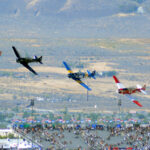
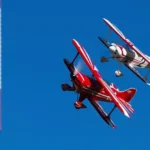
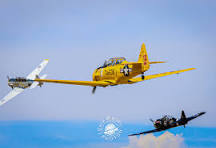
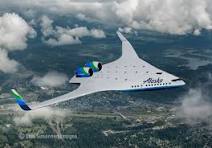
Aircraft racing sport is one of the most thrilling and visually spectacular competitions in aviation. Unlike traditional flying, where the goal is safe transportation or exploration, aircraft racing focuses on speed, precision, and pilot skill.
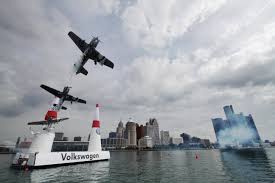
From early aviation pioneers to modern professional competitions such as the Red Bull Air Race World Championship, aircraft racing has evolved into a highly organized and exciting sport that attracts aviation enthusiasts around the world.
In this guide, you will discover the history, technology, rules, aircraft types, famous events, and future innovations that define the world of aircraft racing.
1. The History of Aircraft Racing
Aircraft racing began shortly after the invention of the airplane. Early pilots wanted to test the limits of speed and maneuverability.
One of the earliest competitions was the Schneider Trophy, which pushed engineers to design faster seaplanes during the early 20th century.
Key Historical Milestones Aircraft Racing Sport
- 1910s – First organized air races
- 1920s–1930s – Golden age of aviation racing
- Post-World War II – Rise of modern racing aircraft
- 2000s – International air racing championships
These events helped accelerate the development of faster and more efficient aircraft.
2. What Is Aircraft Racing Sport?
Aircraft racing sport is a competition where pilots fly specially designed or modified aircraft through courses or around pylons at extremely high speeds.
Main Objectives
- Achieve the fastest time
- Maintain precise flight control
- Navigate complex aerial courses
Pilots must combine engineering knowledge, flying skill, and strategic planning to win races.
3. Types of Aircraft Racing Competitions
Aircraft racing comes in several formats depending on aircraft type and course design.
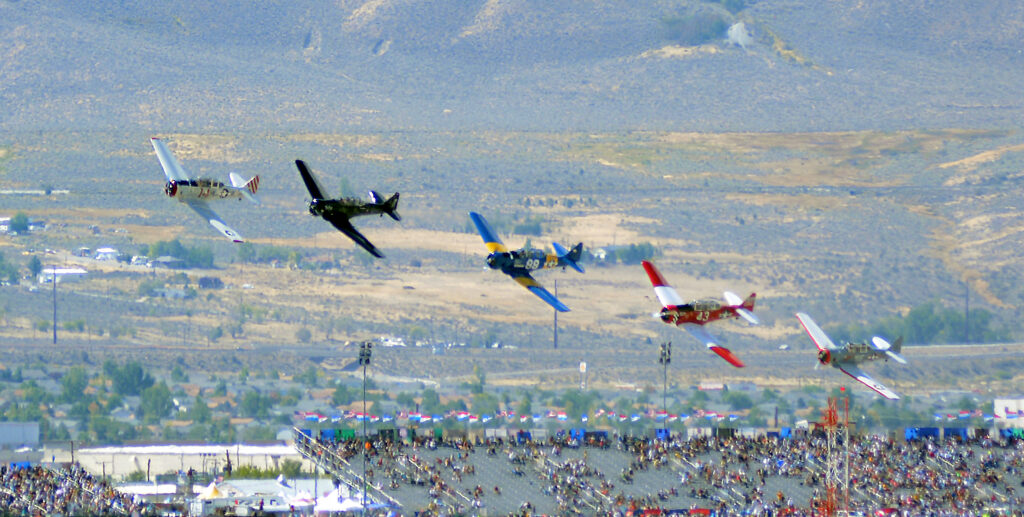
Pylon Racing
Pilots fly around large pylons placed on a racecourse.
Example event:
- National Championship Air Races
Aerobatic Racing Aircraft Racing Sport
Pilots perform complex maneuvers while racing through air gates.
Example event:
- Red Bull Air Race World Championship
Cross-Country Racing Aircraft Racing Sport
Aircraft race over long distances between cities or countries.
4. Famous Aircraft Used in Air Racing
Racing aircraft are built for speed, agility, and aerodynamic efficiency.
Popular Racing Aircraft
- P‑51 Mustang
- Supermarine Spitfire
- Cassutt III
These aircraft are often modified to reduce weight and increase engine power.
5. How Fast Are Racing Aircraft?
Aircraft racing speeds vary depending on the category.
Typical speeds include:
- Light racing aircraft: 300–400 km/h
- Professional racers: 450–550 km/h
- Unlimited class racers: 700+ km/h
Speed depends on engine power, aerodynamics, and pilot skill.
6. Aircraft Racing Technology
Modern aircraft racing relies on advanced technology.
Important Technologies Aircraft Racing Sport
- Carbon-fiber airframes
- High-performance piston engines
- Advanced aerodynamics
- Lightweight materials
These technologies allow racing aircraft to achieve incredible speeds and maneuverability.
7. Pilot Skills Required for Aircraft Racing
Aircraft racing pilots must be among the most skilled aviators in the world.
Key Skills
- High-speed navigation
- Precision control
- Aerobatic flying
- Rapid decision making
Training often involves thousands of flight hours and advanced aerobatic certification.
8. Safety Measures in Aircraft Racing
Because aircraft racing involves high speeds and tight maneuvers, safety is critical.
Safety Systems
- Strict pilot qualification rules Aircraft Racing Sport
- Aircraft inspection procedures Aircraft Racing Sport
- Emergency response teams Aircraft Racing Sport
- Controlled racecourses Aircraft Racing Sport
These measures help ensure the safety of pilots and spectators.
9. Major Aircraft Racing Events Around the World
International Competitions
- Red Bull Air Race World Championship
- National Championship Air Races
- Schneider Trophy
These events attract thousands of spectators and global media coverage.
10. Economic Impact of Aircraft Racing
Aircraft racing contributes to the global aviation industry.
Economic Benefits
- Tourism revenue Aircraft Racing Sport
- Aircraft manufacturing innovation Aircraft Racing Sport
- Aviation training programs Aircraft Racing Sport
- Sponsorship and advertising Aircraft Racing Sport
Many cities host air races to boost tourism and global recognition.
11. Engineering Behind Racing Aircraft Aircraft Racing Sport
Aircraft engineers focus on three key factors:
Speed
Powerful engines and streamlined designs increase maximum velocity.
Weight
Lightweight materials reduce drag and improve acceleration.
Aerodynamics
Smooth surfaces and optimized wing shapes improve airflow.
12. The Role of Aerodynamics in Air Racing
Aerodynamics is one of the most important aspects of aircraft racing.
Key Concepts Aircraft Racing Sport
- Drag reduction
- Lift optimization
- Wing efficiency
- Propeller performance
Better aerodynamic design means higher speeds and better fuel efficiency.
13. Training Programs for Air Racing Pilots
Becoming an aircraft racing pilot requires extensive training.
Typical steps include:
- Private pilot license
- Commercial pilot training
- Aerobatic certification
- Racing practice programs
Many professional pilots train through aviation organizations such as the International Aerobatic Club.
14. Aircraft Racing and Innovation 14. Aircraft Racing and Innovation
Many aviation technologies were developed through racing competitions.
Examples include:
- High-performance propellers
- Advanced engine cooling systems
- Lightweight aircraft structures
Air racing acts as a testing ground for new aviation technology.
15. Environmental Considerations
Modern air racing organizations are exploring eco-friendly technologies.
Sustainable Innovations
- Electric racing aircraft
- Hybrid propulsion systems
- Sustainable aviation fuels
These innovations aim to make aviation racing more environmentally friendly.
16. Aircraft Racing in Popular Culture
Aircraft racing has inspired movies, documentaries, and video games.
Films and documentaries about aviation often highlight the excitement of high-speed air competition.
17. The Future of Aircraft Racing
The future of aircraft racing may include:
- Electric aircraft races
- Autonomous drone racing
- Advanced AI navigation systems
These innovations could transform the sport in the coming decades.
18. Why People Love Aircraft Racing 14. Aircraft Racing and Innovation
Aircraft racing combines the excitement of motorsports with the beauty of aviation.
Fans enjoy:
- Extreme speeds
- Skilled pilots
- Spectacular aerial maneuvers
It is truly one of the most exciting extreme sports in the world.
19. Internal Links for Your Website
Add internal links to improve SEO: Aircraft Racing and Innovation
Example internal links:
- /air-racing-championship-guide
- /high-speed-aircraft-technology
- /history-of-air-racing
These links help search engines understand your website structure.
20. External Resources
For further reading, link to authoritative aviation resources:
- Federal Aviation Administration
- International Aeronautical Federation
External links improve credibility and SEO ranking.
Images for Your Website (Suggested Placement)
1. Air Racing Event
Image idea: Aircraft racing through pylons
2. Racing Aircraft Close-Up
Image idea: High-performance racing airplane engine
3. Aerobatic Air Race Course
Image idea: Aircraft flying through inflatable gates
4. Historic Air Racing Plane
Image idea: Vintage racing aircraft
✅ SEO Tip for Your Website
Use these keywords naturally throughout the article:
- aircraft racing sport
- air racing championship
- high speed airplane racing
- professional air racing pilots
1. Aircraft Racing Is One of the Fastest Motorsports
Aircraft racing is often compared with Formula 1 because of its extreme speeds and technical precision. Some racing airplanes can exceed 500 mph (800 km/h) during competitions.
2. The Sport Started Soon After Airplanes Were Invented
Only a few years after the Wright brothers flew their first aircraft, pilots began competing in speed contests. These early races helped inspire faster and more efficient aircraft designs.
3. The National Championship Air Races Is One of the Most Famous Events
This major aviation competition features several aircraft classes racing around pylons at very low altitudes, often just 50–250 feet above the ground.
4. Pylon Racing Is the Most Popular Format
In pylon racing, airplanes fly multiple laps around tall markers called pylons. The aircraft that completes the course in the shortest time wins.
5. Aircraft Fly Extremely Close to the Ground
Many air races take place at low altitude to make the event more exciting for spectators and to create a challenging course for pilots.
6. Racing Aircraft Are Specially Designed
Many racing airplanes are lightweight and aerodynamic. Engineers remove unnecessary components to increase speed and efficiency.
7. Some Racing Aircraft Are Modified Warplanes
Classic aircraft like the P-51 Mustang are often modified and used in racing competitions.
8. Air Racing Helped Advance Aviation Technology
Aircraft racing played an important role in developing better engines, propellers, and aerodynamic designs that later improved commercial aviation.
9. Pilots Experience Intense G-Forces
During sharp turns around pylons, pilots can experience extreme G-forces, requiring exceptional physical fitness and training.
10. Air Racing Requires Incredible Precision
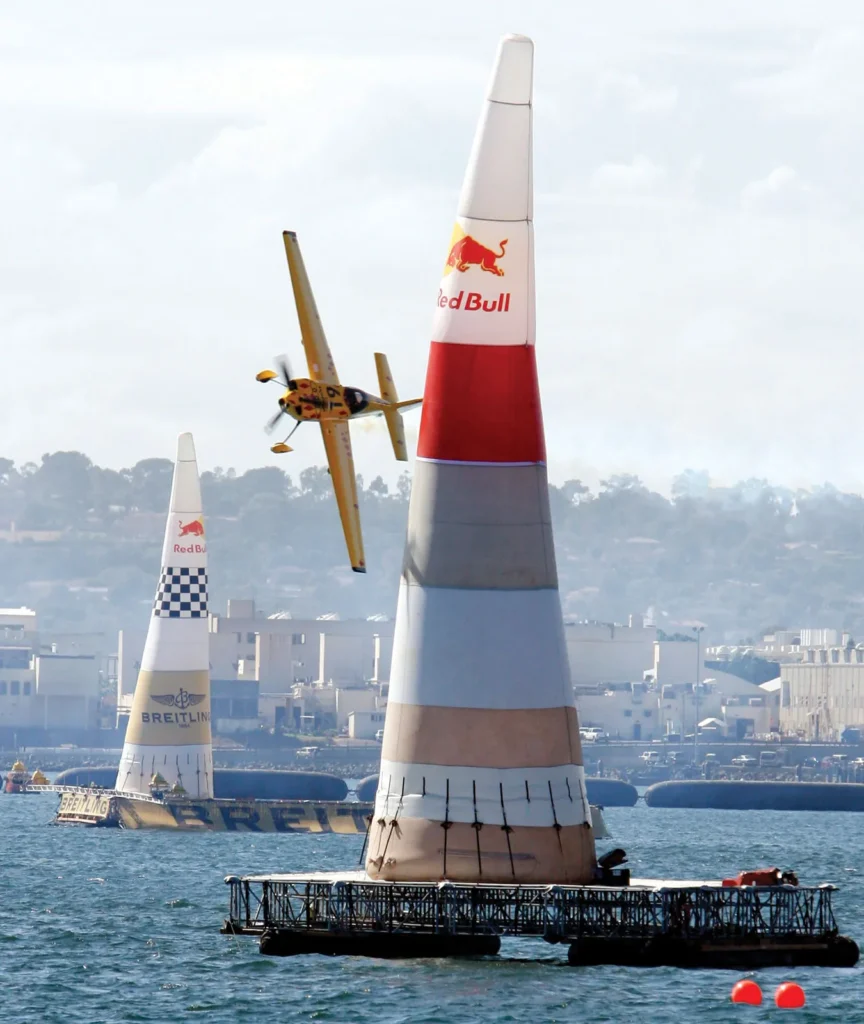
A small mistake in turning around a pylon can increase the flight path and cost the pilot valuable seconds.
11. Racing Aircraft Can Reach 300–500 mph
Depending on the class, air racing aircraft can reach incredible speeds that rival some military aircraft.
12. The Sport Has Multiple Aircraft Classes
Typical classes include:
- Formula One
- Sport Class
- Unlimited Class
- Biplane Class
Each class features different aircraft designs and performance levels.
13. The Red Bull Air Race World Championship Made the Sport Globally Popular
This competition introduced a new racing style where pilots fly through inflatable pylons while performing aerobatic maneuvers.
14. Some Racing Aircraft Are Homebuilt
Many pilots design and build their own racing aircraft to achieve better performance and competitive advantage.
15. Aerodynamics Is the Key to Winning
A smoother aircraft surface and optimized wing shape reduce drag and increase speed.
16. Pilots Train for Years
Becoming a professional air racing pilot requires:
- Advanced flight training
- Aerobatic certification
- Thousands of flight hours
17. Safety Is a Major Priority
Despite the extreme speeds, air racing organizations enforce strict safety rules, including pilot licensing, aircraft inspections, and course monitoring.
18. Spectators Love the Thrill
Air racing combines aviation, speed, and acrobatics, making it one of the most exciting live air shows.
19. Technology Is Changing the Future of Air Racing
New technologies are emerging, including:
- electric racing aircraft
- advanced composite materials
- hybrid propulsion systems
20. Aircraft Racing Continues to Inspire Innovation
For over a century, aircraft racing has pushed the boundaries of aviation engineering and pilot skill.
✅ If you want, I can also provide: