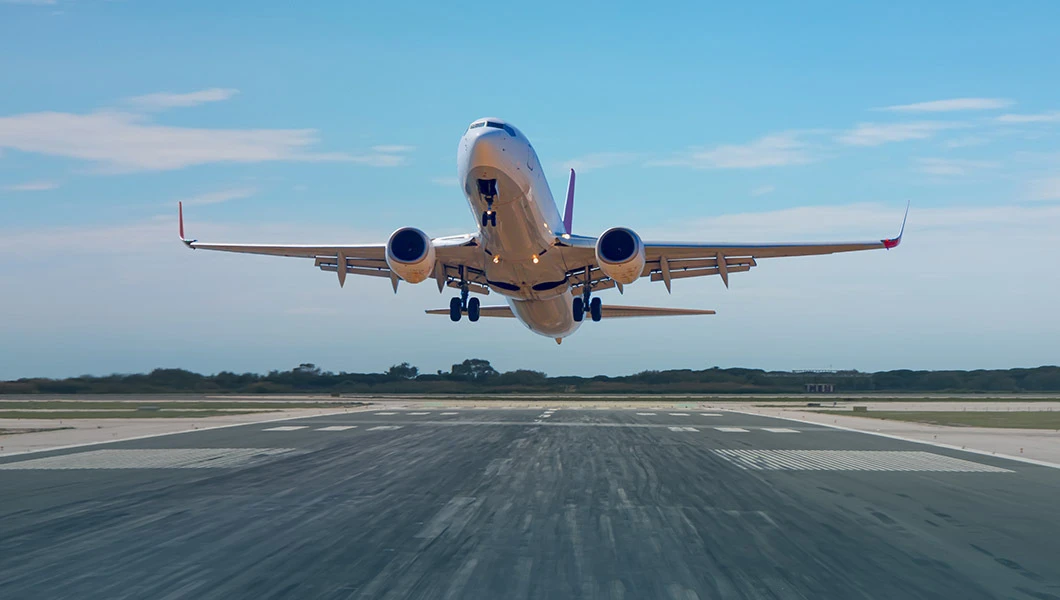
Aviation racing sports, commonly known as air racing, represent one of the most thrilling forms of motorsport in the world. Combining high-performance aircraft, elite pilot skill, and extreme speed, air racing pushes aviation technology and human capability to the limit.
Unlike traditional motorsports such as Formula One, aviation racing occurs in the sky. Pilots fly specialized aircraft through challenging courses at incredible speeds, often exceeding 400 km/h (250 mph) while navigating tight turns and obstacles.
One of the most famous global competitions was the Red Bull Air Race, which brought worldwide attention to this spectacular sport. Other major events include the Reno Air Races, known for its intense competition and historic aircraft.
This comprehensive guide explores the history, technology, aircraft, pilots, and future of aviation racing sports, helping readers understand why air racing remains one of the most exciting spectacles in aviation.
What Are Aviation Racing Sports? Aviation Racing Sports
Aviation racing sports involve competitive aircraft flying events where pilots race against time or each other on a defined course.
Typical air race formats include:
- Closed circuit races
- Time trials
- Aerobatic obstacle races
- Head-to-head competitions
Pilots must fly with extreme precision, maintaining both speed and safety.
The History of Aviation Racing
Early Air Racing Competitions
Air racing began shortly after the invention of powered flight.
In the early 1900s, aviation pioneers organized speed competitions to test new aircraft designs.
One famous early event was the Schneider Trophy, which ran from 1913 to 1931 and significantly advanced aviation technology.
Many aircraft innovations developed for these races later influenced military and commercial aviation.
The Golden Age of Air Racing Aviation Racing Sports
During the 1920s and 1930s, air racing gained massive popularity worldwide.
Key developments included:
- Faster aircraft engines
- Improved aerodynamics
- Specialized racing aircraft designs
Events attracted thousands of spectators and were widely covered in newspapers and radio broadcasts.
Types of Aviation Racing Sports
1. Pylon Racing Aviation Racing Sports
Pylon racing is the most common type of air racing.
Pilots fly aircraft around pylons (tall markers) placed on a closed course. The goal is to complete the circuit in the shortest possible time.
The Reno Air Races is famous for pylon racing.
Key Characteristics Aviation Racing Sports
- High speed Aviation Racing Sports
- Low altitude flying Aviation Racing Sports
- Close aircraft competition Aviation Racing Sports
2. Aerobatic Air Racing
Aerobatic racing combines speed with aerobatic maneuvers.
Pilots must fly through an obstacle course that includes vertical turns and tight gates.
Aircraft such as the Zivko Edge 540 are commonly used in these races.
3. Time Trial Air Racing Aviation Racing Sports
In time trial competitions, pilots race against the clock instead of directly competing against other aircraft.
Each pilot flies individually, and the fastest time wins.
Aircraft Used in Aviation Racing
Air racing requires highly specialized aircraft designed for speed, agility, and precision.
Aerobatic Racing Aircraft
Common aircraft include: Aviation Racing Sports
- Zivko Edge 540
- Extra 330LX
- Cassutt Racer
These aircraft are lightweight and capable of extreme maneuverability.
Vintage Racing Aircraft
Many historic aircraft also compete in air racing events.
A famous example is the North American P-51 Mustang, which has been modified for racing.
Vintage racing aircraft combine historic design with modern engineering improvements.
The Technology Behind Racing Aircraft
Aerodynamic Design Aviation Racing Sports
Aerodynamics is critical in air racing.
Aircraft designers focus on:
- Reducing drag
- Improving lift efficiency
- Maximizing speed
Smooth fuselages and streamlined wings allow racing aircraft to reach extraordinary speeds.
High-Performance Engines
Racing aircraft use powerful piston engines capable of producing enormous horsepower.
Many racing engines are heavily modified versions of traditional aviation engines.
Lightweight Materials
Modern racing aircraft use materials such as:
- Carbon fiber
- Aluminum alloys
- Composite materials
These materials reduce weight while maintaining structural strength.
The Role of Air Racing Pilots

Air racing pilots are among the most skilled aviators in the world.
They must combine:
- Precision flying
- High-speed decision making
- Aerobatic expertise
Pilots often undergo years of training before competing professionally.
Safety Measures in Aviation Racing
Air racing involves significant risk, but modern safety standards help reduce accidents.
Safety measures include:
- Strict aircraft inspections
- Pilot qualification requirements
- Emergency response teams
- Course design regulations
Organizations such as the Fédération Aéronautique Internationale oversee many air racing rules.
Famous Aviation Racing Events
Reno National Championship Air Races
The Reno Air Races is considered one of the most famous air racing events in the world.
It features multiple classes of aircraft and attracts pilots from around the globe.
Red Bull Air Race
The Red Bull Air Race revolutionized air racing by introducing obstacle courses and global competitions.
Pilots flew through inflatable gates at extremely high speeds.
Why Aviation Racing Sports Are Important
Aviation racing contributes to aviation development in several ways:
1. Technological Innovation
Many aviation technologies first appeared in racing aircraft.
2. Pilot Skill Development
Air racing helps pilots refine extreme flight skills.
3. Aviation Popularity
Air racing attracts new audiences to aviation and aerospace careers.
The Future of Aviation Racing Sports
The future of aviation racing may include:
- Electric racing aircraft
- Autonomous aviation competitions
- Advanced aerodynamics
- Environmentally friendly aviation technology
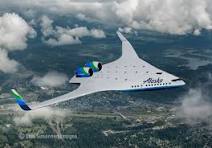
Electric aviation technology may transform the sport in the coming decades.
Internal Links (For Your Website)
You can link to other pages such as:
- Ultimate Guide to Racing Aircraft Engines
- Top 10 Fastest Racing Airplanes
- History of Air Racing Technology
- Aerobatic Aircraft Explained
Example internal link:
Read our guide: “Top 10 Fastest Racing Airplanes in the World.”
External Links (Authority Sources)
For credibility, link to trusted aviation websites:
- Fédération Aéronautique Internationale
- National Aeronautics and Space Administration
- Official aviation event websites
Suggested Images for Your Website
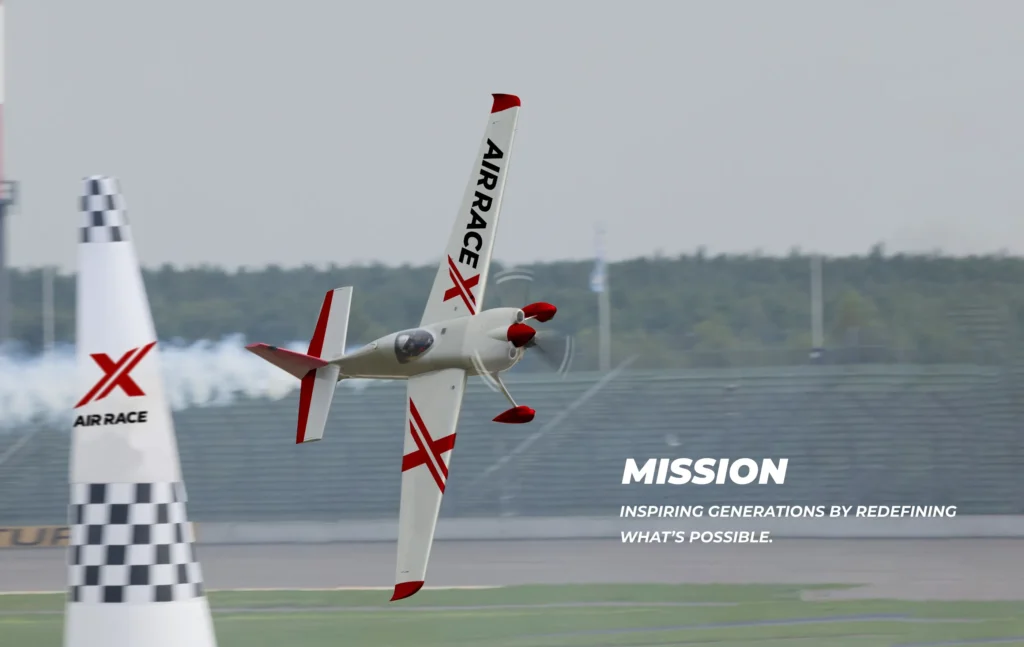
Air Racing Event
Racing Aircraft
Use images showing:
- Air racing courses
- Aerobatic racing aircraft
- Pilot cockpit views
- Racing planes turning around pylons
✅ If you want, I can also give you:
Fact 1: Air Racing Began Over 100 Years Ago
Air racing started shortly after the first powered flights. Early aviators wanted to demonstrate the speed and capability of their aircraft.
One of the earliest famous competitions was the Schneider Trophy, which encouraged the development of faster and more advanced aircraft during the early 20th century.
These early competitions played a major role in the evolution of modern aviation technology.
Fact 2: Air Racing Aircraft Are Built for Extreme Speed
Unlike standard airplanes, racing aircraft are specifically designed for maximum aerodynamic efficiency.
Important design features include:
- Slim fuselages
- Short wings for agility
- Powerful piston engines
- Lightweight materials
Some racing planes can reach speeds of over 500 km/h (310 mph).
Fact 3: Racing Aircraft Use Advanced Aerodynamics
Aerodynamics plays a crucial role in aviation racing.
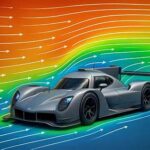
Engineers design aircraft to minimize drag and maximize speed. Smooth surfaces, streamlined wings, and efficient propellers allow these aircraft to cut through the air with minimal resistance.
Modern racing aircraft also use computer simulations and wind-tunnel testing to improve performance.
Fact 4: Air Racing Pilots Are Among the Most Skilled Aviators
Flying a racing aircraft requires extraordinary skill and experience.
Pilots must:
- Maintain precise flight paths
- Make split-second decisions
- Handle extreme G-forces
- Fly at very low altitudes
Many professional air racing pilots are former military pilots or experienced aerobatic pilots.
Fact 5: Air Racing Courses Are Extremely Challenging
Air racing courses are designed to test both pilot skill and aircraft performance.
Typical course elements include:
- Tight turns around pylons
- Vertical gates
- Narrow racing corridors
- Low-altitude flying sections
Pilots must navigate these obstacles while maintaining maximum speed.
Fact 6: Pylon Racing Is One of the Most Popular Air Racing Formats
In pylon racing, pilots fly around tall markers called pylons placed on a closed course.
The Reno Air Races is famous for this format.
Aircraft compete head-to-head, and the fastest pilot to complete the course wins.
Fact 7: Some Racing Aircraft Are Modified Warbirds
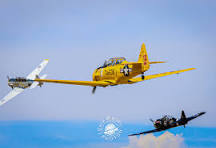
Many vintage military aircraft have been modified for racing competitions.
One famous example is the North American P-51 Mustang.
These powerful fighter planes were originally built for combat but now compete in air racing events after extensive modifications.
Fact 8: Aerobatic Aircraft Are Used in Modern Air Racing
Modern air racing competitions often use aerobatic aircraft.
Examples include:
- Zivko Edge 540
- Extra 330LX
These planes are capable of extreme maneuverability and rapid acceleration.
Fact 9: Air Racing Requires Strict Safety Regulations
Because air racing involves high speeds and low-altitude flying, safety is extremely important.
Organizations like the Fédération Aéronautique Internationale regulate air racing competitions.
Safety measures include:
- Pilot qualification requirements
- Aircraft inspections
- Controlled racing environments
- Emergency response teams
Fact 10: Air Racing Events Attract Global Audiences
Air racing competitions attract spectators from around the world.
Large events can draw hundreds of thousands of visitors, while millions more watch online or on television.
The excitement of watching aircraft fly at extreme speeds makes air racing a thrilling spectator sport.
Fact 11: Technology Developed for Air Racing Improves Aviation
Air racing has historically contributed to advances in aviation technology.
Innovations include:
- More powerful engines
- Improved aerodynamics
- Advanced propeller design
- Lightweight aircraft materials
Many of these technologies later influenced commercial and military aviation.
Fact 12: Racing Aircraft Are Surprisingly Small
Most racing aircraft are smaller than commercial airplanes.
Smaller size allows them to be:
- Faster
- More maneuverable
- More efficient in tight racing courses
Their compact design is ideal for competitive air racing.
Fact 13: Air Racing Pilots Experience High G-Forces
During sharp turns and high-speed maneuvers, pilots can experience extreme G-forces.
These forces can reach levels similar to those experienced by fighter pilots.
Pilots undergo special training to handle these conditions safely.
Fact 14: Air Racing Continues to Evolve
The future of aviation racing sports may include:
- Electric racing aircraft
- Hybrid propulsion systems
- Advanced AI-assisted flight technology
These innovations could make the sport faster and more environmentally friendly.
Fact 15: Aviation Racing Inspires Future Pilots and Engineers
Air racing inspires young people to pursue careers in:
- Aviation
- Aerospace engineering
- Aerodynamics
- Aircraft design
The excitement of air racing helps promote interest in aviation worldwide.